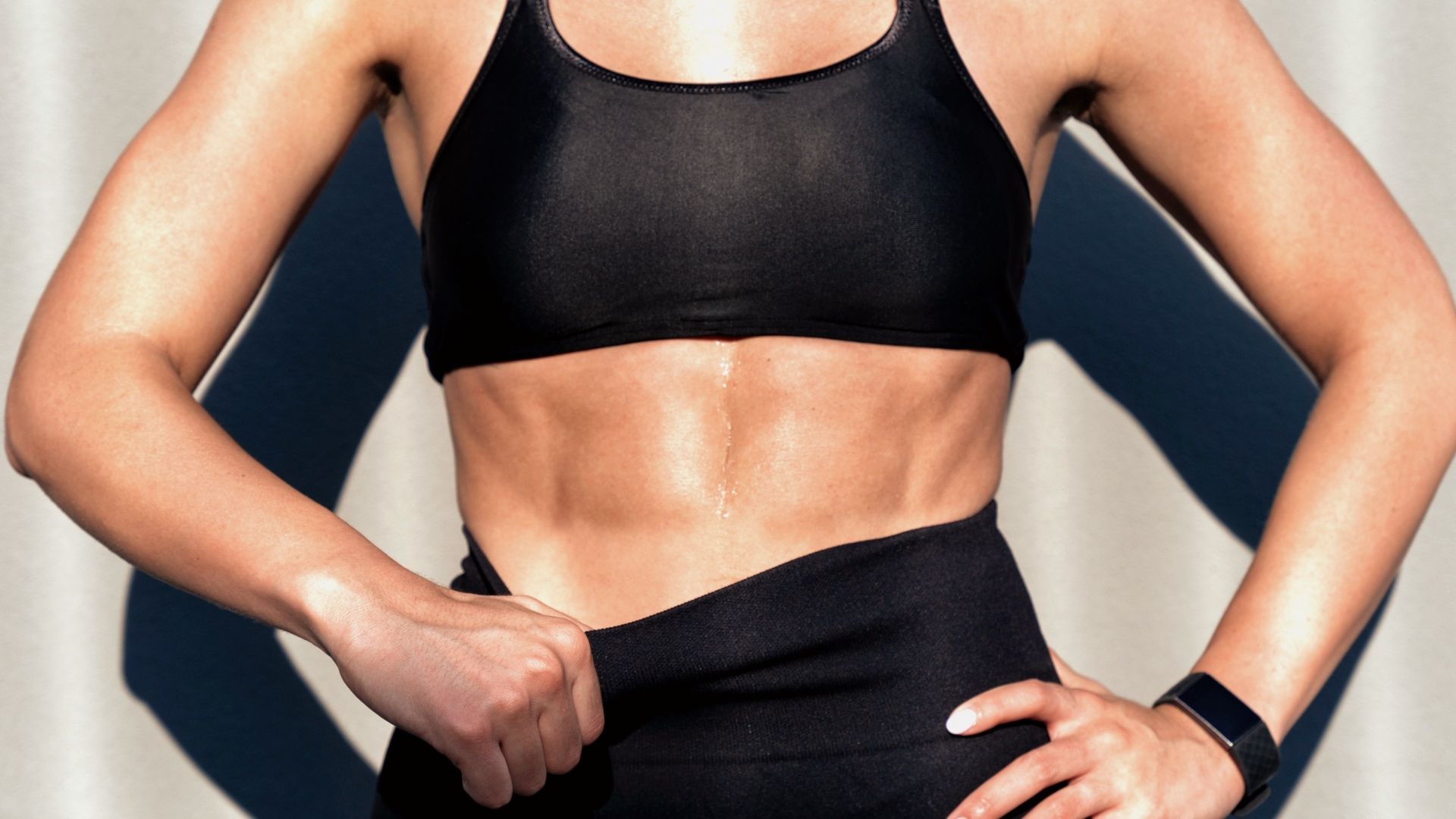
The best plank variations depend on you and your body, but of all the ones I've tried over the years, the gymnastics plank is still my favorite for building stability, endurance, and strength. It doesn’t just strengthen your core; it also works your shoulders, arms, wrists, quads, hips and glutes.
I've been including them in place of standard planks for a few months now, especially for my clients over 50 who want to build a strong core and reduce back pain. Here's how to do it, and why I recommend giving it a shot next time you hit the gym.
One of the best yoga mats is handy but not essential. Follow these steps:
I recommend trying for a 20-second hold and building from there. Slightly tucking your hips and pushing through your upper back will help you create the hollow shape through your upper body.
You’ll feel your forearms and wrists working a lot harder; if this causes pain, drop to your elbows or stop completely. It may feel uncomfortable and challenging, but it shouldn't be painful.
Gymnastics exercises focus on building functional strength and require a strong and stable core. They also build relative strength and power, and many "holding" exercises like planks, hollow holds, or handstands require endurance, stability and balance using isometric contraction, meaning your muscles are neither shortening nor lengthening.
Like a regular plank, the exercise is a full-body one, but for this variation in particular, focus on consciously contracting as many muscles as you can, especially the three Bs: belly, butt, back.
Source link