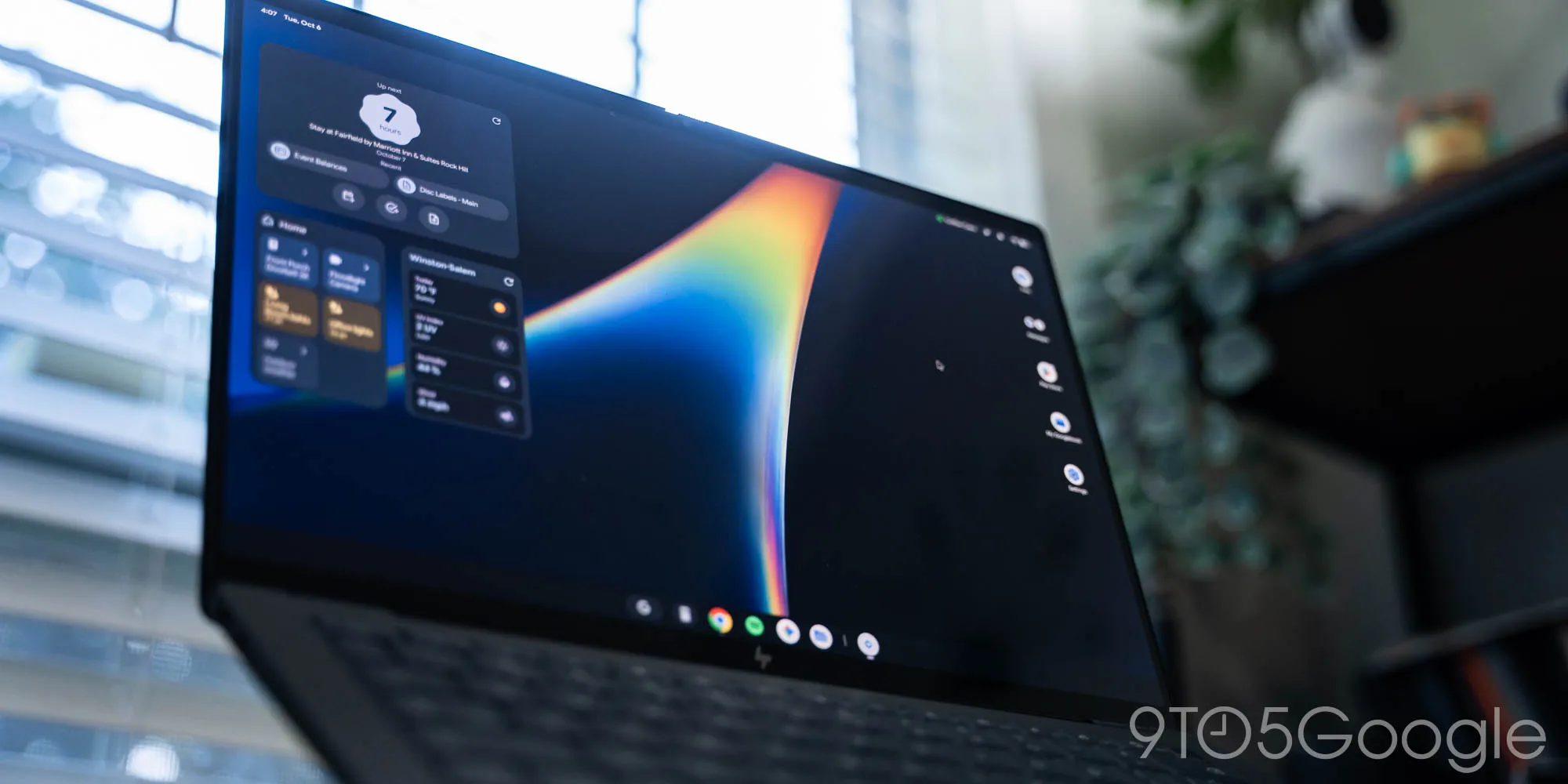
Let’s not pretend; if you weren’t sold on a Chromebook, Googlebook isn’t for you either.
In our review of Googlebook as a platform, Abner Li explains how this platform sets a foundation for a potentially fascinating future. But, even from that viewpoint, it’s hard to ignore the shortcomings. Between the app gap and plenty of overlooked mistakes throughout the OS, Googlebook is far from a “finished” product.
In many ways, it continues to resemble what it’s replacing, ChromeOS, and that’s not going to leave the best impression for everyone.
Chromebook launched to a market starved of capable and reliable cheap laptops, and at a time where even higher-end machines were inherently compromised. Better battery life, no virus protection, simpler setup, price, take your pick, a Chromebook was a genuinely good choice for quite a while. But, as time went on, that math started to shift away from Google’s favor. I’d argue that it’s harder to find a bad laptop than it is a good one now, and there are good options on every price point, whether you’re looking at Windows or a MacBook. There’s an abundance of fully-capable Windows machines with long battery life and plenty of power, and frankly, the MacBook Air is $1,099.
With that in mind, Googlebook’s inherent similarities to ChromeOS betray any progress it might have made.
Under the hood, the new Android base is a much better foundation for the years to come. On the surface, where the users are, Googlebook hasn’t addressed any of the issues ChromeOS was dealing with, at least from a functional level.
Source link