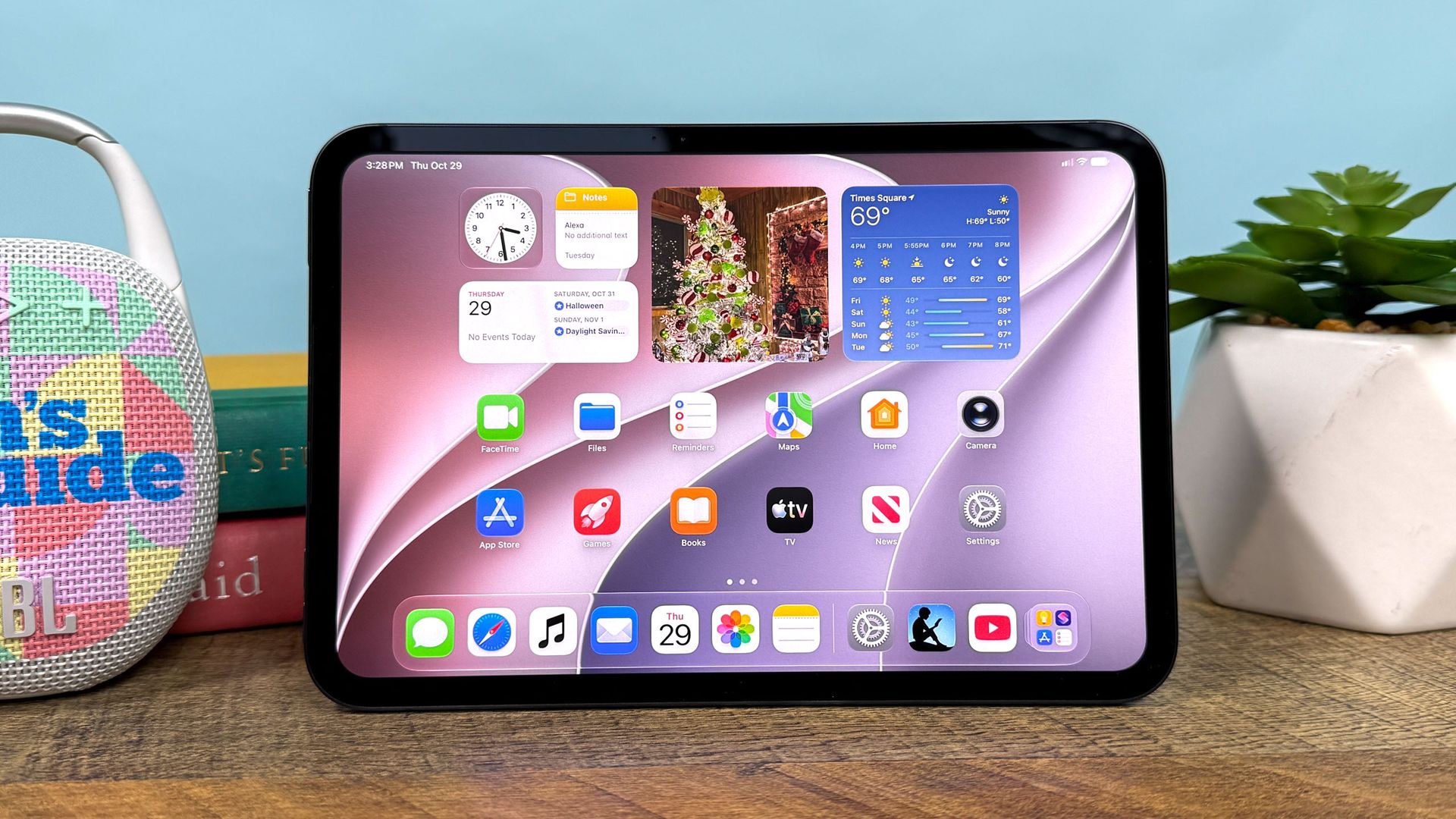
I recently called out Apple’s new “why not” era under CEO John Ternus — a chaotic, experimental chapter bringing us the $2,000 iPhone Duo and $3,000 touchscreen MacBook Pros. Well, the iPad mini 8 just arrived, and it perfectly encapsulates the dark side of this new philosophy.
I just finished reading Tony Polanco’s review of the new mini, and I completely agree with his assessment: it is a stunning piece of hardware. That new OLED panel is a visual marvel, the IP67 water resistance is a massive structural win, and it is undeniably one of the most capable tablets Apple has ever made.
And then, I looked at the pricing ladder, and realized it revealed something grave. The iPad mini 8 is proof that Apple’s “budget” tier is officially dead, replaced by sneaky paywalls, binned silicon and a display refresh rate that would have been considered “old” back in 2018.
By stuffing flagship features into a smaller chassis, compromising weirdly in some areas and passing the skyrocketing component costs directly to you, the message is clear: buying into the Apple ecosystem today comes with a pro tax.
If the $699 starting price wasn’t concerningly high enough, Apple has incorporated tantalizing silicon upgrades into its price ladder.
In all the marketing, the Cupertino crew boasts that the new mini is powered by the 2nm A20 Pro chip from the iPhone 18 Pro/Pro Max and Duo. But what you don’t see until you actually head to the shop is that if you buy the base model, you aren’t actually getting the full chip.
Source link