
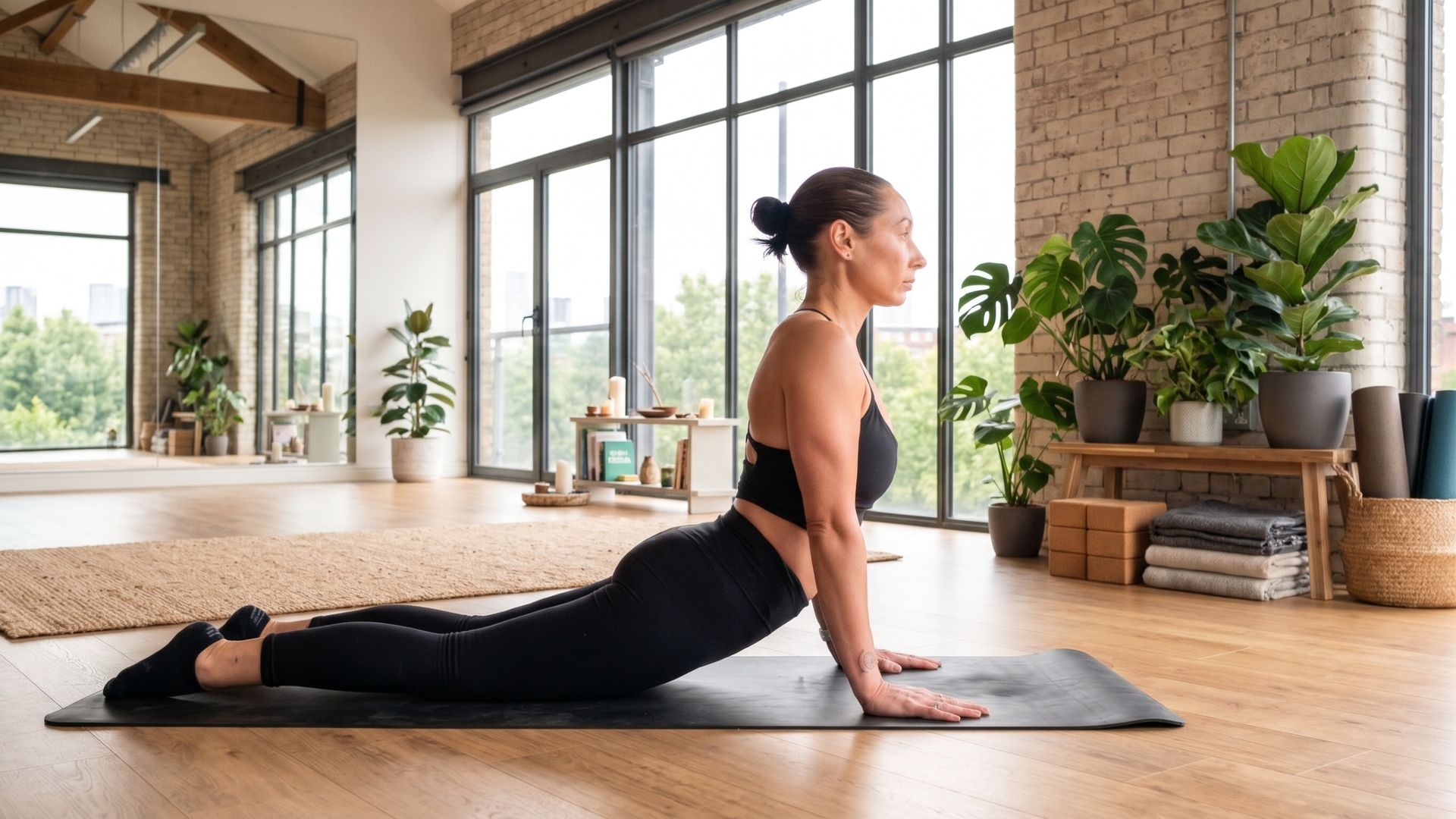
If you haven't heard of "micromovement" routines, it's like exercise snacking, where you break up sedentary time with mini workouts or chunks of movement, like walks, bodyweight routines, or even a quick jog.
According to research from Yoga-Go, you may add eight years to your biological age if you spend a lot of time sitting, which can be eight hours a day or more, regardless of whether you still exercise daily.
Determined to start my day on the right foot, I decided to add a seven-minute bodyweight workout to my mornings, and this is what I did and didn't notice after 30 days.
The decision to stand rather than sit or to take the stairs over the escalator determines how much movement you fit into your day and how much energy you burn outside of workouts, also known as Non-Exercise Activity Thermogenesis, or NEAT.
Just because you fit a 45-minute HIIT workout into your day doesn't undo the impact of accumulated sitting time, so how often you get up and move about really does matter for your long-term health.
The movements below can help maintain functional strength, relieve stress, combat sedentary time, and move your muscles and joints, which increases oxygen-rich blood flow around the body.
I love functional compound bodyweight exercises because they target the main muscle groups in your body and they can still feel challenging. If you're short on time and just want to get some movement in while you can, 60 seconds of each move performed back-to-back gives you a seven-minute full-body workout before you've even brushed your teeth in the morning.
Source link





