When Microsoft introduced its new Surface lineup at Snapdragon Summit, attention naturally gravitated toward the silicon and the screens. I mean it did to me — fawning over the new Surface Pro and Surface Laptop armed with Snapdragon X2 Plus.
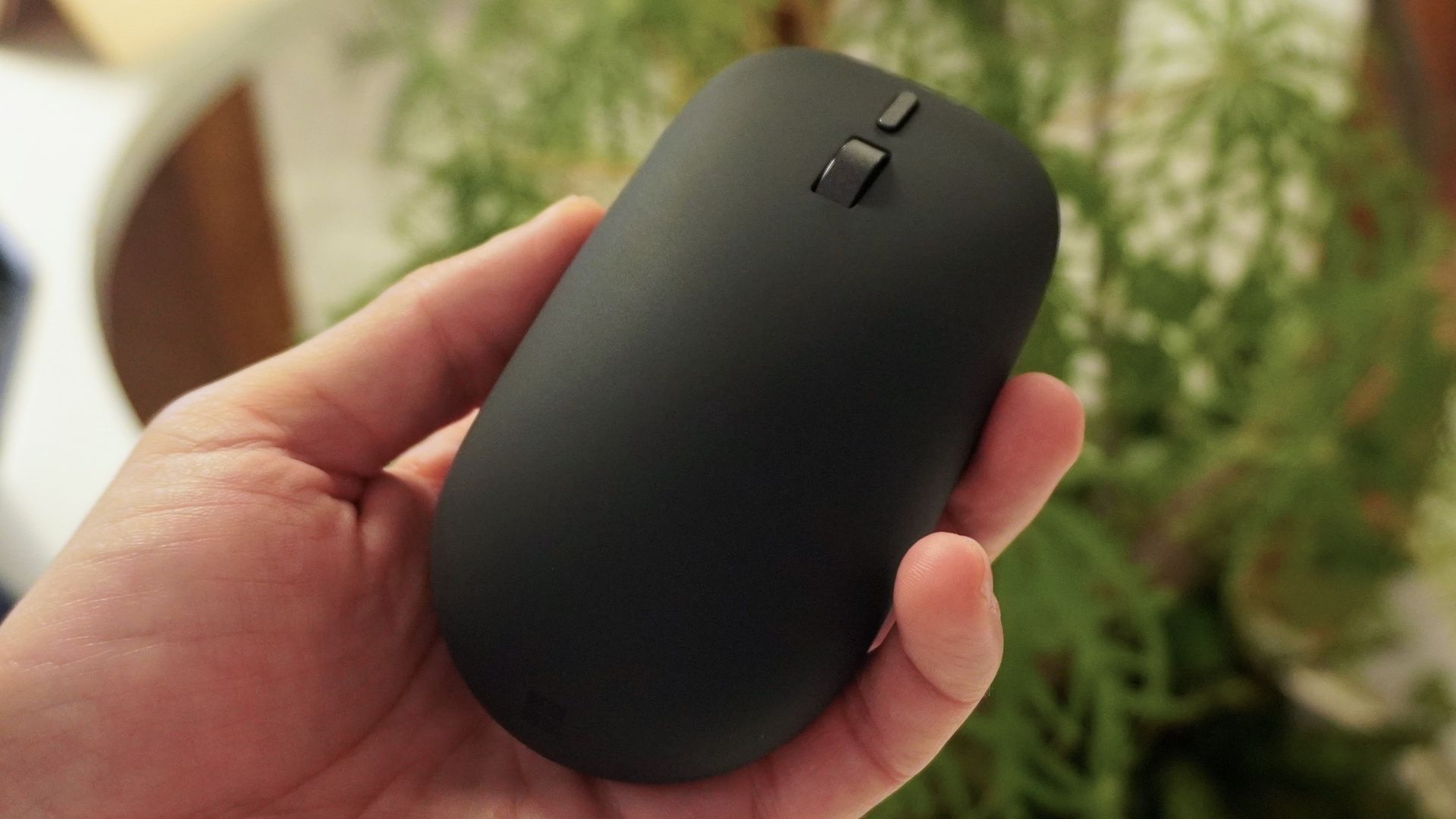
But yet, the quietest peripheral on the table — the redesigned $79 Surface Mouse — might be the most significant announcement of them all.
Beyond its 30% recycled chassis, ambidextrous silhouette and dedicated action button, the standout feature is that the integrated haptic feedback can actually communicate with you as you work.
For decades, the computer mouse has been an entirely one-way transmission line: your hand clicks or drags, and your eyes watch the screen to confirm the result. Trackpads have experimented with haptics to mimic mechanical switches, but standalone desktop mice have largely remained hollow plastic shells with rigid microswitches.
The Surface Mouse turns that input into a two-way conversation in some small but significant ways:
Haptic feedback in a mouse sounds gimmicky on a spec sheet. I’ve seen it before in the Logitech MX Master 4, and while it feels good, it doesn’t really do anything.
But in real-world productivity workflows, the Surface Mouse is transformative. It offloads visual verification to your fingertips, shaving seconds off repetitive alignment tasks.
That Copilot key may grab the headlines, but the tactile dialogue inside the Surface Mouse is the game changer here.
Source link