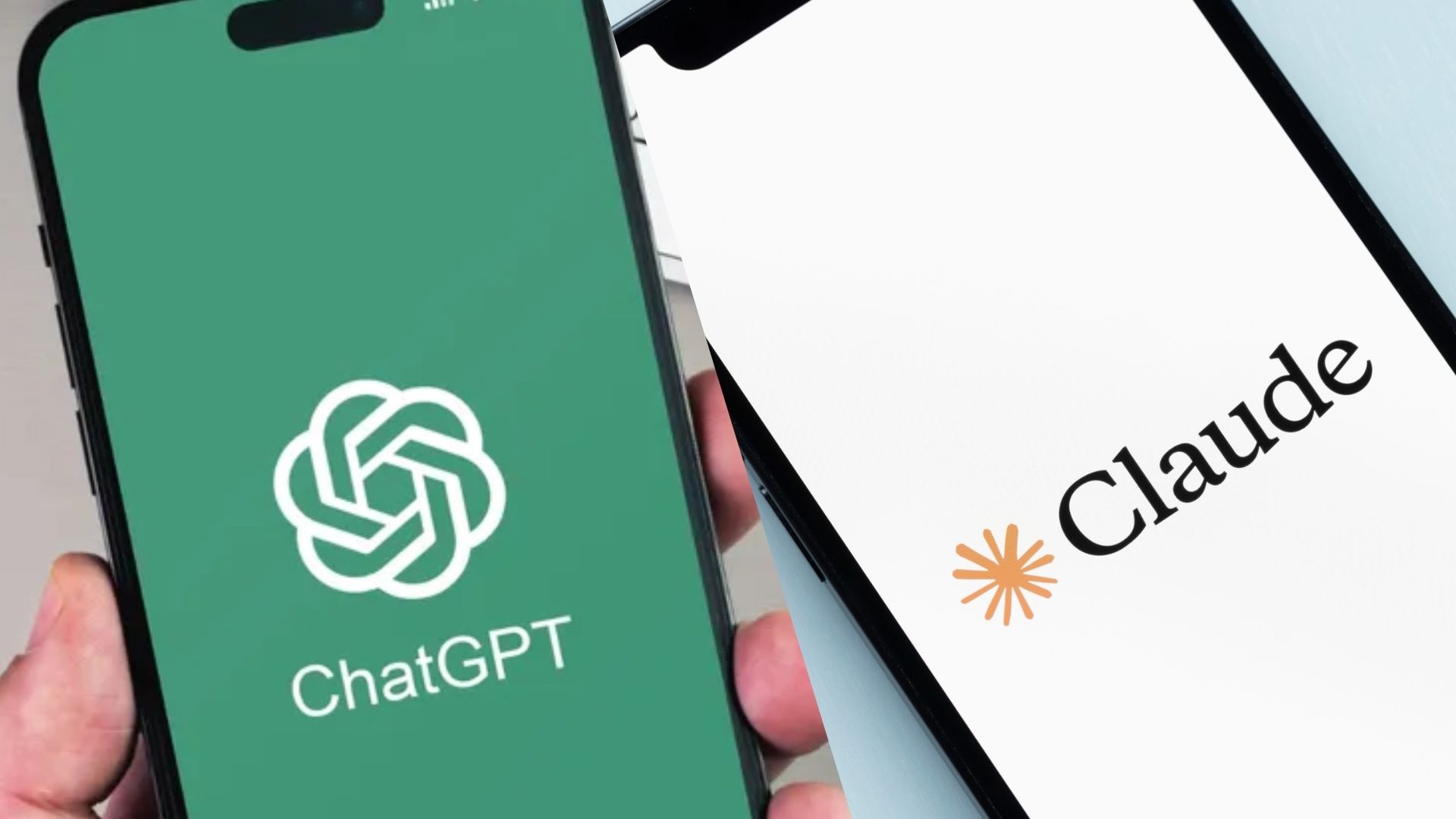
OpenAI and Anthropic both released new flagship AI models this month, ChatGPT-6 and Claude Opus 5.5. Both are ridiculously capable to the point that they do so much more than what most users prompt them to.
OpenAI's GPT-6 family builds on GPT-6 Astra, the company's most impressive model yet, with major gains in areas including reasoning, professional work, coding, browsing and computer use. The newer GPT-6 Sol brings much of that intelligence into the version designed for everyday work, with OpenAI positioning it as a faster and more affordable reasoning model.
Claude Opus 5.5 comes at the problem from a slightly different direction. Anthropic describes it as a model built for long-running agentic and knowledge work, with adaptive thinking that determines how much effort a request needs. It has a 1 million-token context window, can produce up to 128,000 output tokens and, according to Anthropic, reaches roughly the same performance as its higher-end Claude Fable 5.1 on most tasks while costing 40% less to run than the previous Opus. Anthropic has also specifically highlighted improvements to how naturally the model communicates and follows writing instructions.
Those differences sound impressive, but they don't necessarily tell you which chatbot you'd rather have helping you in real life.
So I gave ChatGPT-6 and Claude Opus 5.5 the exact same five prompts. The result wasn't the clean sweep I expected. Here's what happened when I put them through every day prompts.
Prompt: I have $150 to plan a birthday party for 10 kids ages 8–11.
Source link