
Your usual array of AI slop isn’t just relegated to fake images of celebrities, altered historical figures, posters for films that don’t exist and cats in a boxing pose.
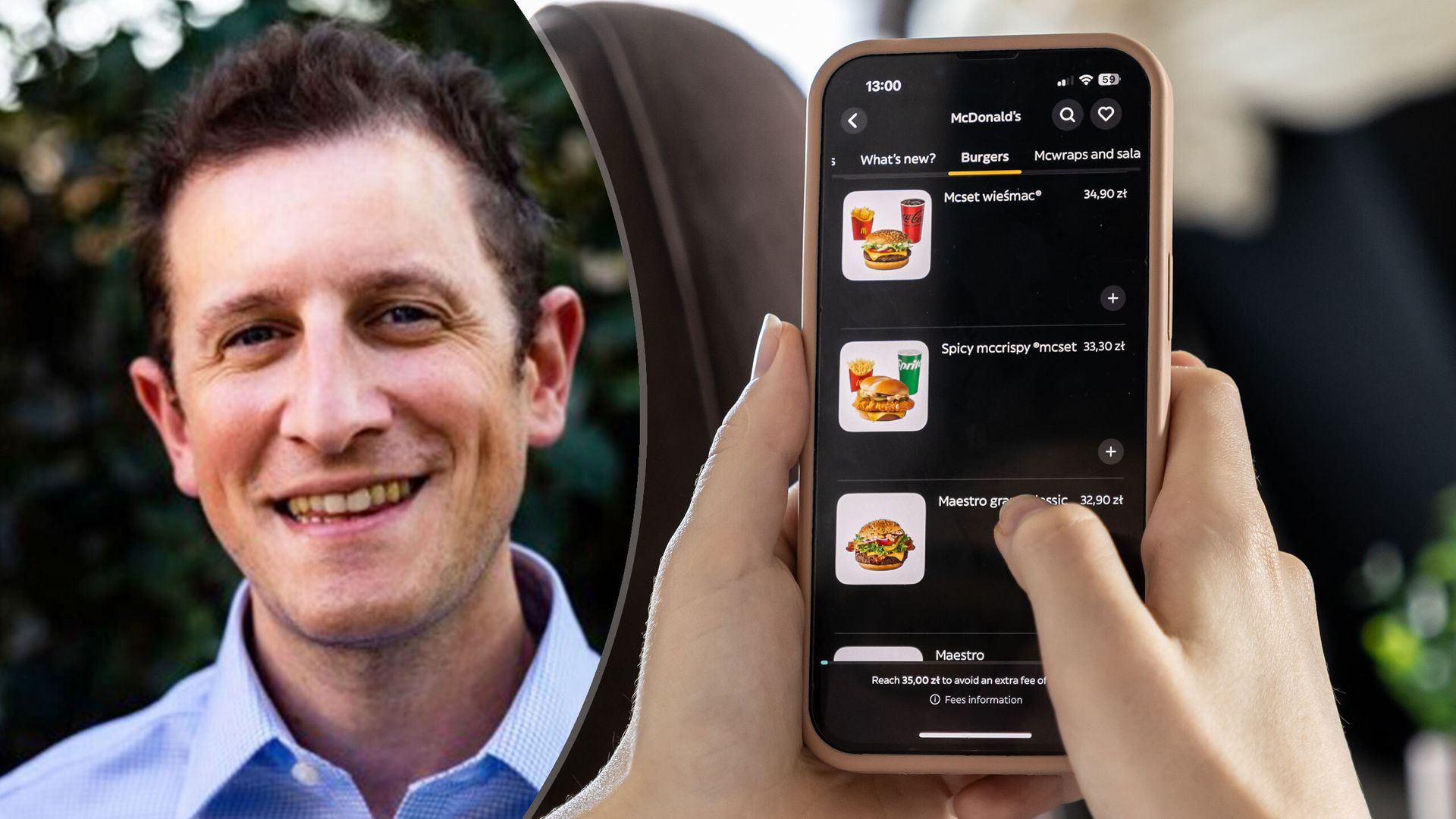
Unappealing AI-generated pictures also litter your favorite eating establishments. It’s become all too common to walk past your local diner, bakery, bodega, etc. and lock eyes with an advertisement that makes their food look a bit odd and (even worse) disgusting. We’ve even reached a point where some restaurants are turning to AI-generated images that may look more realistic than their off-putting counterparts, but may create expectations for their customers that the actual dish doesn’t fulfill.
That problem goes beyond just someone being given a disappointing burger that looks nothing like what they saw on a menu — inaccurate AI food images could misrepresent ingredients, portion sizes and possibly leave customers with food allergies questioning whether a meal is safe to eat.
To find out how AI is changing the way restaurants showcase their food, I spoke with Michael Bortinger, Director of Marketing & Partnerships at Tastewise, an AI-powered food and beverage intelligence platform. He also delved into why convincing AI food images could be more misleading than obviously fake ones, what restaurants should do to make sure the pictures customers see reflect the food they actually serve and more.
A burger with three patties floating beside it would be posted online and laughed at, but nobody would genuinely expect to receive it.
It’s much riskier if the output is believable because it can set an unrealistic expectation in the customer’s mind.
Source link





