
This was supposed to make me happier. I felt more isolated instead.
True happiness may seem a little hard to come by these days. We’ve got to balance our budgets with the tantalizing prospects of shiny new iPhones, stay on top of seemingly endless work tasks and surf the turbulent waves of wild news cycles.
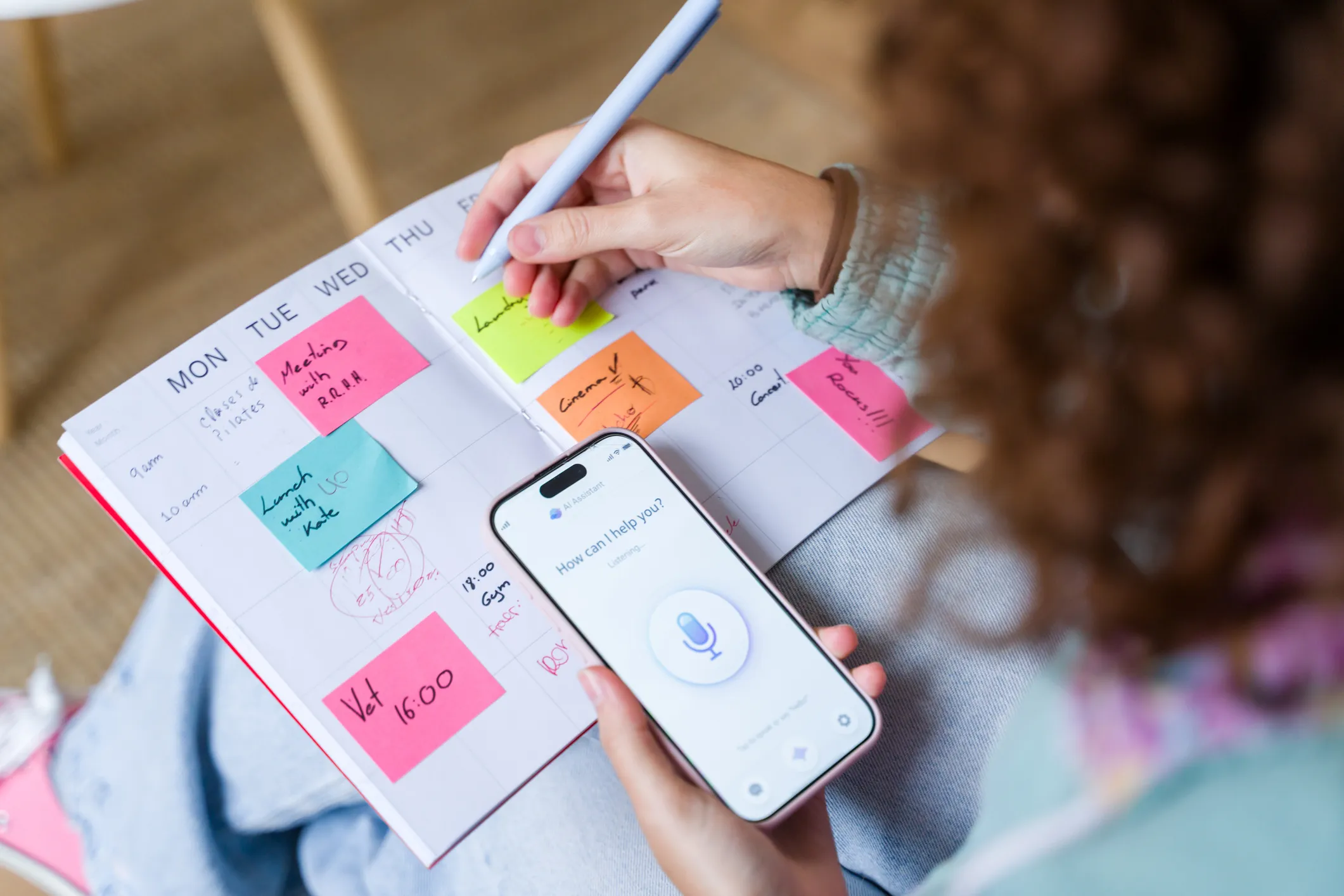
What might be bliss for one person could feel like an exercise in tedium for another. I put three AI tools — ChatGPT, Google Gemini and Claude AI — to the test to see if they could curate two days filled with hour-by-hour happiness for me. The results revealed a fundamental misunderstanding of what it means for this particular human to be happy.
I used a single prompt for each tool: Plan my life, by the hour, for the next two days. Be very detailed and plan everything I should do from the time I wake up, including when I should wake up, to the time I go to bed. Optimize for happiness.
All three AI tools I used had me waking up around 7 a.m., with Claude adding a 15-minute earlier rise and shine deadline to fill with stretching/yoga, gratitude journaling and a jaunt outdoors. By 9 a.m., all three had put me to work crafting a “real,” “substantial,” “vibrant” breakfast and tackling either creative projects or writing and researching for my gig here at CNET.
The consistent marker among the afternoon plans was a light, healthy lunch with plenty of veggies, followed by a 45-minute to hour-long walking session.
Source link





