
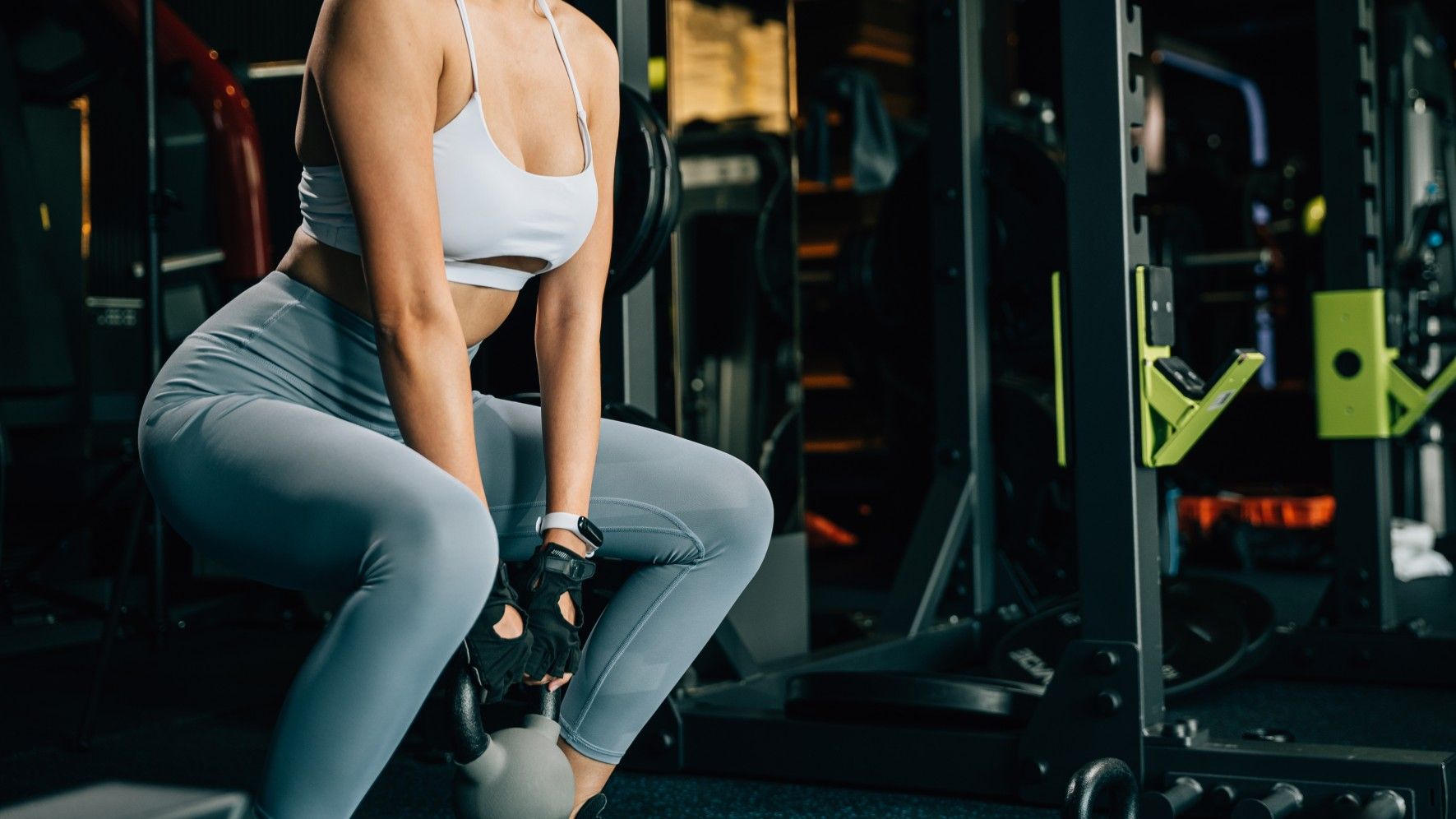
Slow, functional movement has become a staple of my workout routine; I love simple compound exercises I can repeat several times a week and progressively overload to keep my muscles guessing.
The move I've been practicing a lot recently, until abdominal surgery demoted me to very, very little movement for a while, is the kettlebell elevated sumo squat. Below, I explain the benefits, how to do it and what it looks like in action.
If I can give you one word of advice before we get started, it's to take this one really slowly and focus on the depth of your squat using a heavy kettlebell. Grab one of the best kettlebells, and let's get started.
You'll feel the sumo squat, which basically refers to a wide-legged squat, in your adductors (inner thighs) and gluteus medius (outer glutes), core, hips and legs, including your quads and hamstrings.
If you want to increase the intensity on your legs and glutes, load heavy so that the last few reps feel very challenging to finish. Focus on pressing through your feet and legs to drive upward to stand.
If you experience pain at any time, stop and rest. If you're working with an injury or health condition, I recommend seeking advice before starting new exercises.
The goal is to engage your core and lower for a three or four second count, then drive up for one powerful push. Keep your chest proud and back straight throughout and focus on sitting your hips back.
Source link





