Huawei Technologies is exploring a new high-bandwidth memory (HBM) design that could help China reduce its dependence on foreign suppliers of a critical semiconductor component used in advanced computing systems.
Researchers at the Chinese technology giant have developed an HBM architecture featuring twice the data-pin density of products currently mass-produced by South Korean chipmakers Samsung Electronics and SK Hynix, according to a research paper scheduled for presentation in February 2027.
The development, first reported by Bloomberg, points to Huawei’s efforts to enter a memory segment dominated by Samsung, SK Hynix and US-based Micron Technology.
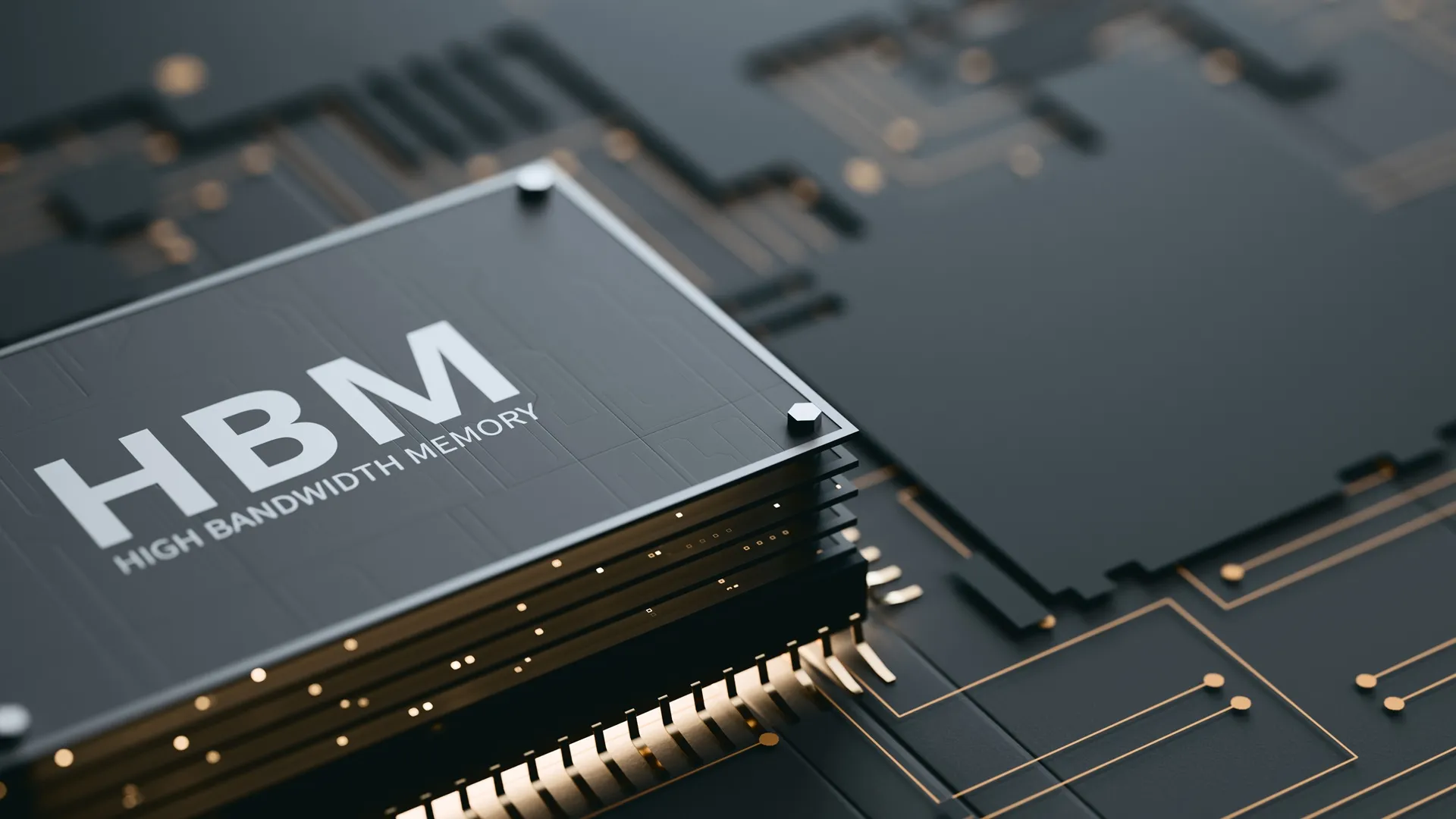
HBM is a specialized type of memory that stacks multiple DRAM dies vertically and connects them using thousands of tiny interconnects. Its architecture allows processors to access large volumes of data at high speeds while using less physical space than conventional memory modules.
The technology has become increasingly important for advanced processors powering large-scale computing workloads, where moving data quickly between memory and processing units is essential.
The key feature of Huawei’s reported design is its data-pin density. Doubling the density could theoretically allow more data to move between memory and processors simultaneously, significantly increasing available memory bandwidth.
Higher bandwidth is particularly important for advanced computing accelerators, which require rapid access to large datasets during processing. Memory bottlenecks can limit the performance of even powerful processors, making HBM a critical part of modern semiconductor systems.
However, the reported design should not be confused with a commercially ready memory product. It remains unclear how far Huawei has progressed toward manufacturing the technology or whether it can translate the proposed architecture into a working chip.
Source link