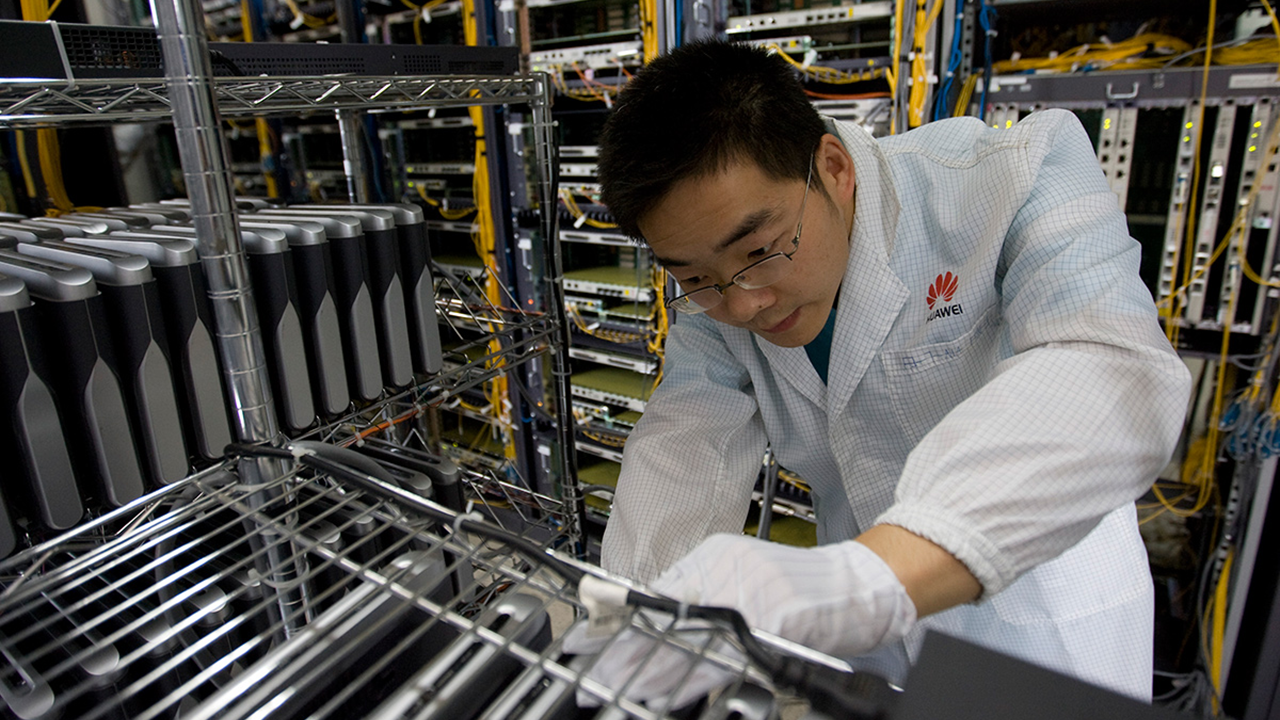
Huawei has introduced its first desktop PCs powered by its own 10-core processor as well as proprietary HarmonyOS operating system, reports the Southern China Morning Post. The company claims that the CPU and the OS are built entirely of using 'components manufactured' in China, which matters when it comes national security and domestic supply chains inside the sanctioned country. But whether these machines are truly 'entirely domestic' is an open question.
The Huawei Qinyun HM650 and HM650g desktop PCs come with 16 GB of LPDDR5 memory (probably made by China's CXMT) and either a 256GB or 512GB SSD (probably made by Chinese flash maker YMTC) are powered by the company's Kirin X90 system-on-chip, which originally debuted in Huawei's consumer systems in 2025. The key ingedient of the system it its processor, which features 10 Huawei-designed Armv8-based Taishan CPU cores in a 4+4+2 configuration, with all cores supporting simultaneous multithreading (SMT) to execute up to 20 threads simultameusly. The chip also integrates Huawei's Maleoon graphics processing unit (Arm Mali-based) and a dedicated neural processing unit for AI workloads.
Although Huawei doesn't officially disclose the Kirin X90's manufacturing process, a teardown analysis by TechInsights confirmed that the CPU is manufactured by SMIC using its 7nm-class N+2 process technology. This makes the X90 an example of Huawei's ability to develop PC-class processors using domestically available semiconductor manufacturing capabilities, albeit on a process technology that trails leading-edge nodes from Intel, TSMC, and Samsung.
The most interesting aspect of the Qinyun HM650 series is certainly Huawei's claim that all of its new system's components, including the processor, memory, storage, power supply, and wireless connectivity are manufactured domestically.
Source link