Dirt can cut solar output, but cleaning only pays off when the numbers make sense.
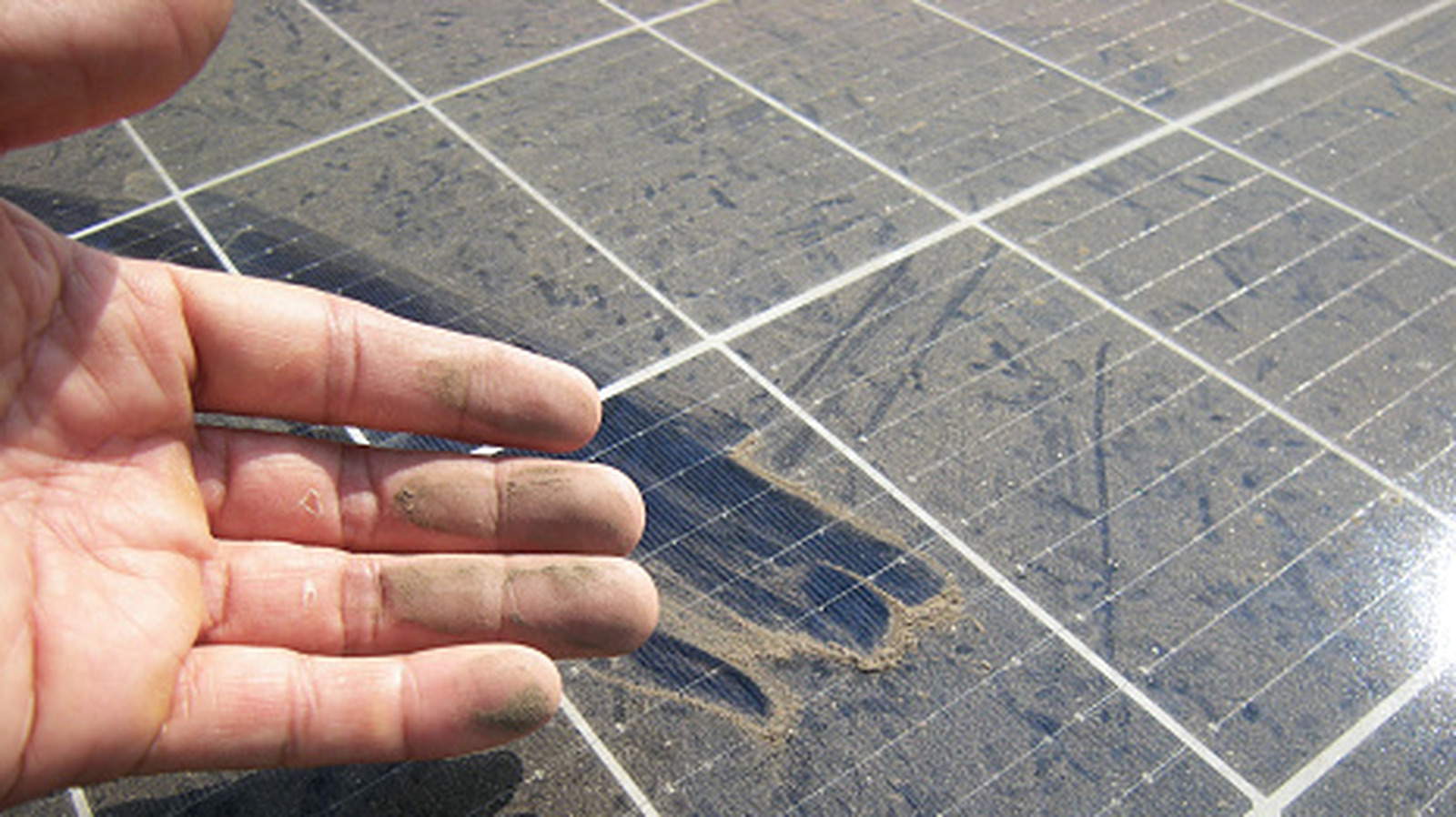
Solar panels are outside for the duration of their working life, so it's optimistic to think they will remain spotless. Dust, pollen, bird droppings and sometimes a layer of mystery grime will build up on the glass — and if enough of it accumulates, the amount of sunlight reaching the cells below does get affected.
Not all roofs that are a little dusty require an emergency wash. The amount of cleaning that is necessary is highly dependent on the location, amount of rainfall, angle of the panels and what is on the panels. The bigger concern is cleaning them badly. Scratches on the coating, hard-water deposits and a zealous pressure washer can result in an even more costly issue than the dirt you began with.
The power loss of dirty panels is not a fixed number. According to the IEA Photovoltaic Power Systems Programme, soiling is responsible for approximately four to seven percent of global PV energy losses, and an NREL study revealed that pollen reduced energy production by up to 15 percent at several solar energy sites in North Carolina. Rain wasn't enough to completely fix it either, with wet mechanical cleaning improving performance by five to 11 percent.
Real-world results can be all over the place. 4% following cleaning. Another Tesla rooftop array owner reported a much bigger improvement, but this one was partly based on projected output rather than a comparable control setup.
Source link