
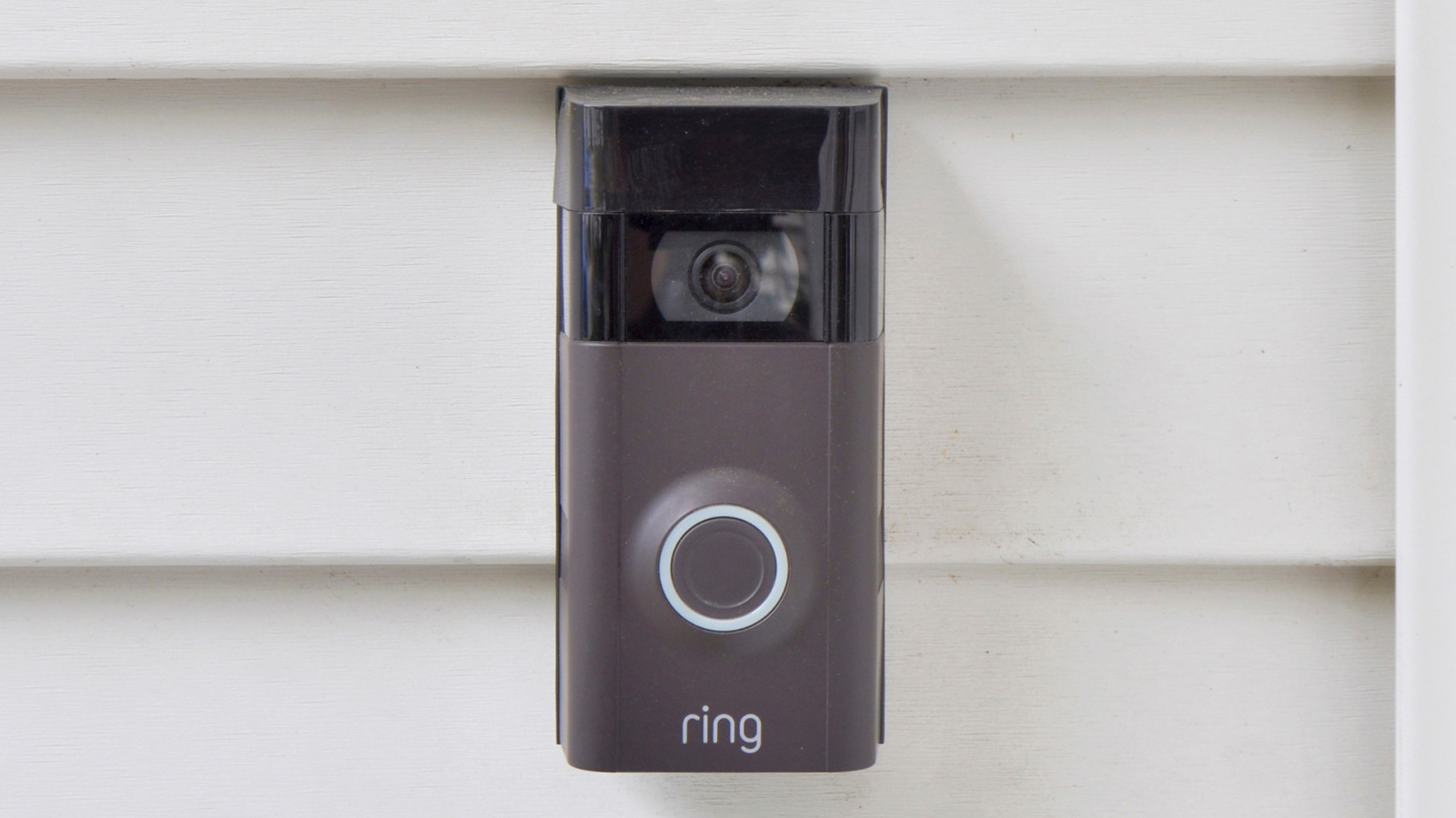
Simply putting the camera on your front door may not be enough.
Let's be blunt here. There are good reasons to skip Ring for your home security, from ongoing privacy concerns to some key features relying on a subscription. At the same time, it remains the most practical security platform for a lot of people, at least in the US. That's especially true if your smart home platform of choice is Alexa, which is likewise owned by Amazon.
If you are going to use Ring, it's vital to maximize your setup's efficiency. Some of the company's products can be costly, and your goal here is to deter and record intruders (although you'll need a Ring subscription to do this), not just maintain an illusion of security. If that's all you care about, you might as well slap a few ADT stickers on your home along with a "Beware of Dog" sign.
Efficiency isn't about covering the widest area — it's about thinking like a thief, yet spending as little as possible for the results you need. You also need to be concerned about minimizing false alerts.
Your first consideration should be capturing all possible points of entry — and we mean all of them. Don't just position cameras over your doorways. If you've got a side alley, for example, it's possible that an intruder could climb a fence and break in without ever appearing on your door-based video feeds. Give your outdoor cameras overlapping views when possible, and make sure they're installed around 9 feet high, excluding doorbells.
Source link





