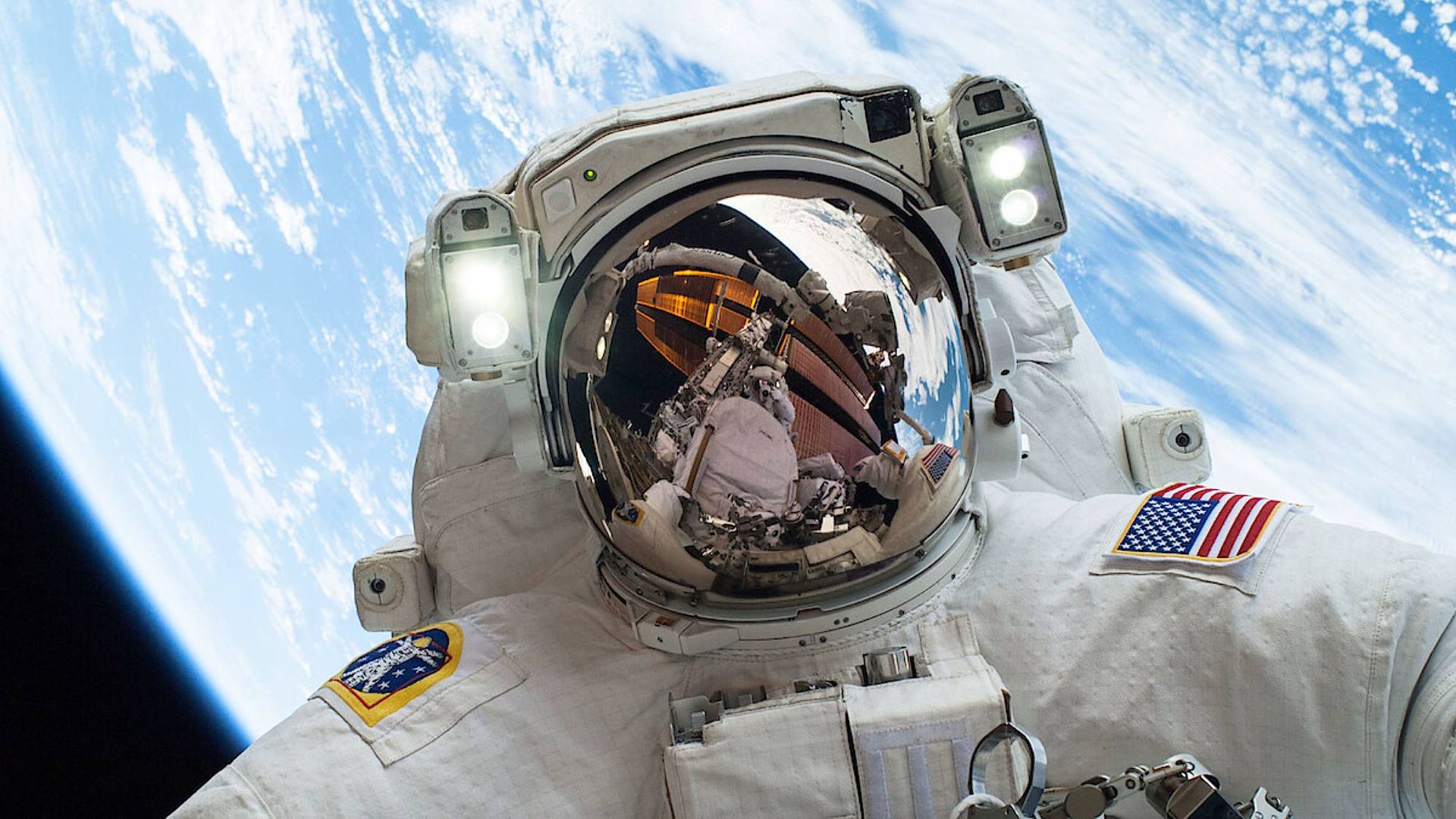
NASA has formally opened applications for its next generation of astronaut candidates, kicking off a recruitment window aimed squarely at returning humans to the lunar surface, building an enduring presence at the Moon Base, and preparing for the first crewed expeditions to Mars.
With the agency's active astronaut corps currently standing at just 32 members, the newly selected class will step into rigorous training for spacewalking, lunar geology, and high-performance flight.
Here is a full breakdown of the eligibility criteria, experience thresholds, and how to submit your application before the December deadline.
Getting on NASA’s astronaut short-list is about having the right resume. You need U.S. citizenship and serious technical firepower. That usually means a master’s degree in a STEM field like engineering, computer science, or the hard sciences.
NASA also leaves the door open for high-level alternatives: two years into a technical PhD, a completed medical degree (like an MD, DO, PA, or DNP), or a diploma from a nationally recognized test pilot school paired with a STEM bachelor’s.
Once the degree is handled, you have to prove you can perform under pressure. Applicants need at least three years of real-world career hustle (doctors can count their residency). For aviators, flight hours substitute for office time — specifically, 750 command hours in high-performance jets, 1,500 hours in other planes (with half in command), or 1,000 helicopter hours.
If your paper credentials clear the bar, there’s one last hurdle: surviving NASA’s exhaustive physical exam and proving you have the calm communication and teamwork chops to live in a tin can with five other people.
Source link