You don't have to do it frequently, but the old "turn it off and turn it on again" trick can come in handy for certain situations.
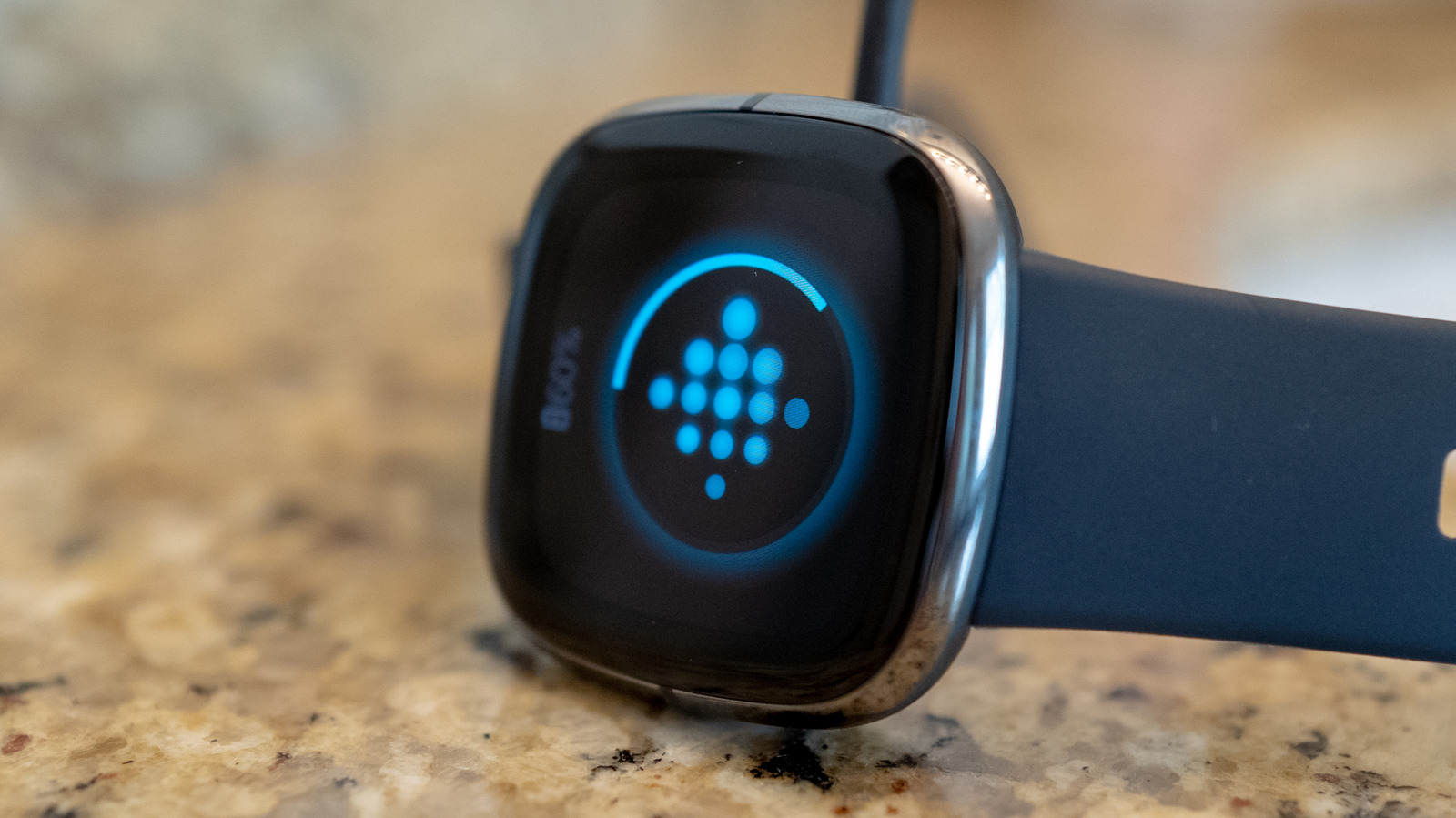
If your Fitbit is acting up, the first thing you might do is restart it. But is that a good idea? Rest assured, regularly restarting your Fitbit shouldn't do any harm to it. It's similar to restarting your laptop when it starts to lag or you run out of memory resources, or restarting your router because the connection is spotty or not working at all. There's a reason, after all, that two common IT fixes are to turn a device off and back on again or run a restart.
Restarting your Fitbit can often times fix whatever issue might be going on with the device. Maybe it's failing to sync to the app, or the screen is not responding, completely frozen. Maybe your swipes or taps aren't registering, there's a delay or it doesn't seem to be tracking stats properly. A restart might be all it needs to get it working perfectly again, and there's really no limit to how often you can do it. But there's no need to regularly restart a Fitbit unless there's a viable reason to do so.
Sometimes, devices need a kickstart because they've malfunctioned or lost a connection. Restarting is an important process to help troubleshoot an issue without losing any of your data. Just like when restarting an Apple Watch or other brand smartwatch or tracker, you want to restart instead of reset, since the latter deletes all your data.
Source link