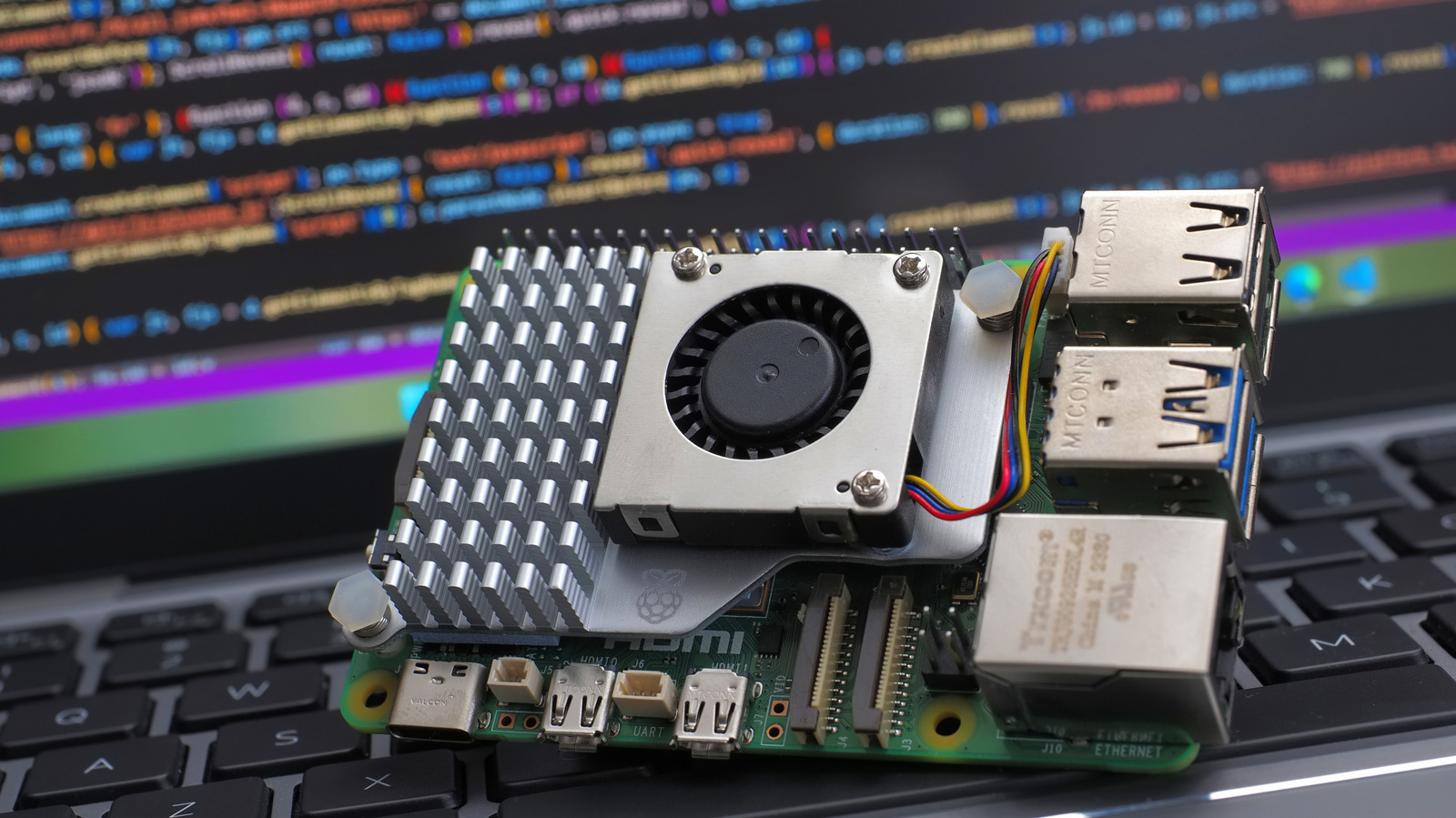
The Raspberry Pi has become the de facto option for single-board computers, thanks to its large community and growing library of online resources. The platform is capable of handling everything from light computing tasks to continuous server-esque deployments. My own home automation system ran off a Pi 3 stashed away in the closet for years. And even after I upgraded to a more powerful computer, I still use it for the occasional Raspberry Pi project.
Given the Raspberry Pi's versatility, you might be wondering how much memory you need. The Pi 5 specifically comes in five different versions, ranging from 1GB to 16GB of RAM. The choice matters more than a typical desktop PC too — you cannot upgrade the memory once you've taken delivery of it. At the same time, though, you could find yourself spending hundreds of dollars for extra RAM that you don't actually need.
You may recognize that most new laptops and PCs ship with at least 8GB of memory. The MacBook Air, for instance, includes 16GB of RAM in its base configuration and you can pay a few hundred dollars to upgrade that spec. Many higher-end laptops ship with 32GB of RAM too. Unless you have a specific use case, you probably won't actually need as much memory in a Raspberry Pi.
The difference between a typical computer and the Raspberry Pi is that the latter runs a much more lightweight operating system. Windows and macOS are designed to utilize available RAM, even when idling on the desktop with no additional programs running in the foreground.
Source link