

Apple’s Vision Pro was never going to be a big success right out of the gate. It wasn’t just the eye-watering $3,499 price—it was the headset’s reliance on highly advanced, low-yield OLED display panels from Sony, which could reportedly only be produced in quantities of under a million a year.
There was never a scenario in which the Vision Pro could have turned into the next iPhone, or even the next Apple Watch, overnight. Apple knew this when it released the product, but thought it was worth getting the platform out into the wild anyway.
That said, the company can’t be too pleased with the Vision Pro’s reception. Content for the headset has slowed to a trickle, and at no point since launch has it been difficult to find one in stock. A niche product designed to stoke excitement among early adopters and developers is one thing, but there’s little evidence that it’s succeeded even on that level.
That’s not to say anything bad about the Vision Pro’s quality—visionOS is a thoughtfully designed operating system, and the hardware remains class-leading in many ways. But if Apple’s vision for spatial computing is ever going to take off, a few things need to happen. The headset needs to get smaller, it needs to be more comfortable to wear, and it needs to be much cheaper.
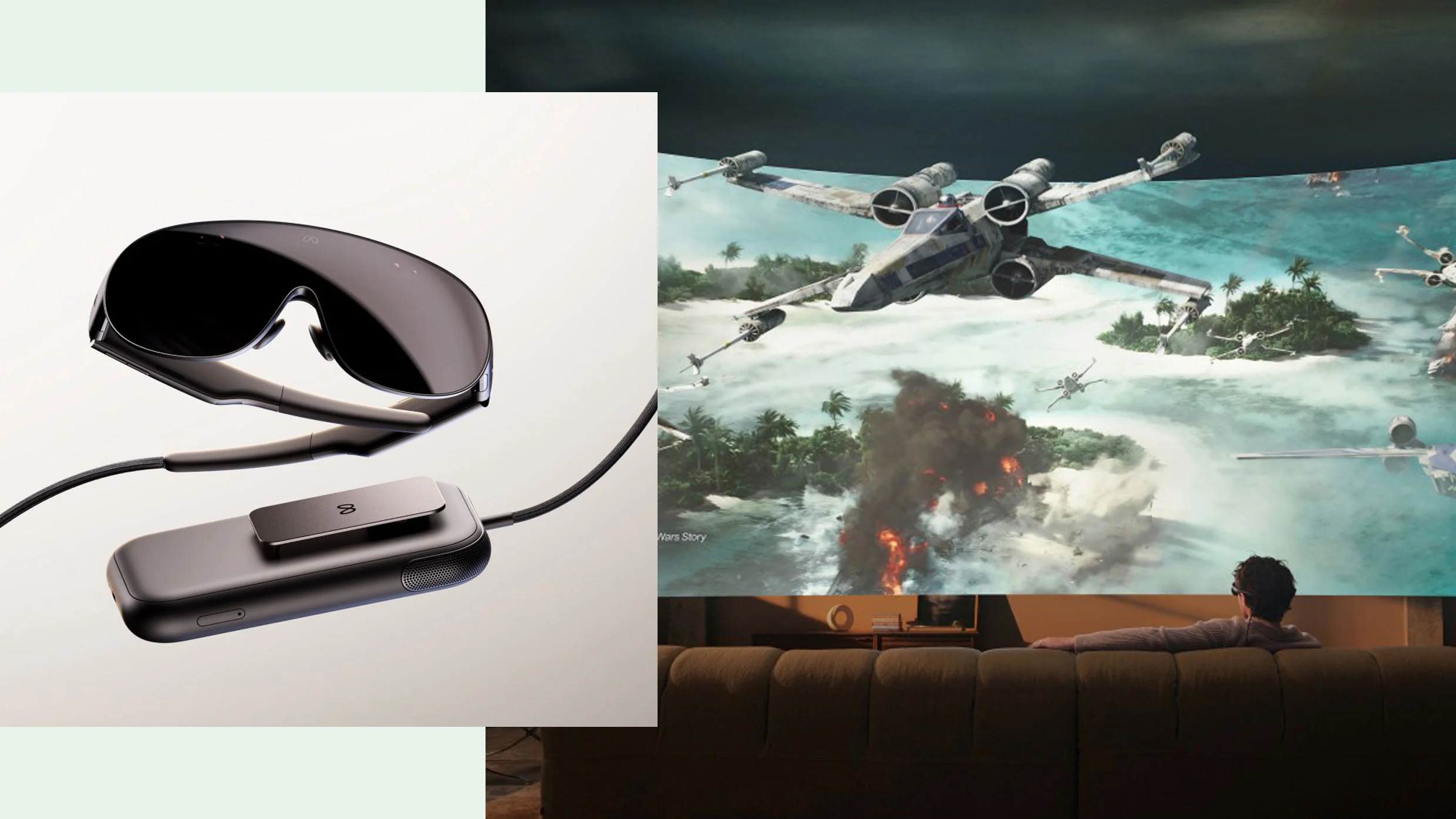
Enter Meta, which last week announced a product that would seem to tick all three boxes. The Meta VR Glasses are designed to do many of the same things as the Vision Pro, but in a lighter, more glasses-like form factor that costs just over a third as much—they’ll go on sale for $1,299 next year, while the Vision Pro starts at $3,699.
Source link





