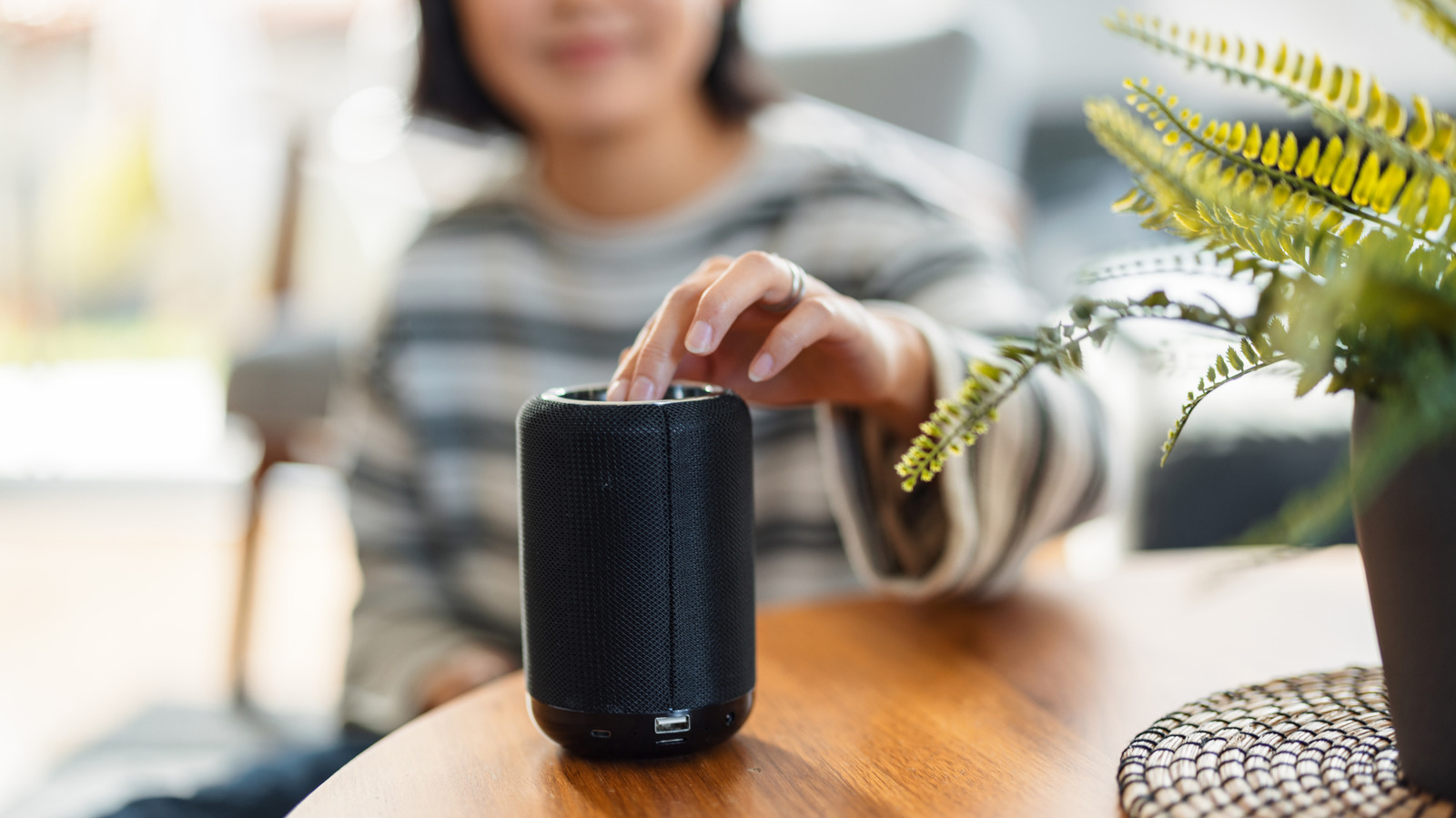
You might assume that doubling your Bluetooth speaker's wattage will double its loudness, but audio physics and speaker specs don't work that way.
Along with size and weight, wattage may seem like an easy way to narrow down the best Bluetooth speakers. But while the amount of electrical power a speaker can handle may seem like a meaningful spec, it's not the most straightforward way of measuring speaker quality or even volume. Case in point: you may believe a 20-watt speaker is twice as capable as a 10-watt speaker, but that's not actually the case. It simply means that one speaker's amplifier sends twice as much electrical power to the drivers as the other.
Speaker power can also be measured in two different ways: RMS (root mean square) and peak ratings. Manufacturers and retailers often list only one of these two figures, making it difficult to compare different speakers based on their power rating alone. So how many watts do you actually need in a Bluetooth speaker and what should you look out for when shopping for one? Here's a quick rundown.
The peak power rating is easier to understand: it's the maximum electrical power a speaker's amplifier can handle. However, this peak power rating can usually only be sustained for short bursts without causing problems or damaging the speaker's internal components . This is why you'll often see two power ratings on speakers, sometimes with a drastic gap between them. The second power rating you'll commonly see on speakers is an RMS rating.
Source link