

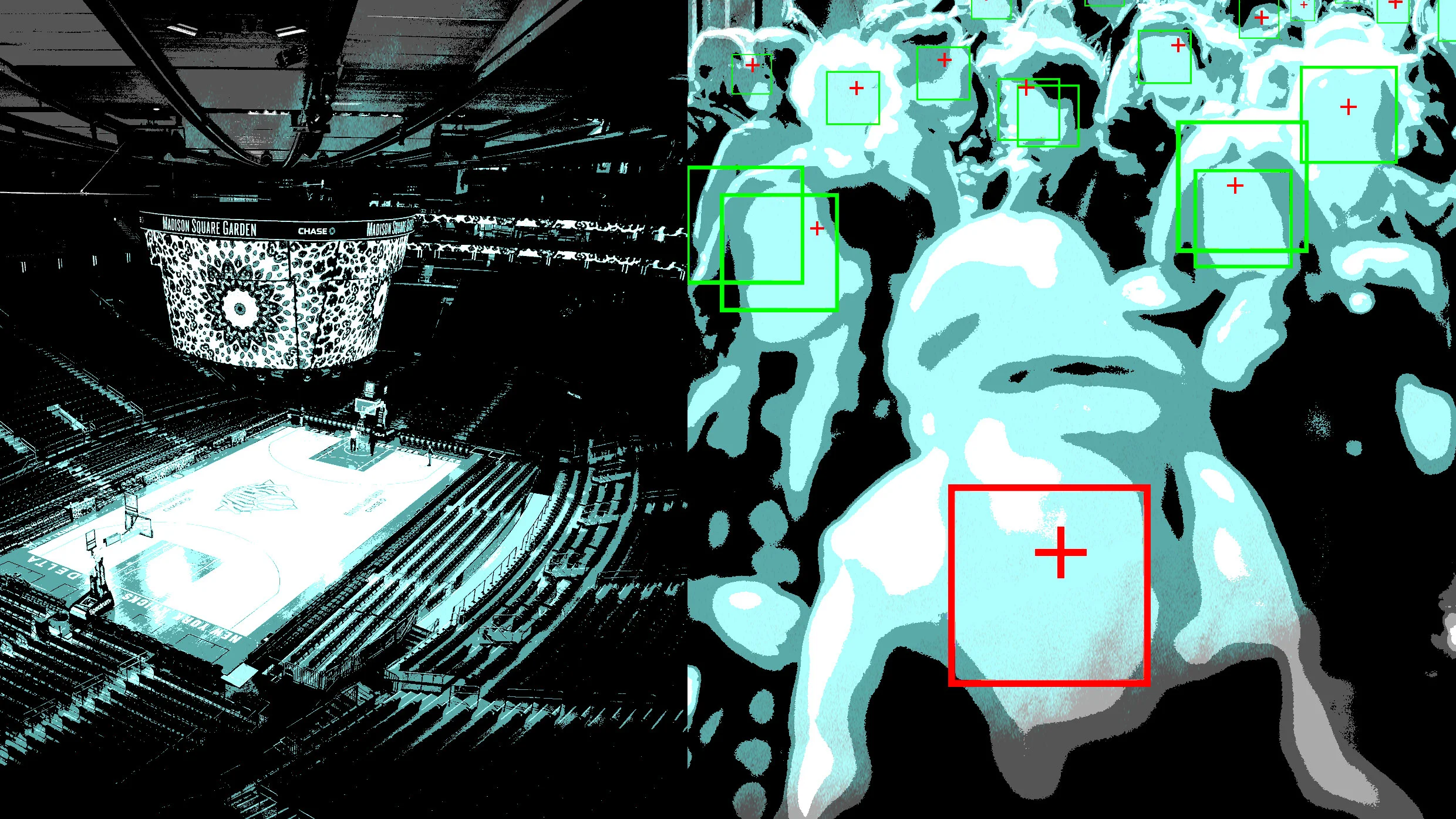
Madison Square Garden may have done more to turn New Yorkers against facial recognition than any privacy campaign ever could.
The majority of New York City Council members signed on earlier this year as sponsors to a bill, known as Intro 213, that would curb the use of facial recognition in public establishments from shops to stadiums, and the proposed legislation received a nod from Mayor Zohran Mamdani in a statement shared with Fast Company.
“No fan should have to worry about their biometric data when they’re already worried about their team losing the game. Intro 213 would prohibit the collection and sale of your personal data at public accommodations like sports arenas throughout New York City,” Mamdani says. “It is time to ban the scan and protect New Yorkers’ privacy and civil rights.”
Councilmember Shahana Hanif, who introduced the bill, has pointed to widespread concerns about surveillance in New York City, dating back at least to controversial NYPD actions like the monitoring of Muslims after September 11.
“I grew up in the backdrop of 9/11, and saw what surveillance, racial profiling, and a surveillance state is capable of,” says Hanif, the first Muslim woman elected to the City Council.
But Hanif, like other advocates of limits on the technology, says she was also motivated by the applications of facial recognition at Madison Square Garden and other venues run by Madison Square Garden Entertainment , including an incident in late 2022 where a woman escorting her daughter’s Girl Scout group to Radio City Music Hall’s celebrated Christmas show was denied entry.
Source link





