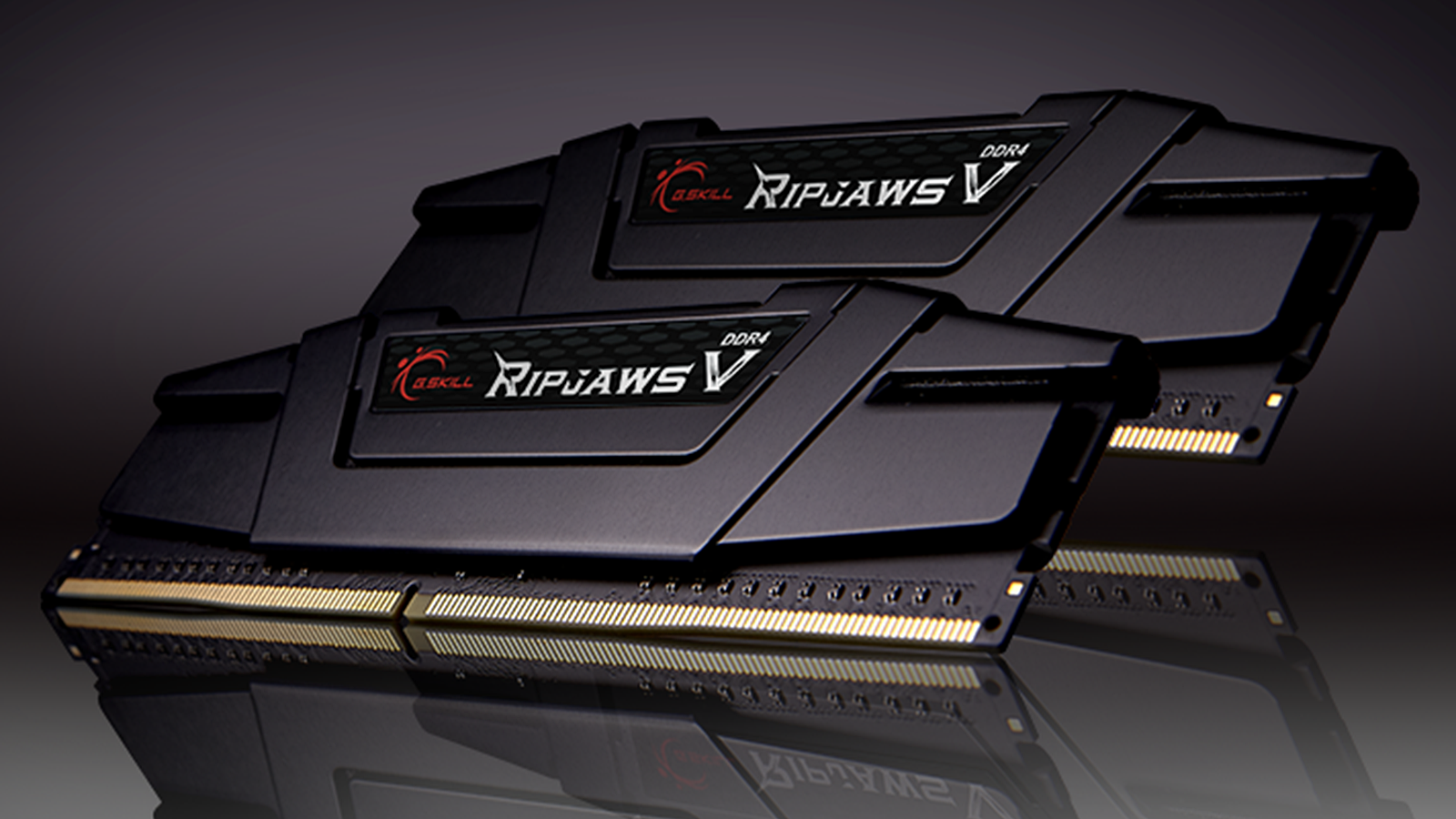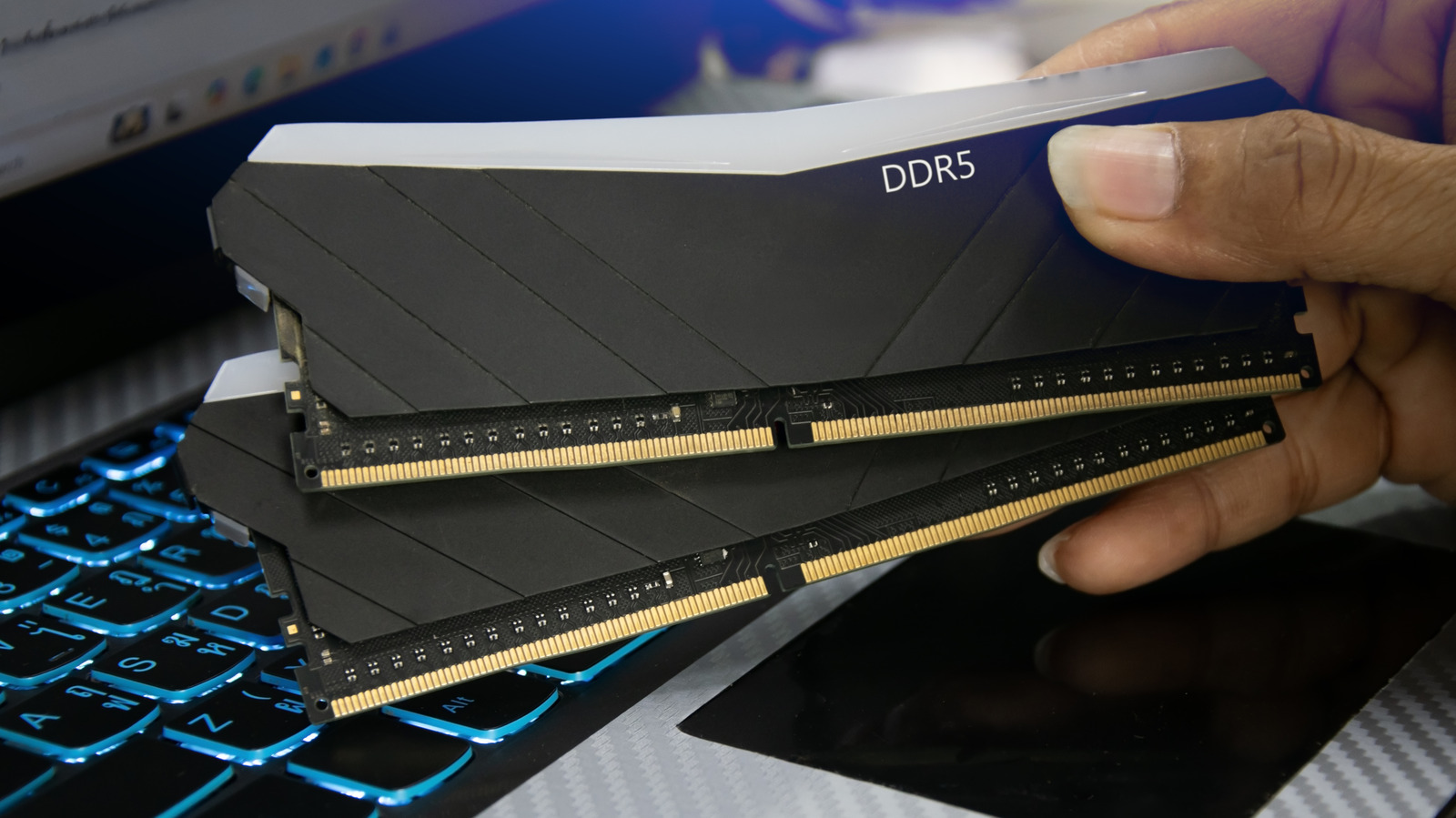
We probably don't need to remind you that RAM prices are out of control, spiraling into the sky like a broken rocket because of the unending growth of AI data centers. Companies like Apple have had to raise the cost of existing devices to keep up profit margins, and newer products are often launching with eye-watering price tags. Valve's Steam Machine costs over $1,000 — which is in line with a comparable gaming PC, but it was originally intended to be much cheaper, probably closer to $750. There's no telling how expensive Sony and Microsoft's next consoles will be.
This makes clinging onto the RAM you have particularly important. Replacement memory could potentially be unaffordable, never mind buying or upgrading to an entirely new computer. In fact, companies like Intel are even backtracking to support cheaper DDR4 RAM, despite DDR6 already being on the horizon. The good news here is that in terms of durability, your RAM will probably survive until you buy a new PC, regardless of how many years away that might be. Whether you'll tolerate the performance barriers of older modules is another matter. The demands of PC apps are always evolving, after all.
While it's tough to track down hard figures, PCWorld claims that on average, the material longevity of RAM should fall anywhere between 3 and 15 years. That's obviously an extremely broad range. It's very plausible, however, when you consider the range of factors involved. For one, there's initial manufacturing quality. Skill, Samsung and Corsair — there's always the possibility of a defect, since quality control is never perfect.
Source link