It may not be as shocking as rogue AI agents hacking another system, but the current political resistance to data centers has taken a surprising turn: It’s bringing together strange bedfellows, from democratic socialist Sen. Bernie Sanders to right-wing strategist Steve Bannon.
Organized opposition to new data centers, made up of a coalition of varied interests, has spread across the nation. Through protests, packed zoning commission meetings, moratoriums, and other government action, the resistance has upended dozens of proposed projects.
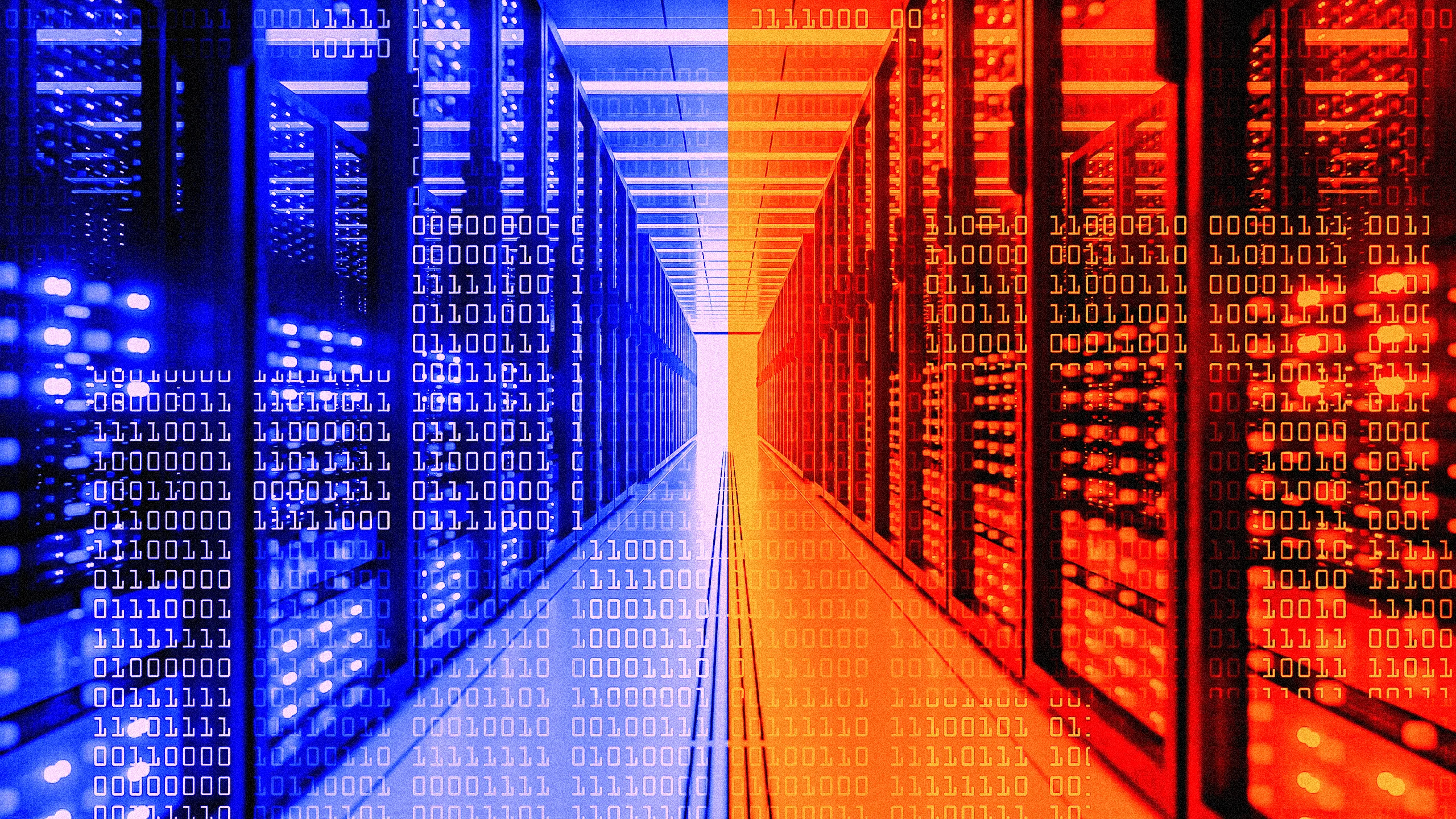
Data centers are key components in artificial intelligence infrastructure, housing the computing resources used to train AI models. They’re also massive facilities that require extraordinary amounts of energy. By 2030, U.S. data center electricity use is expected to reach 12% of the nation’s total consumption.
They carry some benefits. At the national level, data centers fuel the computing power seen as critical to U.S. competition with China. Locally, they create an uptick in jobs, especially during the construction phase, and can generate tax revenue. In the lead-up to the 2026 midterm elections, though, the heavy costs associated with them—such as land use, higher household utility bills, and environmental degradation—appear to outweigh the benefits, bringing together people who usually find themselves politically at odds.
I’m a professor of political science who studies political parties, electoral politics, and technology. My forthcoming book, Democratic Intelligence: Navigating Electoral Politics in an AI World , examines how the adoption of AI in political campaigns is reshaping established practices and power dynamics.
Source link