Fall weather may be upon us, but that doesn’t mean our lawncare duties should go into hibernation just yet. In fact, now is the time to tend to our lawns and ensure they’re in good shape come spring.
And if you’ve noticed that your once lush lawn is looking patchy, soggy, or generally in bad condition, it could point to compacted soil. Essentially, this is when pressure or certain weight squeezes soil particles together. This thick layer blocks any water, essential nutrients, or air from getting into the roots — affecting healthy growth.
But how do you know? And more importantly, what can you do to repair it? To help solve this dilemma, I asked the garden experts to share the key signs of compacted soil, how to test for it, and the best ways to fix it this fall.
Puddles or standing water on your lawn clearly indicate compacted soil underneath. This is because tightly packed ground prevents proper drainage, which can lead to waterlogging, patchy spots, and root disease.
“One of the clearest signs is water sitting on the surface after rain,” states Chris Bonnett, the founder of GardeningExpress.
“If puddles take a long time to drain, it could indicate that compacted soil is preventing water from soaking into the ground properly.
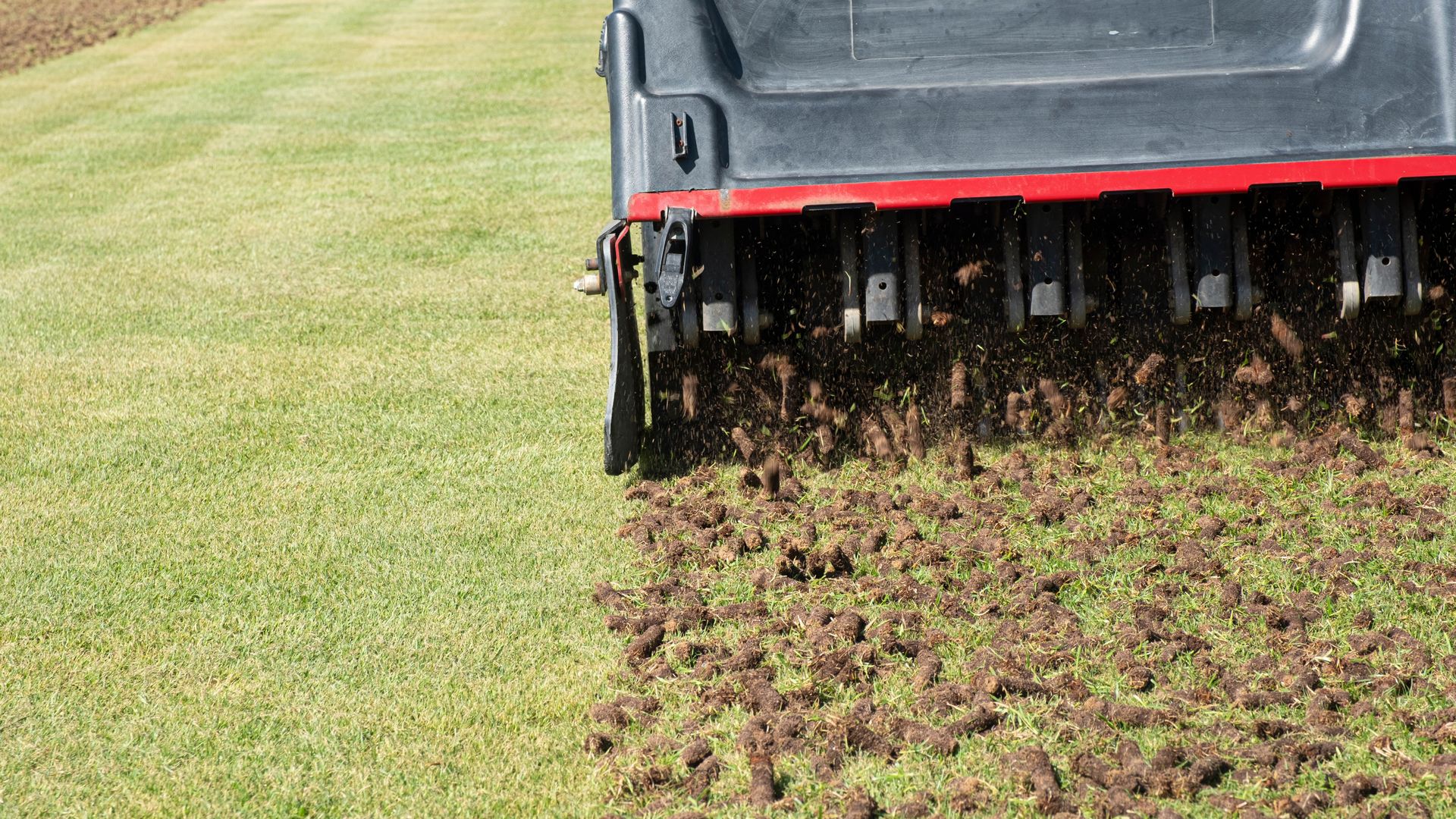
The first step to fix this is to aerate the soil (making holes) to allow it to breathe. Typically, there are two types of aerators – spike and core aerators.
Spike aerators literally have long spikes that puncture the ground as you pass over it, while core aerators pull up ‘cores’ of soil as they work, leaving them on the surface.
Source link