In 2016, TV advertising was in trouble. People were canceling their cable subscriptions by the millions, ratings were slipping, and advertisers were pouring billions of dollars into digital platforms that promised bigger audiences than TV at a much lower cost.
That April, Buzzfeed broadcast a live stream of two staffers in white coats and safety goggles wrapping rubber bands around a watermelon. The tension mounted as the rubber bands piled up, one at a time, hundreds and hundreds of them, squeezing the watermelon until it began to buckle. When it finally burst, sending pulp flying and its hosts shrieking, the live stream had been viewed more than 3 million times. CNBC called it the future of television.
Except it wasn’t. There was no way to tell how much of the audience actually watched the spectacle, or only watched it for a few seconds. The video may have simply run on autoplay as they scrolled past. But for advertisers, every three-second “view” counted as an impression, which was the industry’s basic unit of value.
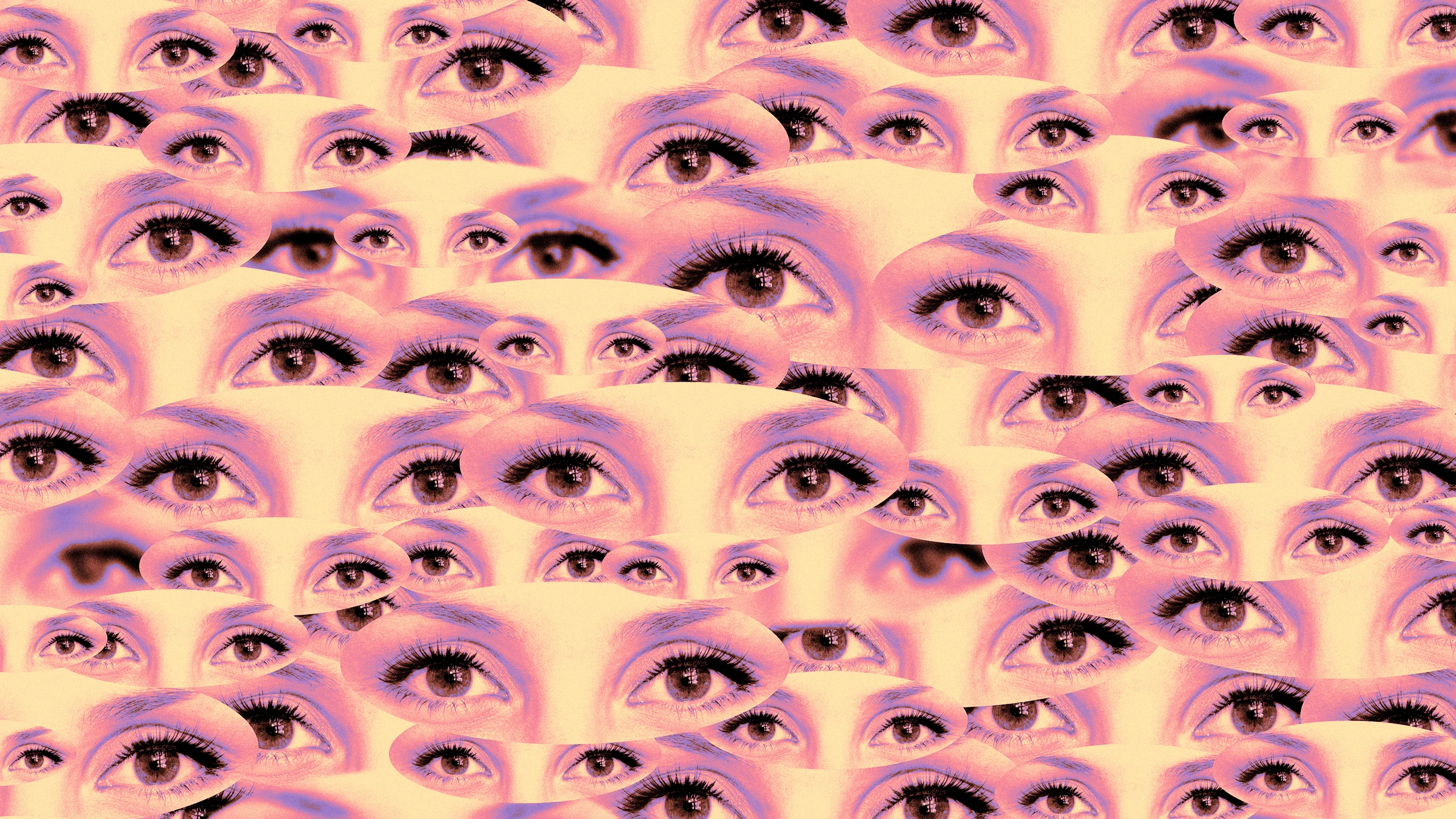
Advertising had always been the business of attention. But attention is finite. There are only 24 hours in a day, and people can look at only so many things at once. But the algorithms that controlled digital advertising weren’t built to reflect that reality. They were given an incentive: maximize ad revenue. So they learned to produce and promote whatever generated the most impressions. An impression was counted each time an ad, or the content around it, appeared on a screen for a few seconds, whether or not anyone actually noticed it.
Source link