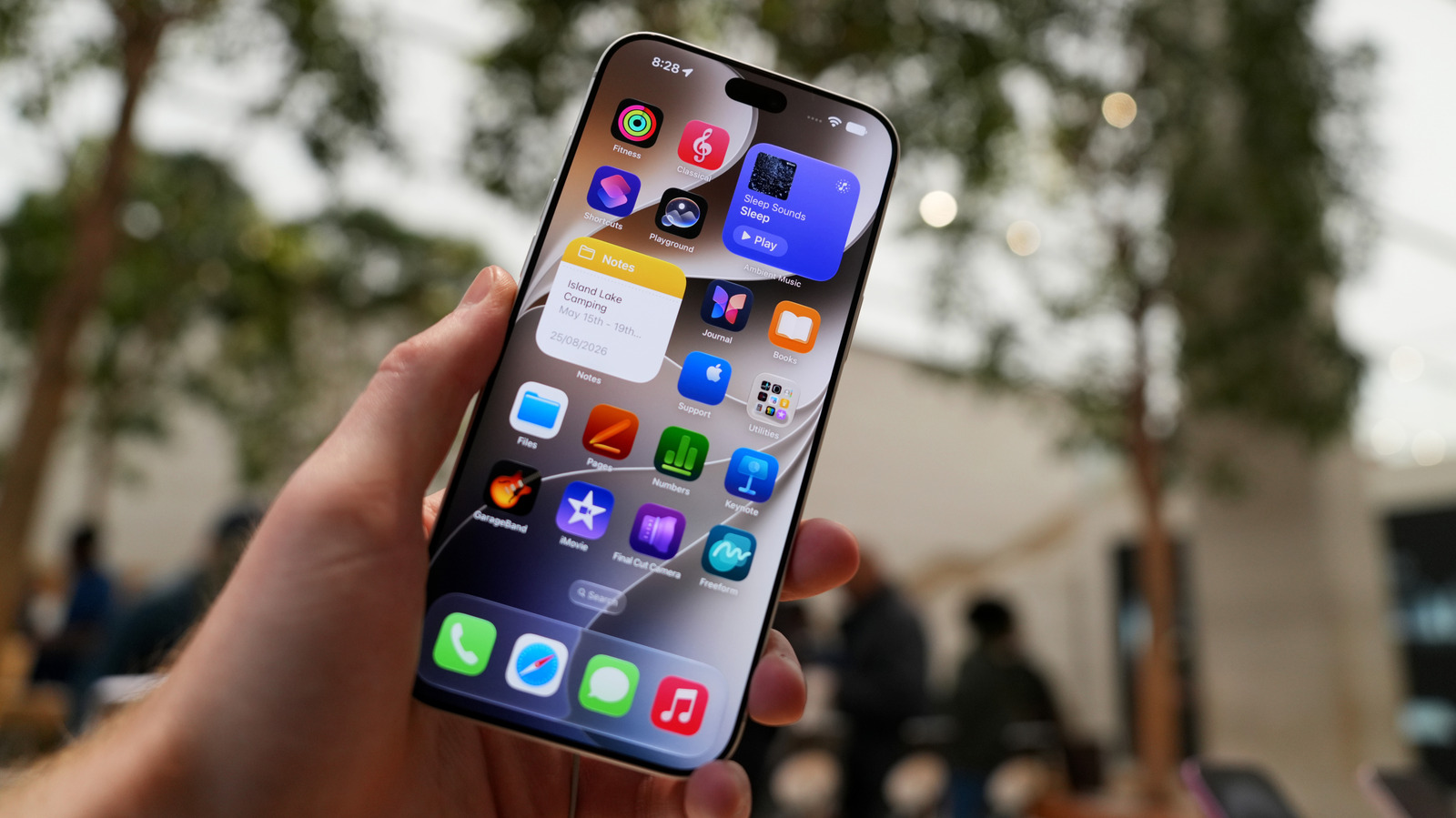
Any recent smartphone, be it an Android device or an iPhone, is chock-full of sensors. It wasn't always this way, but after the original 2007 iPhone, many sensor-reliant features quickly became standard. And of course, phone makers are constantly trying to one-up each other, sometimes in ridiculous ways. For a few years, some Google Pixel phones offered external temperature readers — no matter that even if the technology were bulletproof, a phone would still be an unreliable way to check for fever, never mind whether your chicken is done.
Particularly important are proximity sensors. These are actually a category rather than a specific kind of sensor, but they're so critical that the phone you're using has several of them. Arguably, smartphones would be impossible without them.
Here we're going to cover what constitutes a proximity sensor and how your phone uses this data. Some good news is that the data is rarely of interest to anyone but yourself. With, perhaps, a couple of major exceptions.
The most basic proximity sensor in your phone is the one used to shut off the screen whenever you raise it to your ear. This relies on infrared and/or capacitive technology. It not only prevents accidental touch commands, but also extends battery life, since the display will always be one of your phone's most power-hungry components. It's pointless for it to outshine the sun while you're on a 40-minute tech support call.
Some phones rely on advanced infrared sensors to detect when you are nearby.
Source link