
Here is what the ruling covers, and how advertisers could potentially recover up to 3x the amount paid in hidden costs.
This post was sponsored by Silver Arbitration Law, PLLC. The opinions expressed in this article are the sponsor’s own.
If you manage Google Search campaigns, you have explained rising CPCs many times: more competitors, broader match types, a lower Quality Score, an account that needed restructuring. Each explanation is plausible.
I have worked in arbitration since before Google existed, as both counsel and arbitrator. Below I set out what the record shows: what the court found, which auction changes it named and when they ran, and what you would have to establish about your own account before any of it applies to you.
In August 2024, after a ten-week trial, the court found that Google “has exercised its monopoly power by charging supracompetitive prices for general search text ads” (Mem. Op. at 4).
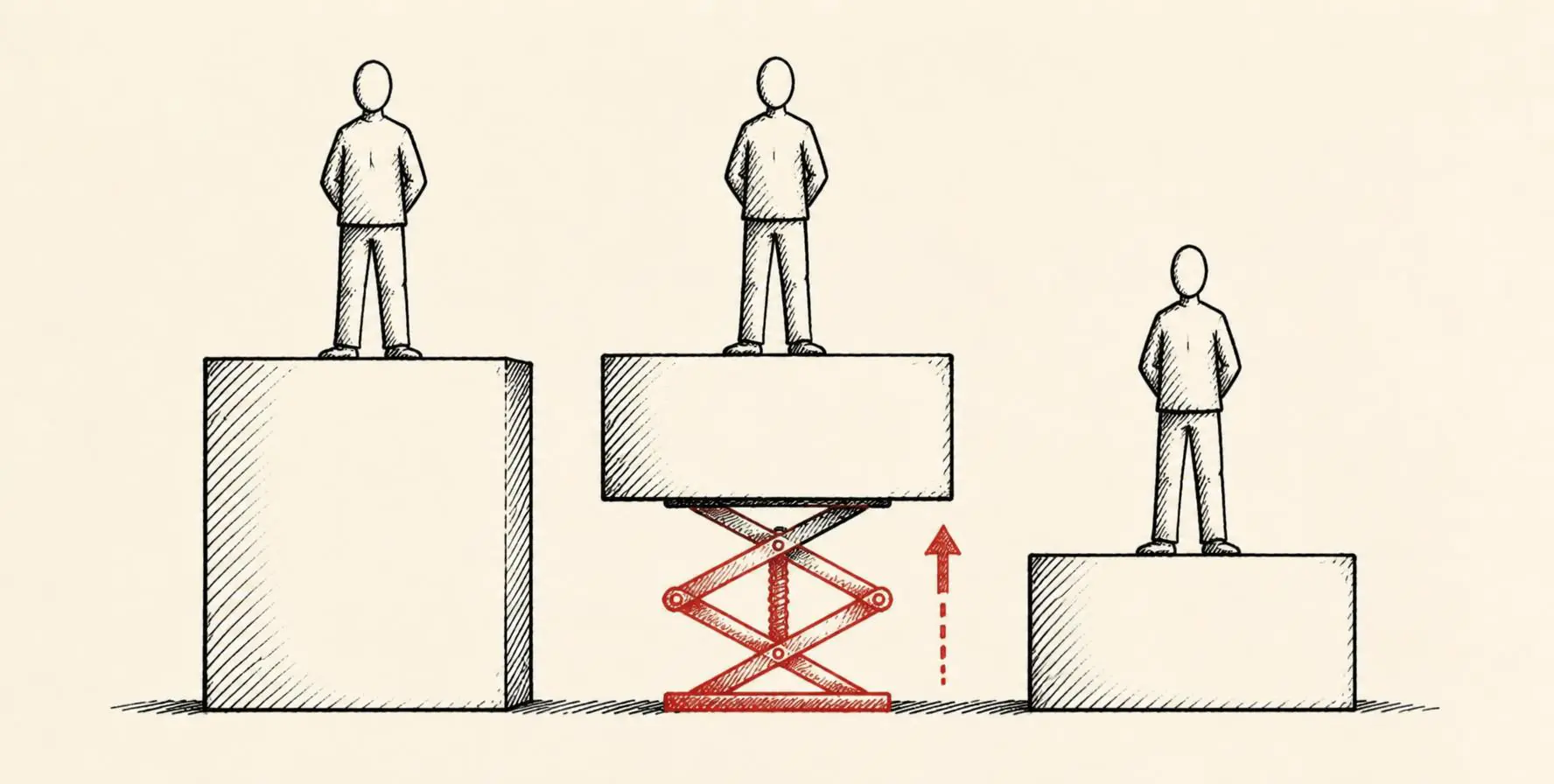
The trial record showed that Google’s ads team used internal “pricing knobs” that raised what a winning ad paid without any change in bids, ad quality or competition, mostly by inflating the runner-up’s score that sets the winner’s CPC.
Four of these instances have date ranges you can check against your own account:
Advertisers were not told. Google’s Vice President of Ads testified: “We tend not to tell advertisers about pricing changes” ( Tr. 1226, Dischler ). The court found that “[m]any advertisers do not even realize that Google is responsible for the changes in price” ( Mem.
Source link





