

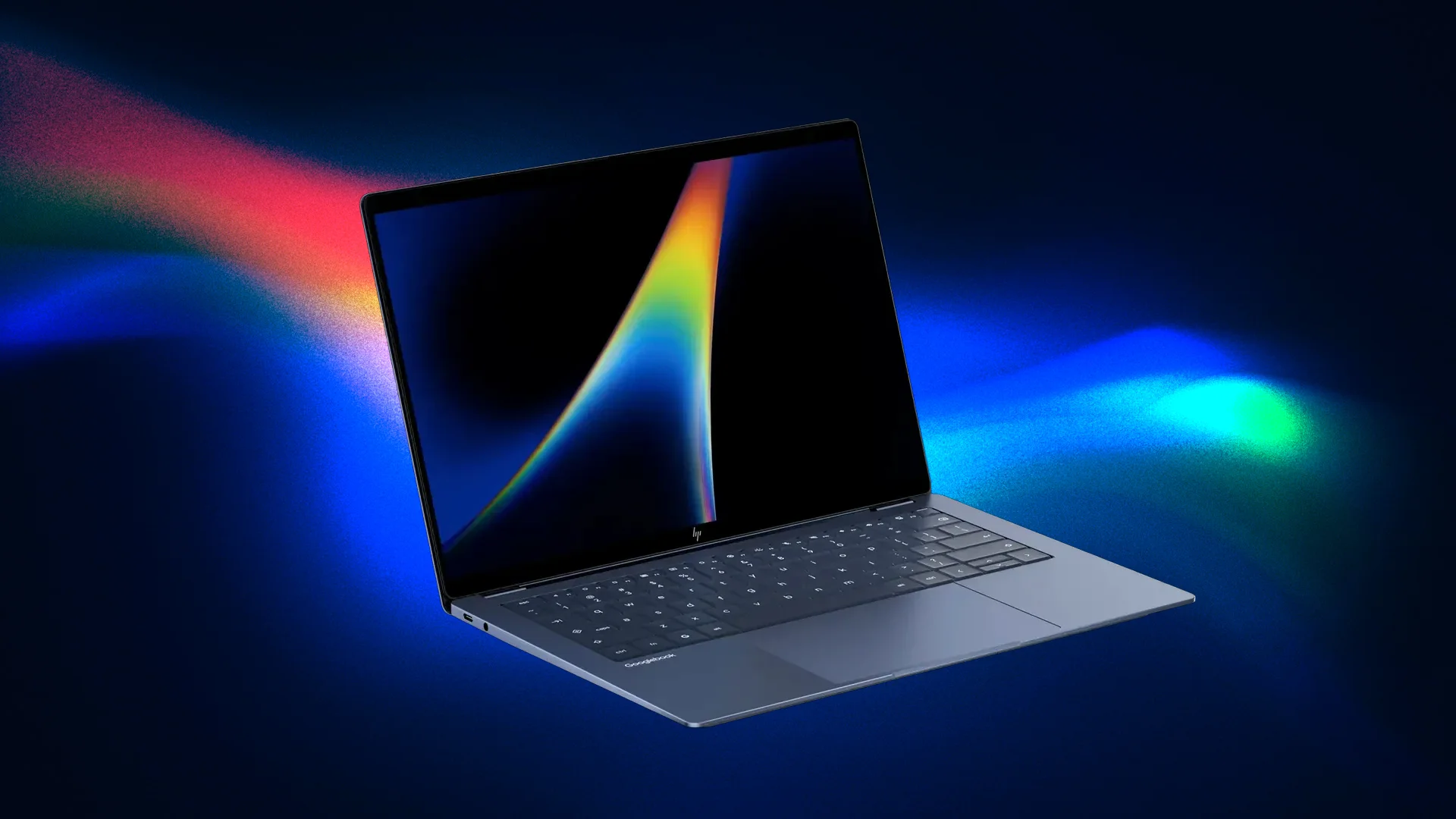
Does Google still believe in the open web? With the launch of its new Googlebooks, it doesn’t feel that way.
Googlebooks are Google’s attempt to establish a new platform of Android-based laptops, with native Android app support and tight connectivity with Android phones. They’re also an extension of Google’s efforts to rebuild Android around AI, with Gemini features just a quick cursor gesture away.
At the same time, Google plans to phase out ChromeOS, which it introduced in 2009 as a lightweight platform for the web. While Chromebooks remain popular in the education sector, Google says it will convert many existing models to Googlebooks, and it will end support for ChromeOS entirely by 2034.
it’s a sad end for what once represented Google at its most idealistic. Chromebooks weren’t just a breakthrough in speed and simplicity for laptops, they were also a bold bet on the open web as the next great computing platform. As the web becomes more walled off, and Google pivots to a platform more directly under its control, that dream has finally run its course.
The original goal for Chrome OS was to strip away all the overhead of a traditional laptop to make computing faster and easier. Here’s what Google wrote about the project in 2009:
“Speed, simplicity and security are the key aspects of Google Chrome OS. We’re designing the OS to be fast and lightweight, to start up and get you onto the web in a few seconds. The user interface is minimal to stay out of your way, and most of the user experience takes place on the web.
Source link





