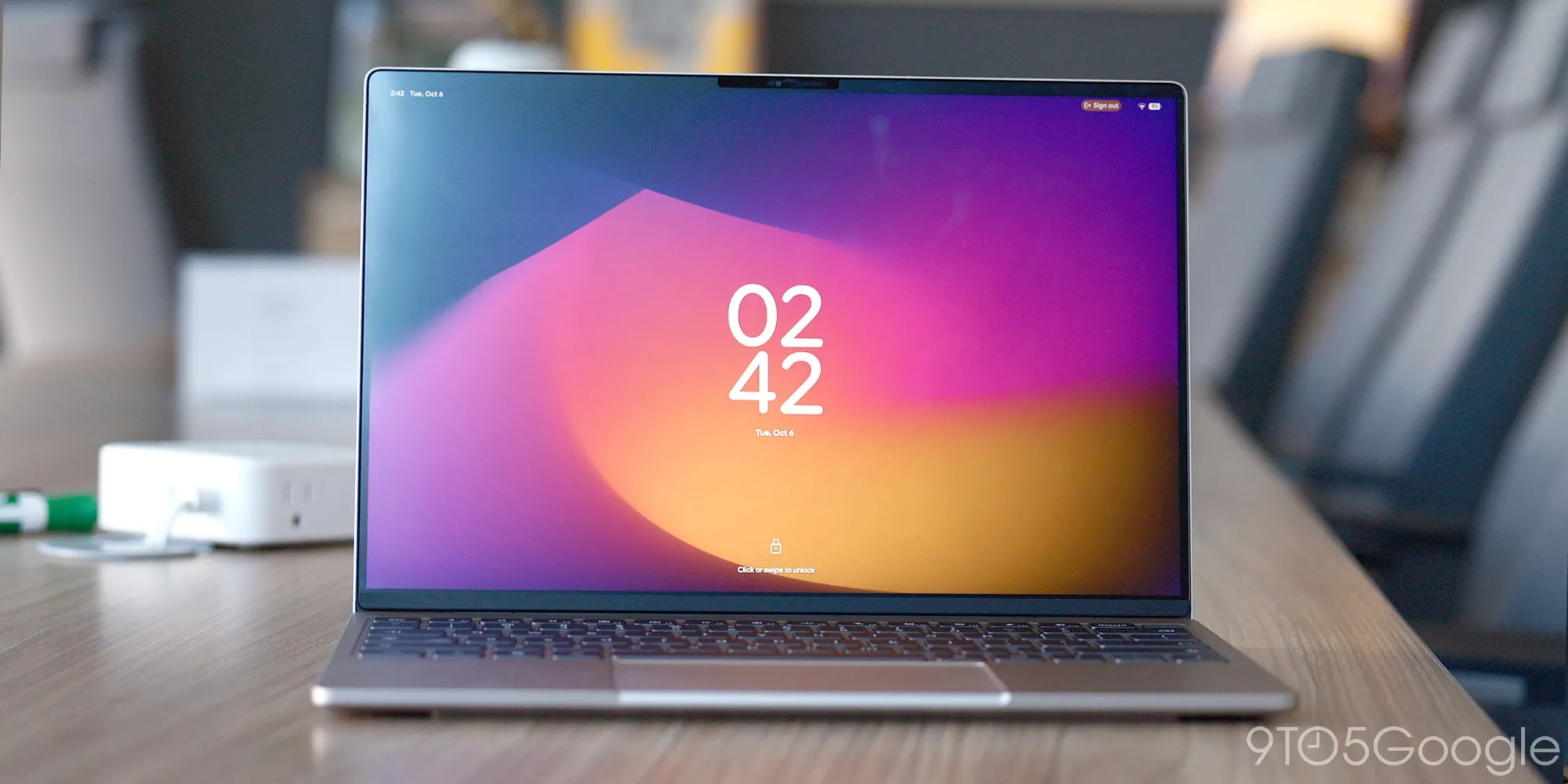
Googlebook was always going to run into problems with app availability, but few expected the platform to regress its support for Linux apps from Chromebook’s fairly robust solution. In a blog post, Google reiterates that the “Linux Terminal Preview” on Googlebook isn’t for using Linux apps, but for building with AI.
ChromeOS introduced support for Linux apps a few years ago, allowing users to install apps designed for Linux on their machines to expand what the laptops could do. Googlebook does not have this same support, with the Linux Terminal accessible and apps technically installable, but those apps now show up alongside Android and web apps, nor do they feature the same level of user-facing functionality.
In a blog post this week, Google reiterates that the priority around Linux support on Googlebook is, for now, focused on AI-aided app development.
Today, getting the most out of AI workflows requires access to a terminal with a command line, even if someone doesn’t identify as a programmer or software developer. With Googlebook, we’re excited to help users express themselves and gain access to these tools. Googlebooks come with pre-installed tooling to get you going.
Google says that the Terminal is designed to be the “entry point” for AI agents so that tools like Google’s own Antigravity can use command-line tools within the Linux virtual machine. That setup also ensures your private files are isolated from the agent’s access (unless you grant access).
The Linux Terminal implementation on Googlebook is “optimized for rapid prototyping, web development, scripting, and agentic workflows via CLI,” Google says, with a future focus on “building not only on Googlebook but also for your other devices” while also fine-tuning the experience for “heavier workloads.”
Source link