Public trust in smart glasses is very important for selling lots of smart glasses.
The world has changed in the ten years since Snap first launched its camera-equipped Spectacles. Not only has the smart glasses market grown, the number of people sharing videos online has also jumped significantly. Nowadays, thanks to the rise of platforms like TikTok and Reels, anyone can be an influencer. And the possibility of innocent passersby inadvertently being included in a viral clip is far higher than it was.
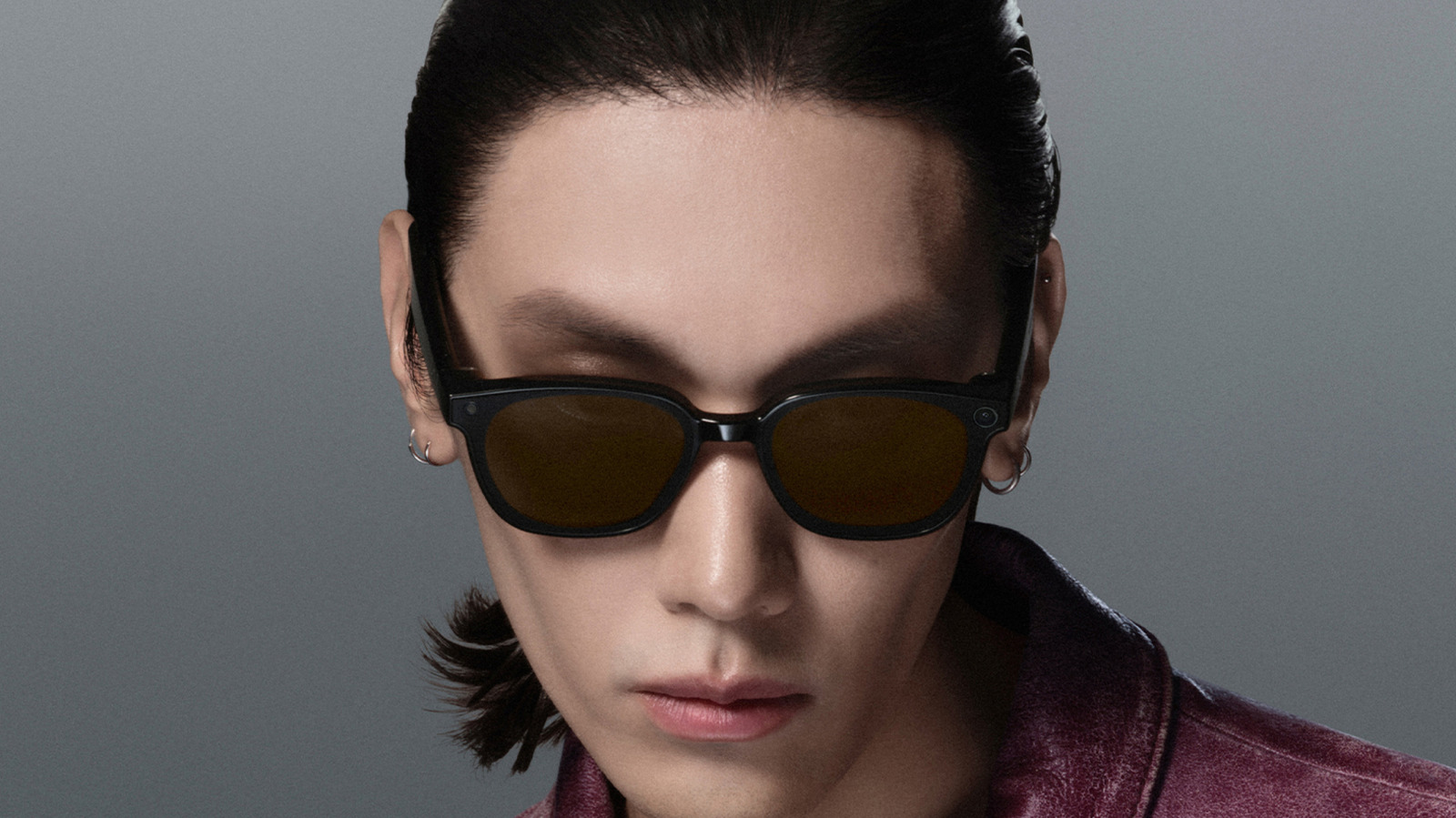
It is in this climate that Google launches its intelligent eyewear devices today. This year has already seen Meta catch heat for what people called its "pervert glasses" or "creep glasses." In addition to making people feel uncomfortable about being spied on or filmed without their consent, the controversy has also discouraged existing users of those glasses from continuing to wear them, not to mention possibly putting off potential buyers.
Google has been working on this launch for years , and it can be easy to see why it doesn't want its own camera-equipped glasses to suffer the same backlash or be painted by the same brush. Perhaps that's why it's taking pains to make its privacy policies around the intelligent eyewear platform clear today. It's published a blog post outlining the privacy protections it's bringing to the platform, and they don't just revolve around preventing tampering with the LED indicator lights. Google is taking a fairly comprehensive approach that goes beyond device-specific measures, and includes using its wide sphere of influence to prevent surreptitious videos spreading online.
Source link