

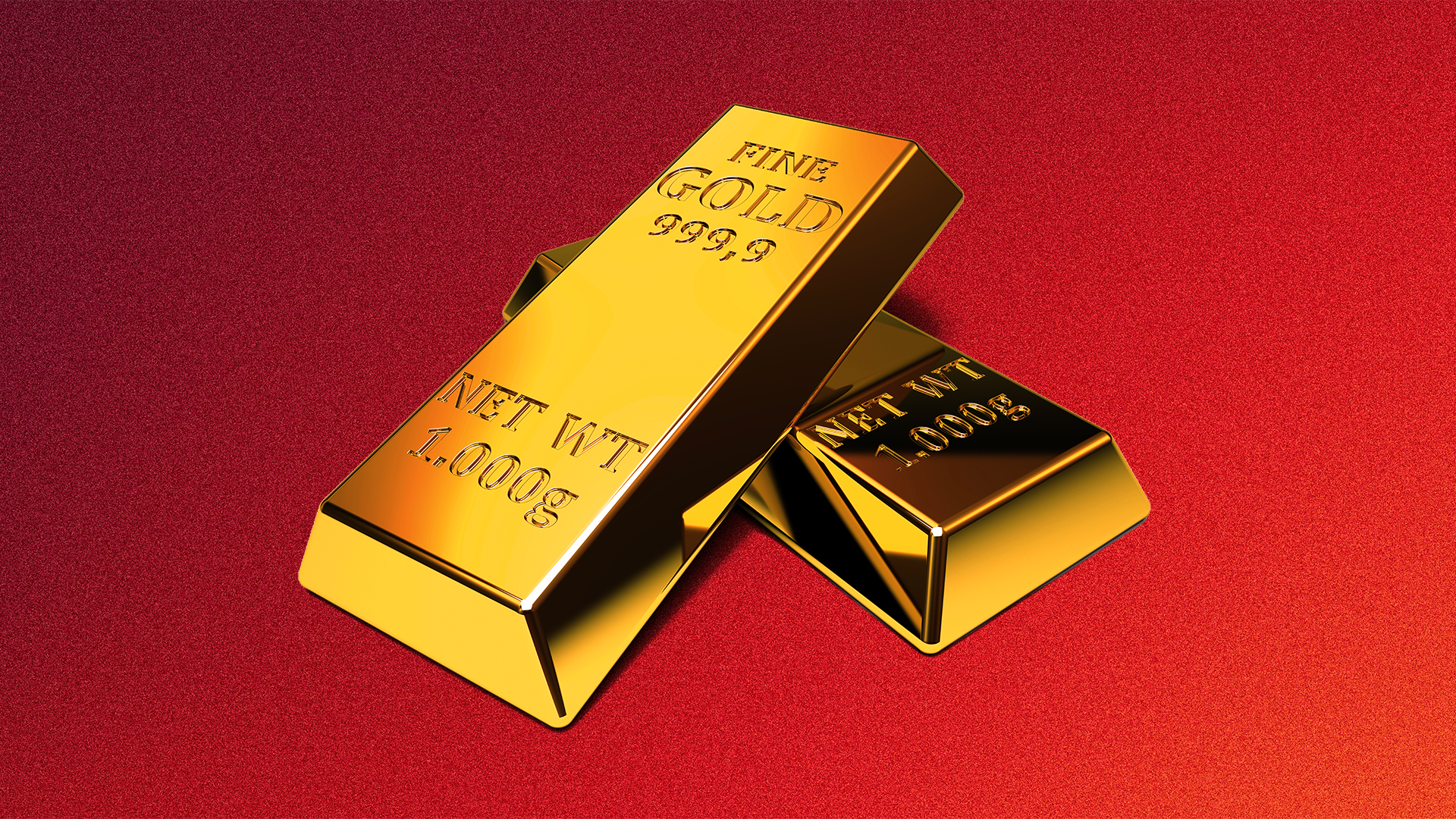
Gold investors are also seeing significant losses. As of this writing, the precious metal is down nearly 3% for the day, trading just above $3,576 per ounce. That’s a level the yellow bullion has not seen since September 2025.
That price is all the more striking when contrasted with gold’s surging value earlier this year. In January, gold peaked at around $5,600. But since then, the precious metal has been under constant pressure, and in late September, its price began plummeting from around $4,400 an ounce to roughly $800 less today.
But just what is driving gold’s fall as of late? There seem to be three major factors impacting the bullion’s recent plunge.
The first factor likely influencing gold’s fall recently is the likelihood of a federal interest rate hike in December. As Fast Company previously reported, the Fed is likely to raise rates by 25 basis points, to a range of 4.00%–4.25%.
When interest rates rise, money becomes more expensive to borrow. This means the lenders of that money stand to make more. Anyone can become a “lender” by buying Treasury bills whose interest rates are heavily tied to the Fed’s set rates.
Rising interest rates typically lead investors to sell off non-interest-yielding assets and use the proceeds to buy assets—like Treasury bills—that return a guaranteed rate.
This asset reallocation is likely one of the major factors affecting gold prices (and not just gold—but also cryptocurrency prices lately).
The second likely major factor impacting gold prices lately actually has nothing to do with gold itself.
Source link





