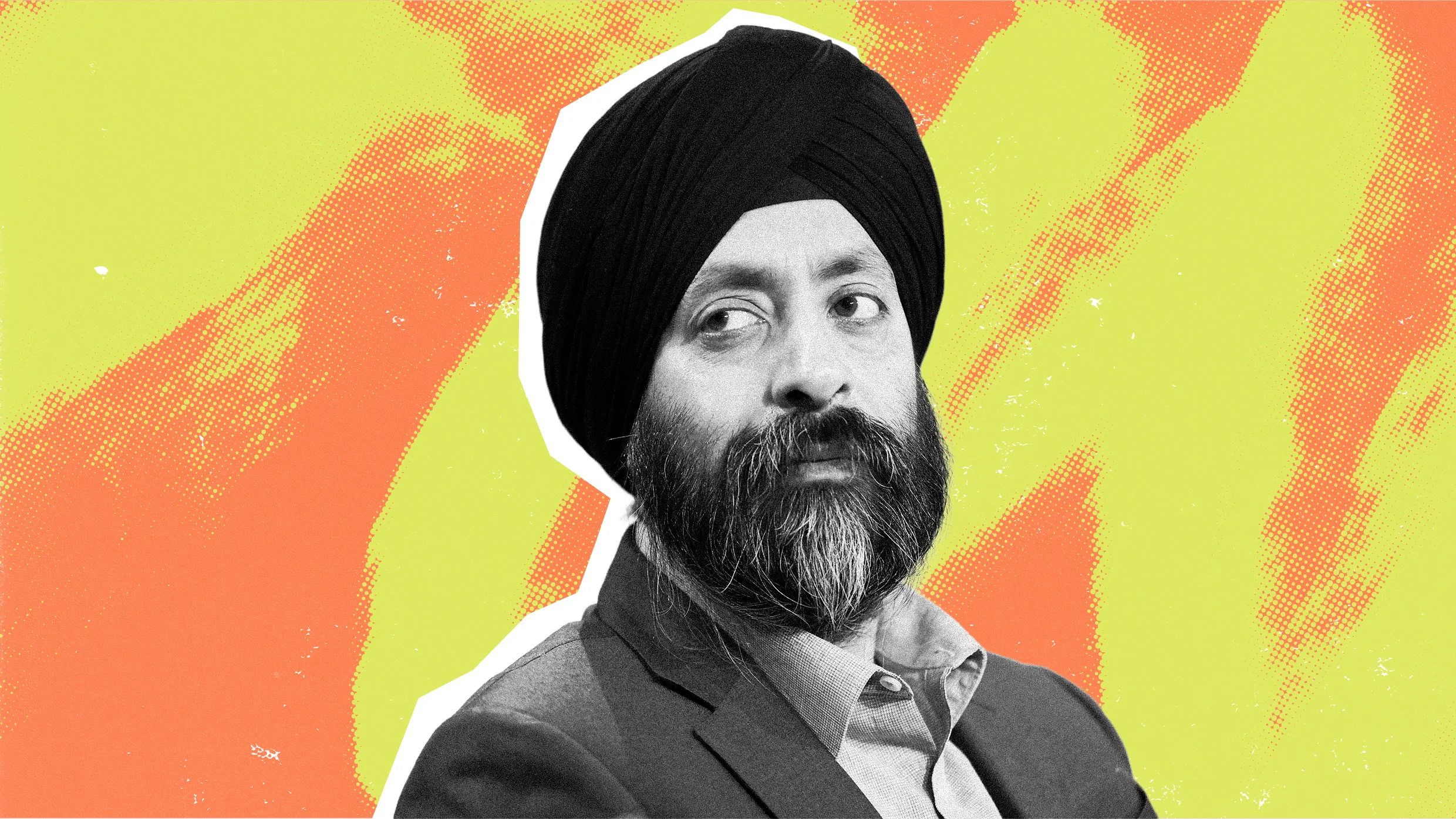
GoDaddy CEO Aman Bhutani says he won’t read a report if he suspects it was written by AI— because he knows nobody put thought into it.
“If somebody sends me a document and I can tell pretty quickly it was written by AI, I don’t read it,” he recently told Business Insider. “If the person couldn’t take the time to write it, then I definitely shouldn’t take the time to read it.”
Bhutani says AI-generated writing is easy to identify—telltale signs include excessive length, an overly punchy tone, and language that is a little too perfect.
His goal is to make sure his employees are thinking for themselves.
“AI only knows what the internet already knows,” he said. “It doesn’t know what we know deep inside us, and there are ideas coming from us all the time.”
Also, being able to clearly convey an idea in writing requires refining the idea itself—something Bhutani calls “the art of iteration.”
“What I’m really looking for is: What was the original observation? What was the original hypothesis? What got you interested in this idea? Why do you think it matters?” he said.
Bhutani is far from the only executive who still views writing as an essential workplace skill.
Zapier CEO Wade Foster has referenced what he calls “the comprehension gap,” which happens when executives use AI to craft communications and later can’t explain their work.
Sam Altman himself has described writing as “externalized thinking,” saying putting difficult problems into words helps him clarify his ideas.
Source link