Americans spent about 95 billion hours behind the wheel last year, traveling something like 2.76 trillion miles. On Wednesday, General Motors executives are outlining the future of automotive at the company’s annual GM Forward event in New York City, and they say their goal isn’t to reduce that number. After all, it’s a car company.
But GM does want to make car time better. Or, as Chief Product Officer Sterling Anderson put it in an interview with WIRED, “make it more productive, make it more relaxing, make it more engaging. We’d like to make your vehicle a more central, more useful part of your life than it has been historically.” Your future car is sort of a personal assistant, and sort of a spouse, and sort of a tool, and sort of a best friend.
It’s a tall order. But in a raft of announcements this week, GM hopes to demonstrate that, armed with AI-enabled capabilities, the automaker is inching closer to that future.
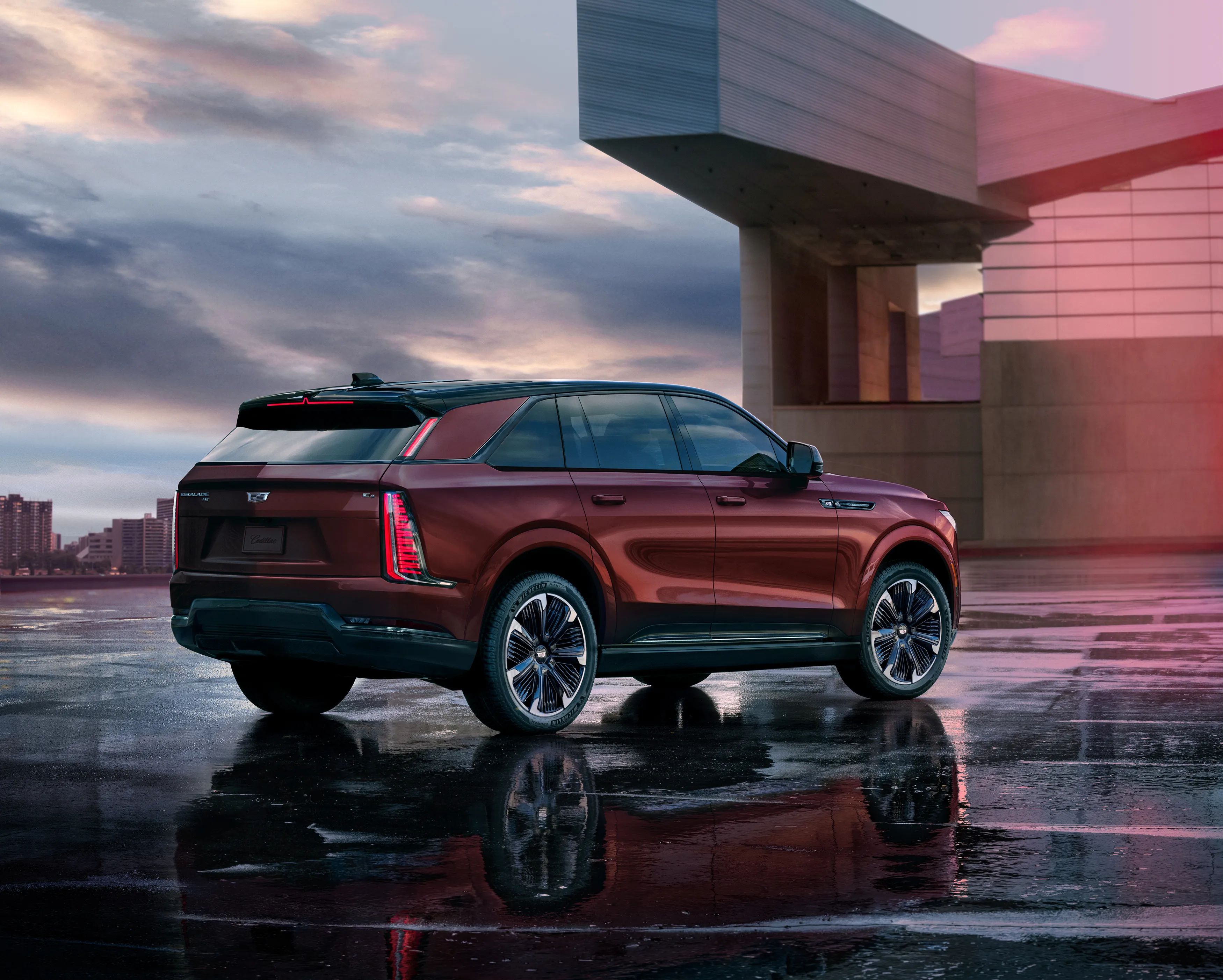
GM says it will roll out a new in-car AI assistant, called OnStar AI, starting with 2027 Cadillac Lyriqs. (The name borrows from the 30-year-old roadside assistance and security service, which has 12 million subscribers.) Paired with a new app, the system will start by letting drivers, for example, turn on their air conditioning with a voice command without navigating through a menu. Eventually, though, it might coordinate kid pickups and drop-offs depending on which spouse’s car is closer, Anderson says.
GM also says it will use AI to speed up new-vehicle development, eventually cutting its four- to five-year development time in half—the speed at which Chinese carmakers create new vehicles today .
Source link