
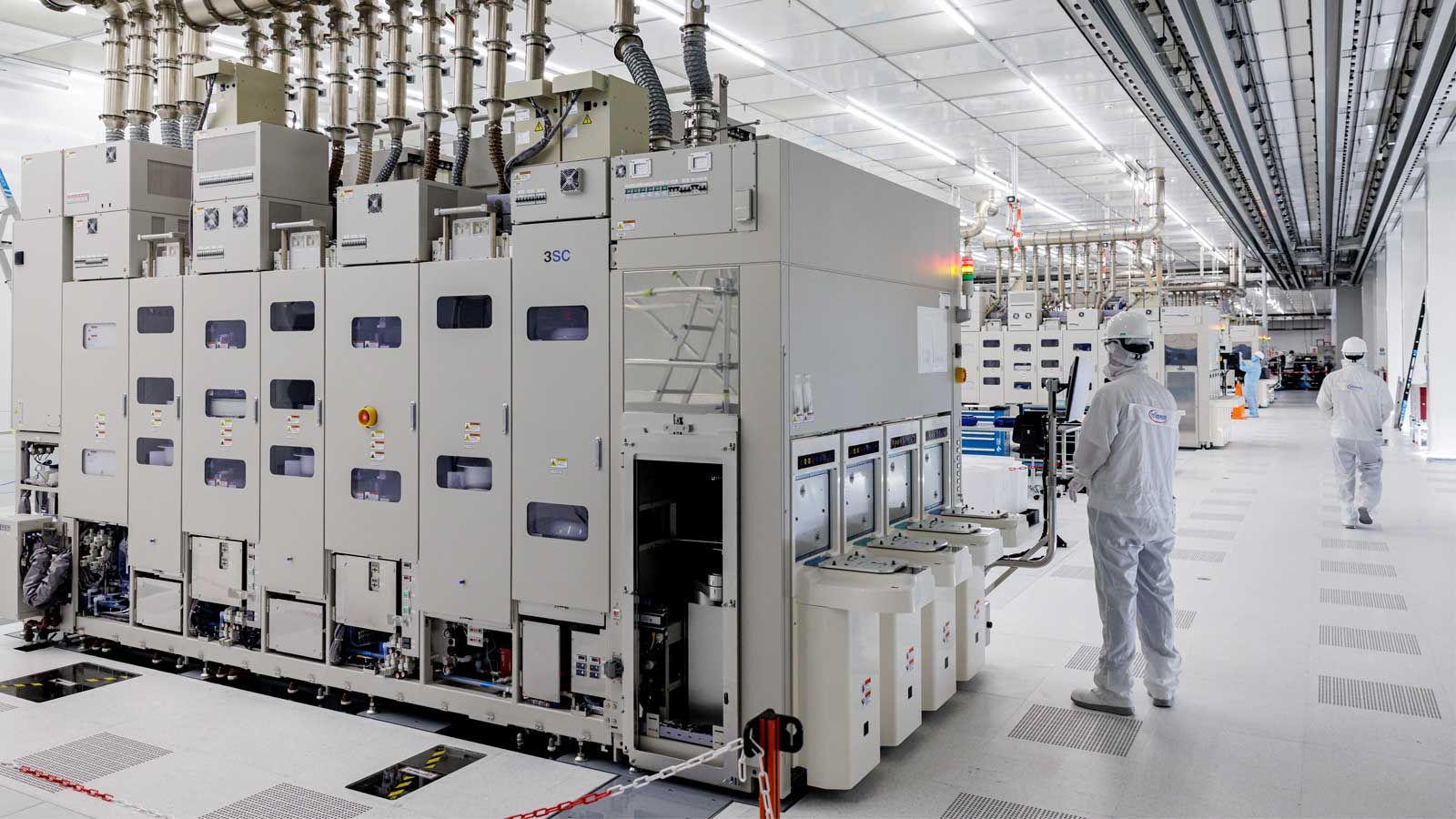
Japanese semiconductor lithography tool maker Gigaphoton has developed a novel neon gas recycling system named hTGM for its argon fluoride (ArF) excimer lasers. The method has demonstrated a 50% recycling rate, with hopes that it can be improved dramatically with adjusted configurations, Business Wire reports. This could help fill a gap in the chip supply chain caused by the Russian invasion of Ukraine. Before 2022, Ukraine shipped up to 50% of the neon gas used in the semiconductor industry, but its major producers had to stop exports, raising concerns over chip supply. 70% of global neon production is used in semiconductor manufacturing, particularly in advanced DUV processes.
In the aftermath, China, Taiwan, and South Korea all increased their own domestic Neon production efforts, but various chip manufacturers also integrated recycling systems at various points during the fabrication process. Gigaphoton's more efficient ArF lasers with neon recycling could further help close those loops, reducing material costs and further reducing reliance on global supply chains.
It's not the only company pushing this technology forward, either. At the start of September, Japanese environmental protection company Kanken Techno demonstrated its own Neon gas recycling system for excimer lasers at SemiCon Taiwan. It demonstrated a recycling rate of over 90%, suggesting there is considerable headroom to improve this process in the future.
Neon is one of a handful of noble gases, making it inert under standard conditions and easy to handle. However, the ease with which it vaporizes and its limited bonding ability mean it is relatively scarce in Earth's atmosphere, making it scarce.
Source link





