Generative AI, in the form most people know it, is only about three years old. In that short time, Rajesh Shewani believes it has already moved through three distinct eras.
First came retrieval: chatbots that answer a question and wait for the next one. Then came agents that take action on a user’s behalf. Now, he said, the industry is entering what he calls the harness era, where orchestration, memory, and guardrails around a model let it carry out work from start to finish.
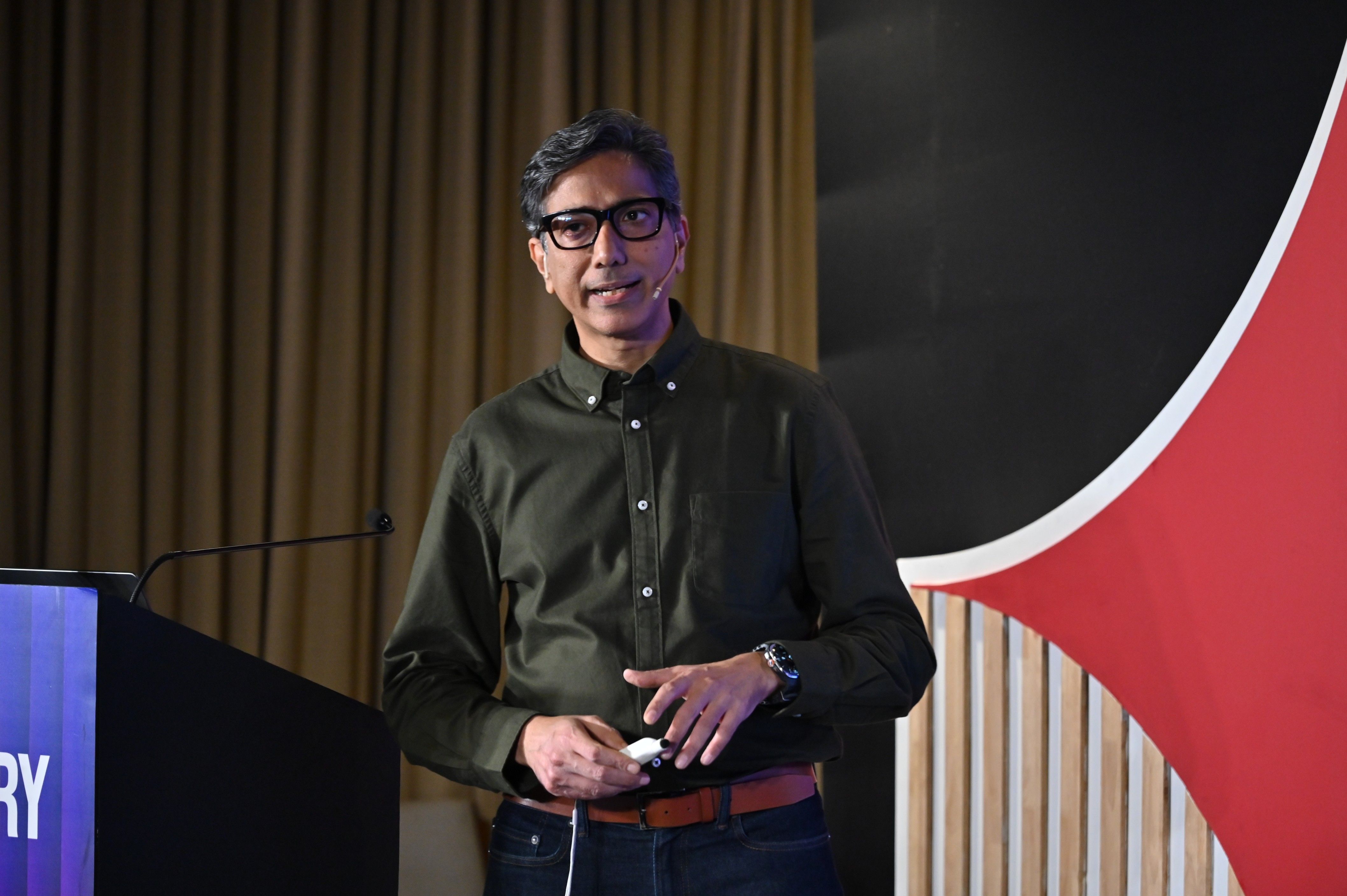
“An agent is nothing now but a model plus a harness,” said Shewani, Head of AI Customer Engineering for Digital Natives, Startups and ITeS at Google Cloud, at TechSparks 2026.
In a masterclass titled ‘Gemini in action’, Shewani promised a look at what is happening rather than a sales pitch. He covered where businesses are putting AI to work, how voice is becoming an interface, the tools Google uses to build its own software, and the questions organisations need to answer as agents become everyday users of their systems.
Shewani said organizations are no longer just discussing AI but executing in five broad areas.
For those traditional businesses, the worry is less about building models and more about whether employees can use AI in their daily jobs. They don’t need to be experts or developers, he said, but they do need to be fluent.
The three eras are cumulative, Shewani explained. Agents build on retrieval, and harnesses build on agents. AI is no longer an assistant that appears and disappears, but something closer to an autonomous colleague.
Source link