
Both have the same underlying tech, but console versions share more with the CPU.
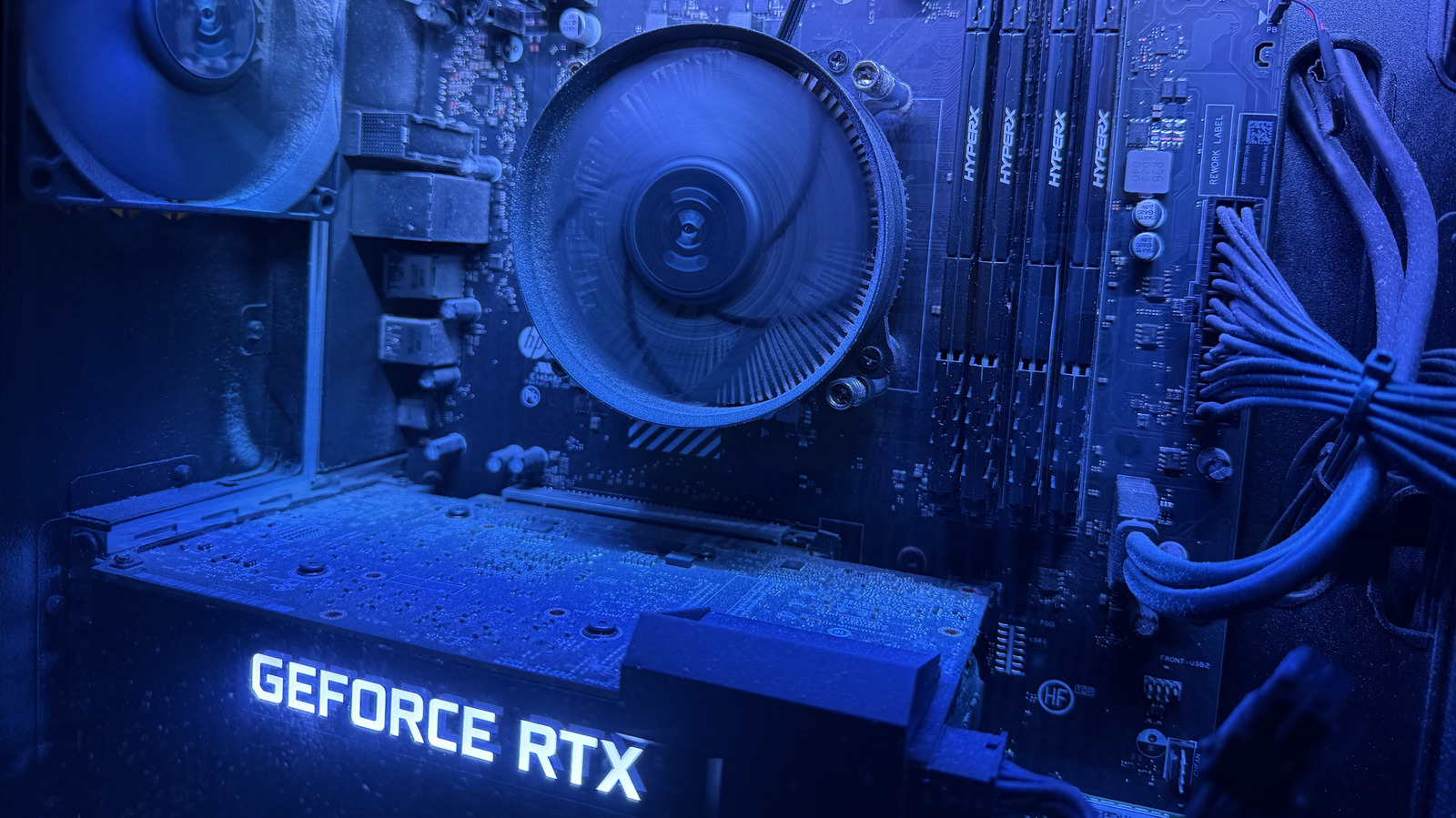
Take the side panel off a gaming PC and the graphics card is the first thing you'll see. It's a slab the size of a hardback book slotted into the motherboard with fans bolted to it. But open up a PlayStation 5 or Xbox Series X and you'll see nothing of the kind. Instead, beneath the heatsink sits an AMD chip doing the work of both processor and graphics card.
Both consoles draw their pictures via the same AMD Radeon technology found in PC graphics cards. The difference is that a console GPU shares one piece of silicon and one pool of memory with the CPU, whereas a gaming PC's GPU gets a card and memory to itself. Console GPUs are also bespoke components built to order for Sony and Microsoft, with every game written for that exact hardware. The closest PC card to the one inside a PS5 is arguably AMD's Radeon RX 6700, although how close depends on the game.
45 square millimeter piece of silicon called an Accelerated Processing Unit (APU), or a system on a chip (SoC). Compute units are the GPU's processing blocks, and graphics power scales up as you add more of them. In contrast, a PC splits those jobs between a processor and a separate GPU, which is why a PC owner can upgrade the GPU and a console owner can't.
Source link





