
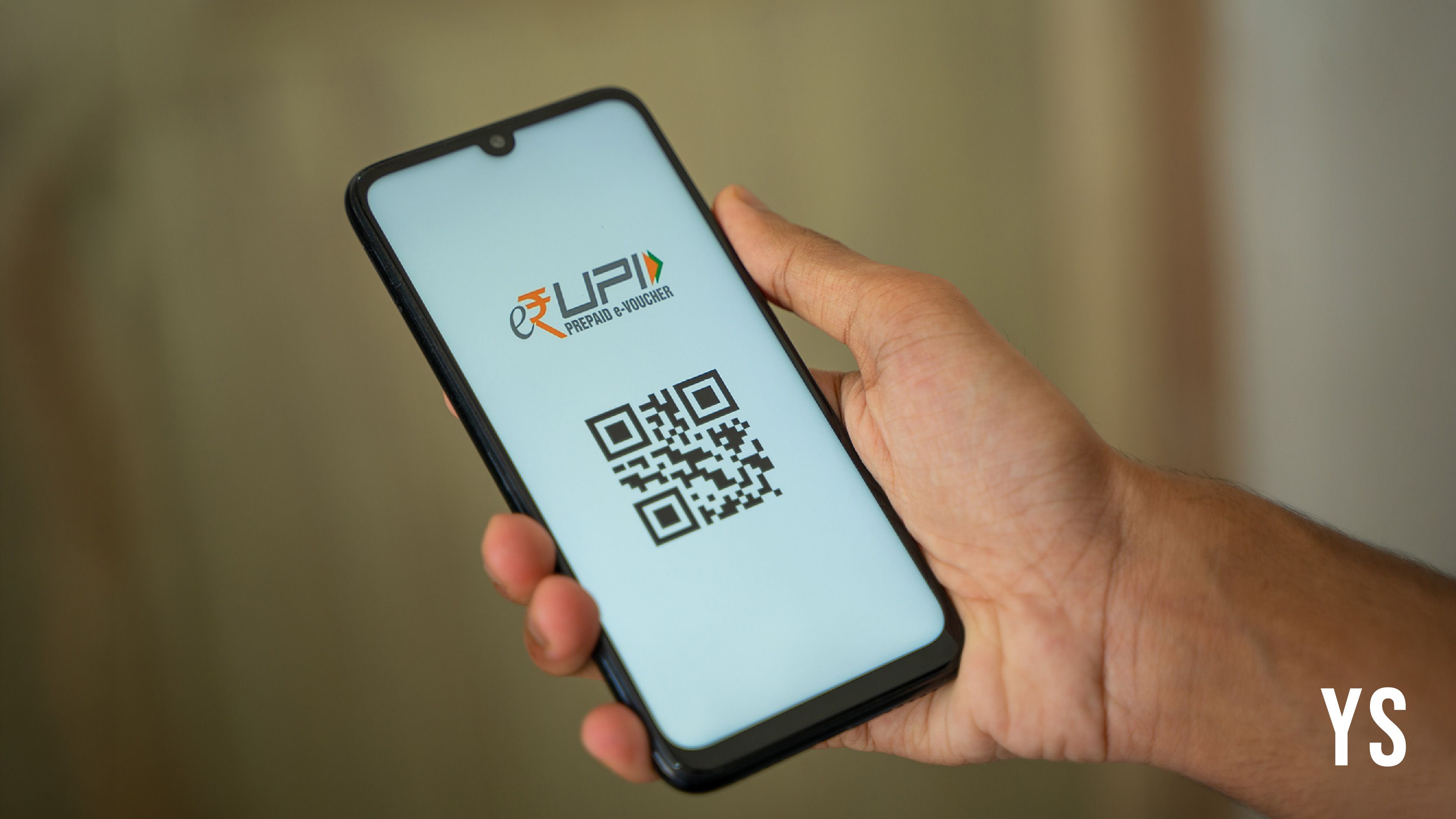
India’s financial infrastructure has spent the last decade making money move faster. The next decade could be about making financial assets move differently.
The scale of UPI is a useful starting point. In August 2026 alone, UPI processed over 24.5 billion transactions worth nearly Rs 29.8 lakh crore, according to NPCI. What made UPI transformative was not simply that payments became instant. It was that a common, interoperable rail allowed banks, fintechs and other participants to build services on top of it.
The next evolution of this infrastructure may extend beyond payments to the assets being bought, sold and settled.
Tokenisation essentially means creating a digital representation of an asset or financial claim on a programmable infrastructure. That asset could be a bond, a fund unit, a trade receivable, real estate or another real-world asset. The proposition is not merely to put an existing asset on a blockchain.
It is to reshape the legal foundations of how ownership, transfers, settlements and compliance can work when the asset and all of its rights and obligations themselves become digitally native, or as they say, on-chain.
The Reserve Bank has been exploring tokenised forms of money through the e-rupee and wholesale applications of central bank digital currency. More recently, the RBI has conceptualised a Unified Markets Interface, a next-generation financial market infrastructure with the capability to tokenise financial assets and settlements using wholesale CBDC. The RBI has also highlighted the potential of tokenisation to improve market efficiency.
Source link





