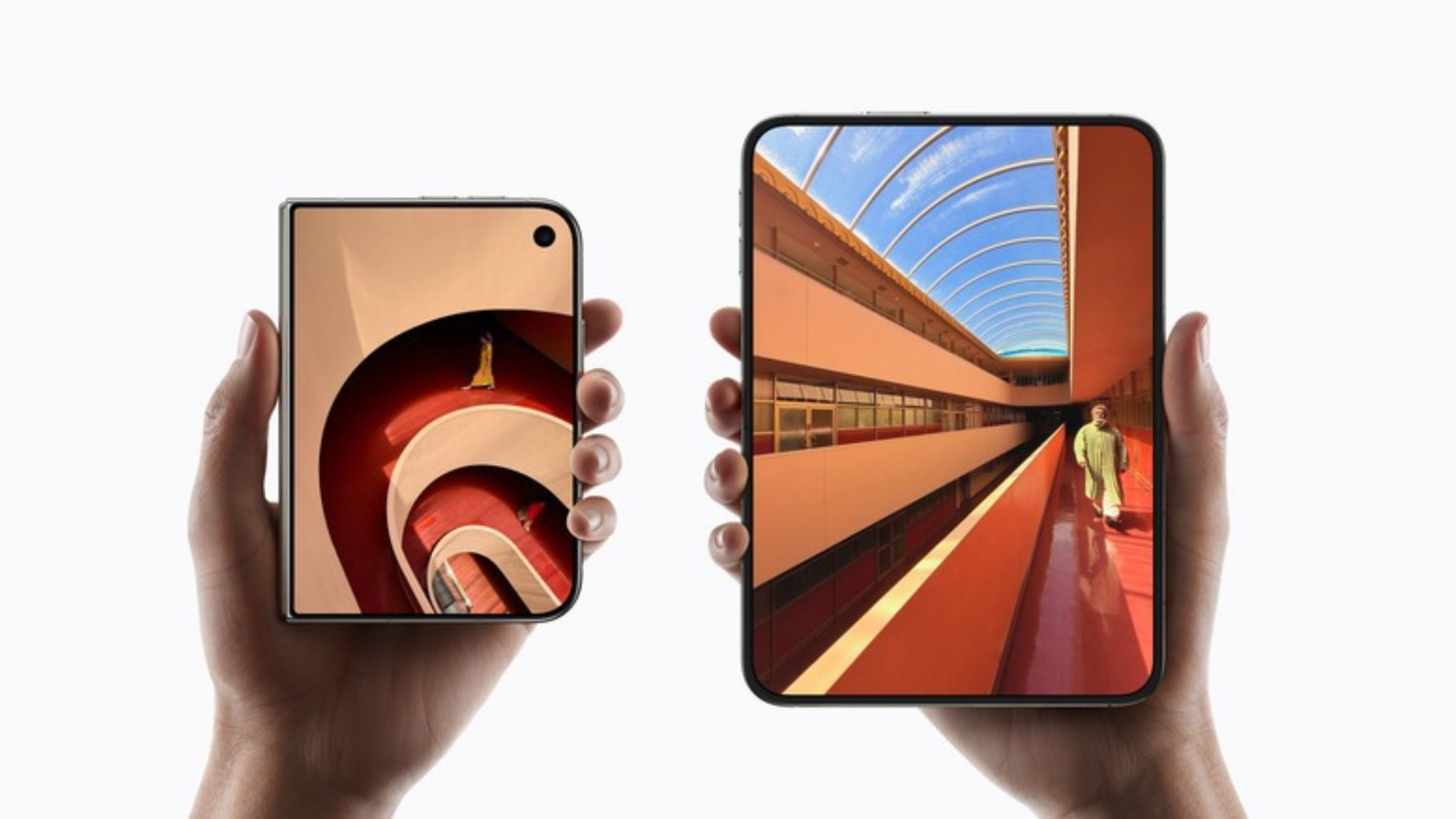
Technological advances often come with growing pains. This is no less true of phones. The 1984 "brick" phone (DynaTAC 8000X) required users to carry over 1.7 pounds of weight for only half an hour of talk time, at a hefty price tag of $3,995. Foldable phones are not so troublesome, but I still struggled to fit the Samsung Galaxy Z Fold 4 in my pocket when I first got it. What's more, the size of it kept prompting friends to ask why I was carrying two phones around. I wish I had been, for at least it would mean one would have a decent camera. Still, the moment when the phone unfolded and the screen adjusted to the larger size was as awe-inspiring back then as it is now.
Today, after having gotten my hands on some newer models, I have become very impressed by the lengths foldable technology has reached. Models including the Google Pixel 11 Pro Fold and the Samsung Galaxy Z Fold 8 have propelled the technology forward. Even Apple has decided to enter the market, with the iPhone Duo launch that has everyone talking. Suddenly, the future uptake of foldable phones is almost a certainty. Apple might well end up having everything to do with this change, but it would not have been possible without the long list of breakthroughs — and failures — that came before it.
" It was not, though those 12 months did provide the first meaningful strides in the technology. The first device of this type to make a splash in the headlines was designed by an unknown Chinese display manufacturer: Royole.
Source link