
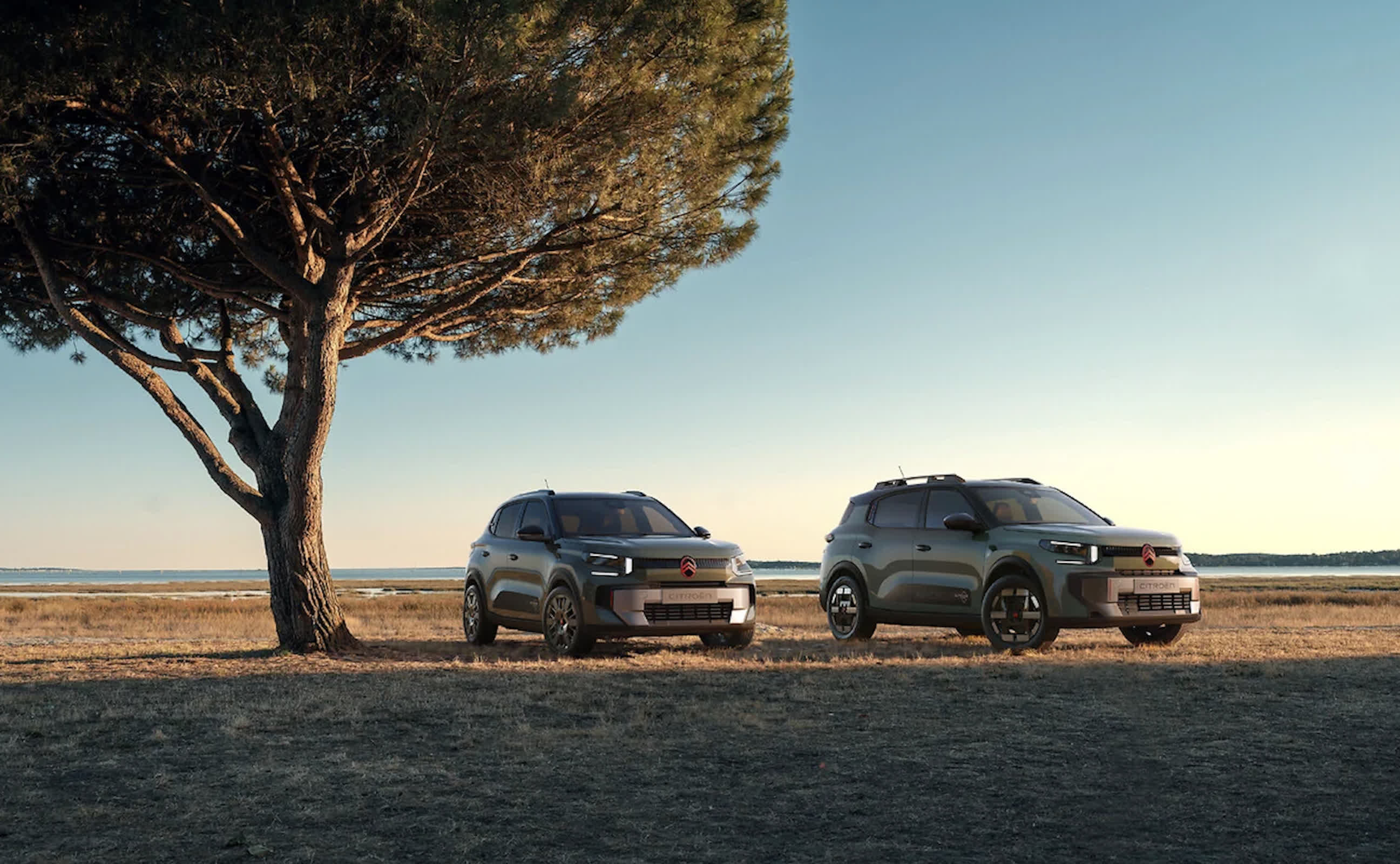
The big picture: A teenager in rural France can now drive an electric car to school that tops out at 45k m/h (28 mph) and requires no driving license. These vehicles, classified as motorized quadricycles or four-wheel mopeds, have moved from a niche for older rural drivers to a fast-growing electric segment, with teens as one of the main customer groups. The shift can be traced to one car, the Citroën Ami, and to EU rules that pushed mopeds and small scooters out of the market.
The quadricycle class sits between a moped and a conventional car, and its entry age varies by country. In France and Italy, a driver can start at 14 with a road safety certificate and eight hours of training. The minimum is 15 in Germany and Spain and 16 in the UK.
Those low barriers have fed steady growth. French registrations rose from about 13,000 in 2019 to around 25,000 last year, while European sales went from 30,000 to 60,000 over five years. Teenagers now account for a quarter of all minicar sales, a change tied to the Ami, which launched in 2020.
The powertrain has changed as much as the buyer. Marie-Laure Nivot, a market analyst at AAA Data, says the Ami's launch began a transformation of the sector, and that more than 67% of new license-free cars sold so far in 2026 are electric.
Regulation did part of the work. Mopeds and scooters had traditionally been the vehicles of choice for European teenagers, but stricter EU rules on motorized two-wheelers changed that.
Source link