

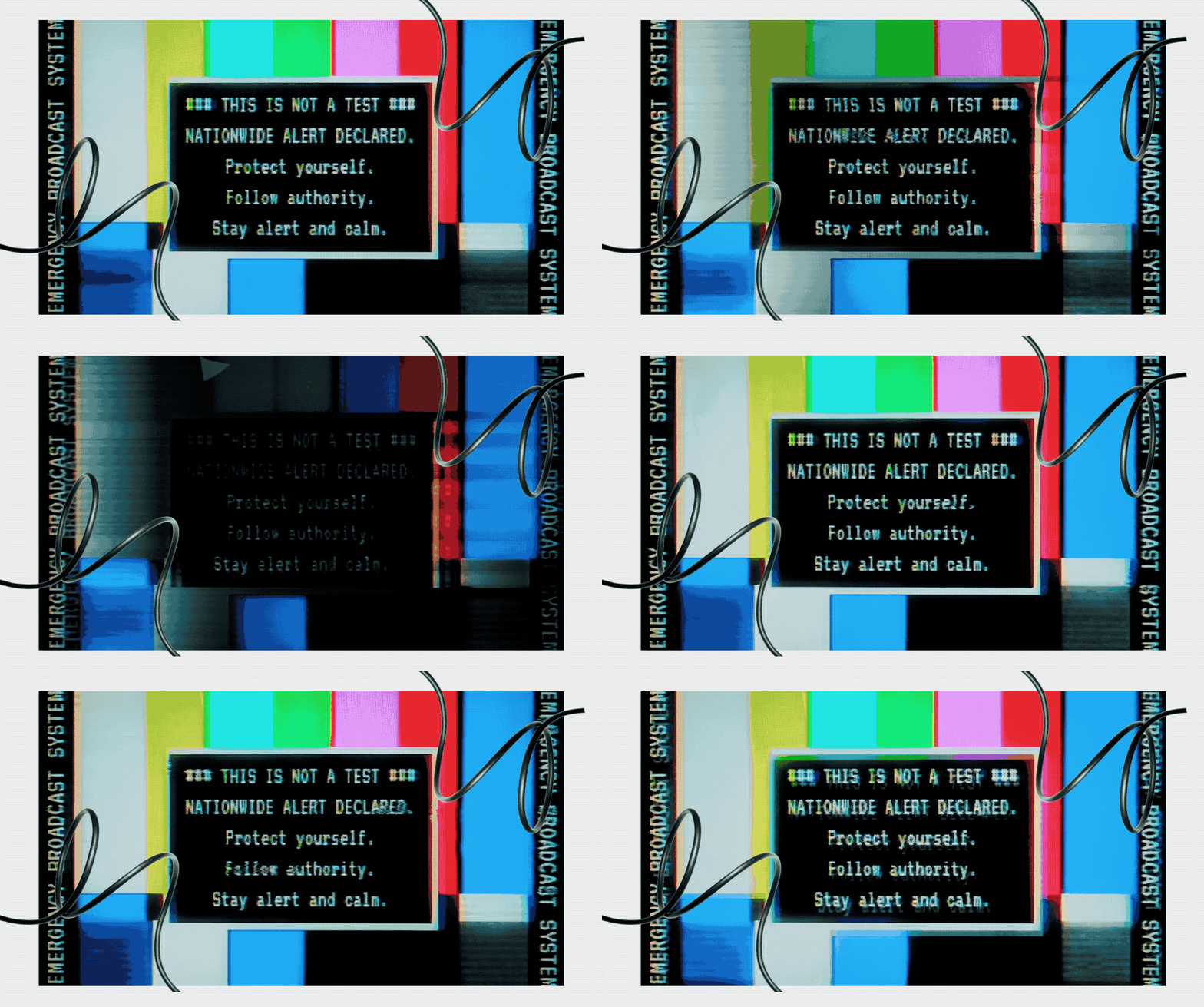
On Tuesday, countless TV viewers will find their favorite shows interrupted for a one-minute test of the Federal Emergency Management Agency’s Emergency Alert System (EAS). The test will cut into live broadcasts and cable reruns alike, and also be heard on radio stations across the country. However, anyone getting their TV fix from Netflix, Disney+, or any other streaming service likely won’t notice a thing.
That’s bad news, especially when the next real emergency happens. According to recent Nielsen data, U.S. consumers are already spending half their TV viewing time with digital video platforms like YouTube and Amazon Prime. In other words: Half of America’s TV viewers are missing out on emergency alerts because they’re watching online instead.
“It is vital that emergency alert systems adapt to changes in consumer technologies,” says University of Colorado Denver communications professor Hamilton Bean, an expert in public alert and warning systems. “Whether through streaming services, mobile devices, or IoT [Internet of Things], emergency alerts work best when they reach people where they are—at home, at work, or in public settings.”
The federal government first began testing emergency alerts in the 1950s to warn citizens of a possible Soviet nuclear attack. Federal alert systems have been modernized multiple times since those early days, including an expansion to mobile phones in 2012. But in recent years, regulators and emergency management officials have struggled to keep up with rapidly changing media consumption habits and shifts in the TV business.
Source link





