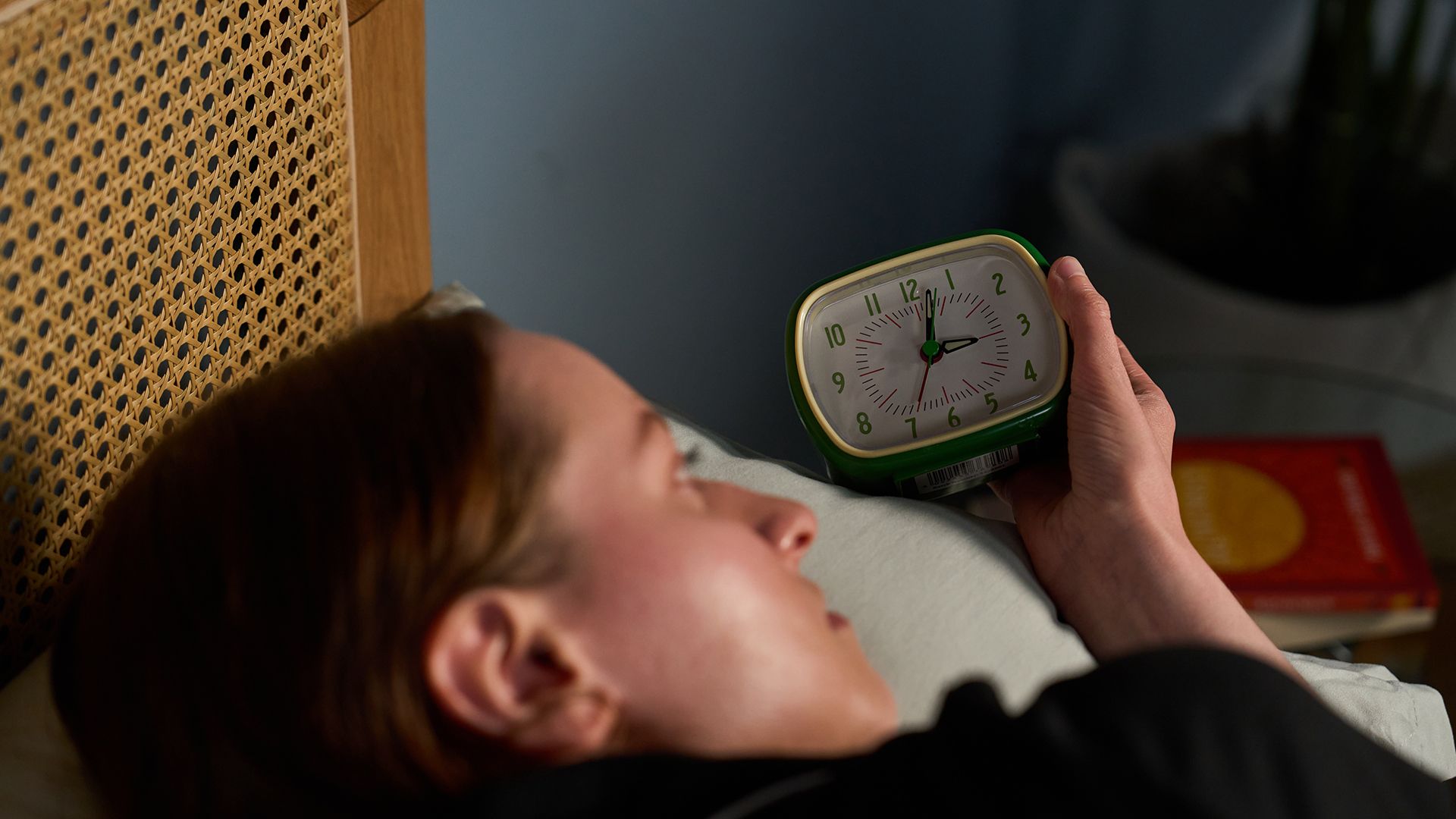
Has the time change this weekend knocked you for six? It's a common feeling, say sleep experts.
The best sunrise alarm clocks can be a game changer in your morning routine at this time of year, helping you wake up with tons of energy
You may have thought that extra hour in bed could help you pay back some of your sleep debt, but unfortunately, it's not that simple. Instead the clock change can throw off your circadian rhythm, making it harder to fall asleep and wake up on time for several days.
"While feeling exhausted after gaining an hour may seem paradoxical, it can happen when the body clock has not yet adjusted, causing some people to wake earlier than intended or experience disrupted sleep," explains board-certified physician Dr. Hanul Bhandari, who specialises in neurology and sleep medicine
Following the transition from British Summer Time (BST) to Greenwich Mean Time (GMT) this weekend, I've caught up with Dr. Bhandari and board-certified physician Dr. Robert Thompson to find out how we can minimise the impact the time change has on our sleep.
In a nutshell, your circadian rhythm is your 24-hour internal body clock that manages hormones in your sleep/wake cycle. That means it controls when your body releases melatonin, making you feel sleepy, and when it releases cortisol that makes you feel alert.
The circadian rhythm is largely influenced by light and temperature cues. Alongside sleep, it plays a key role in regulating mood, energy levels, and metabolism.
Source link