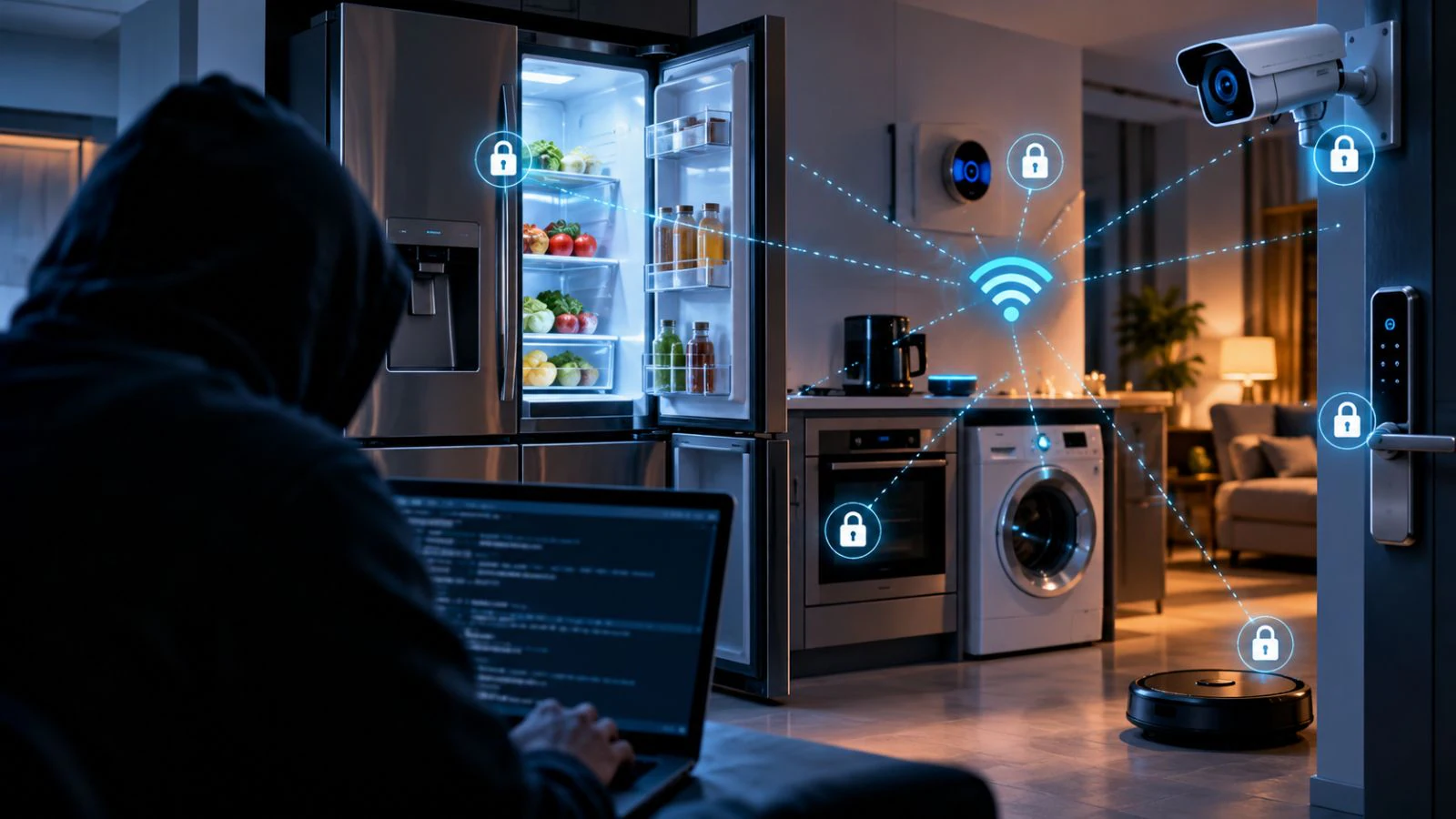
Hackers who sabotaged refrigeration systems at hundreds of French supermarkets exploited the growing connectivity of equipment that was once largely mechanical.
From refrigerators and heating systems to security cameras and alarm networks, an expanding range of devices can now be monitored and controlled remotely, creating new opportunities for cybercriminals.
In theory, yes. If a device is connected to the internet, directly or through an app, cloud service or home network, it can potentially be hacked.
In 2015, researchers demonstrated at a hacking conference in Las Vegas how a Samsung smart refrigerator could be compromised, allowing them to intercept some of the internet traffic passing through the device.
In many cases, attackers are more interested in stealing data, disrupting services or using connected devices as a gateway into a larger network.
The most common targets are devices connected to the internet and controlled remotely.
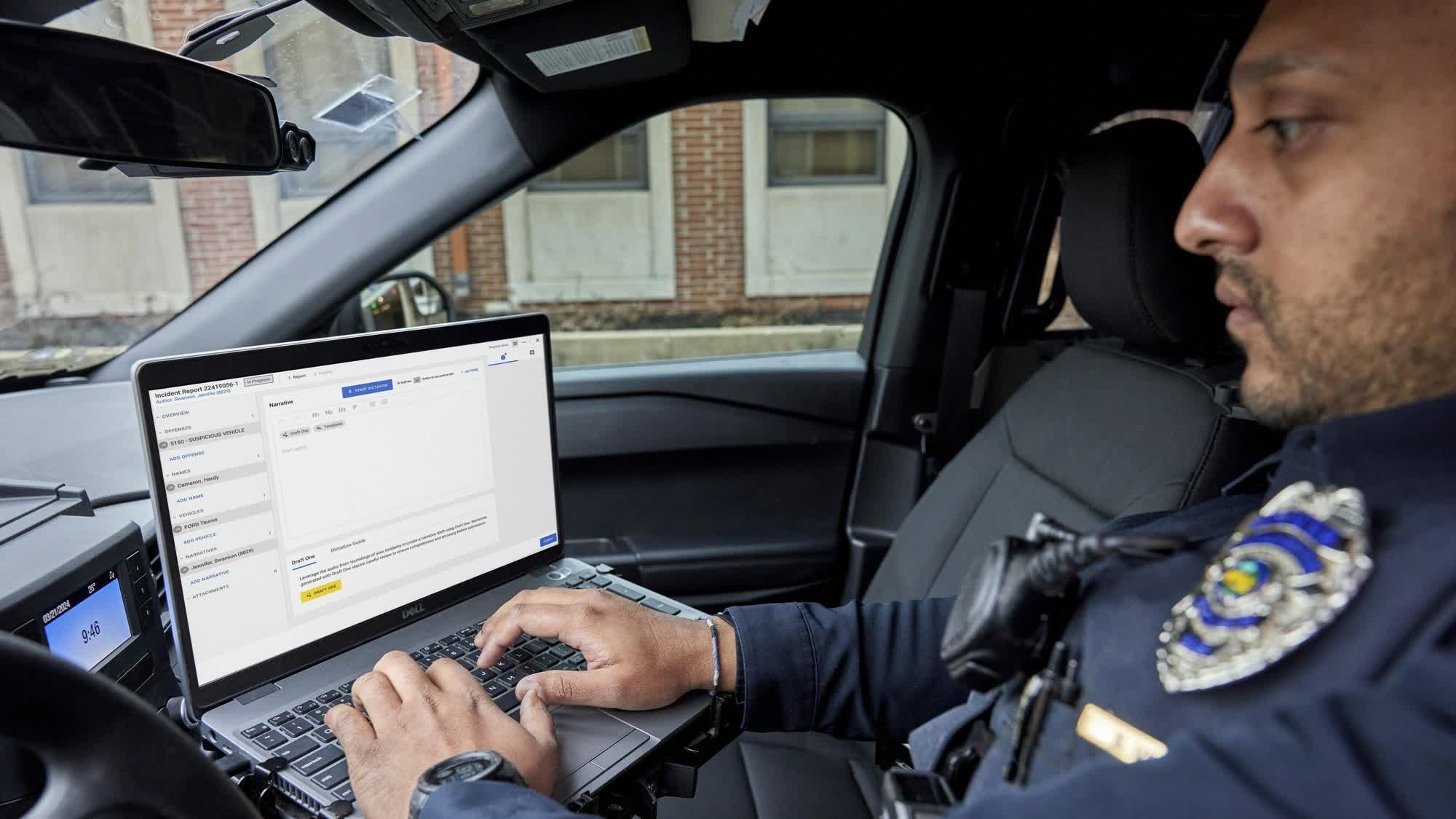
These include security cameras, video doorbells, alarm systems, smart locks, thermostats and central heating systems. Smart appliances such as refrigerators, ovens and washing machines can also be vulnerable if they are connected to the internet. Even some toothbrushes are now internet-connected.
Routers, rather than household appliances, account for more than three-quarters of all attacks on connected devices, according to security industry data.
The number of such devices has grown rapidly as manufacturers have added internet connectivity to products that were once entirely mechanical.
Once inside a device, a hacker can generally do one of two things: gather information or take control of the device.
A camera can reveal the inside of a home, a device with a microphone can pick up sound, and a compromised router can expose data travelling across the network.
Source link