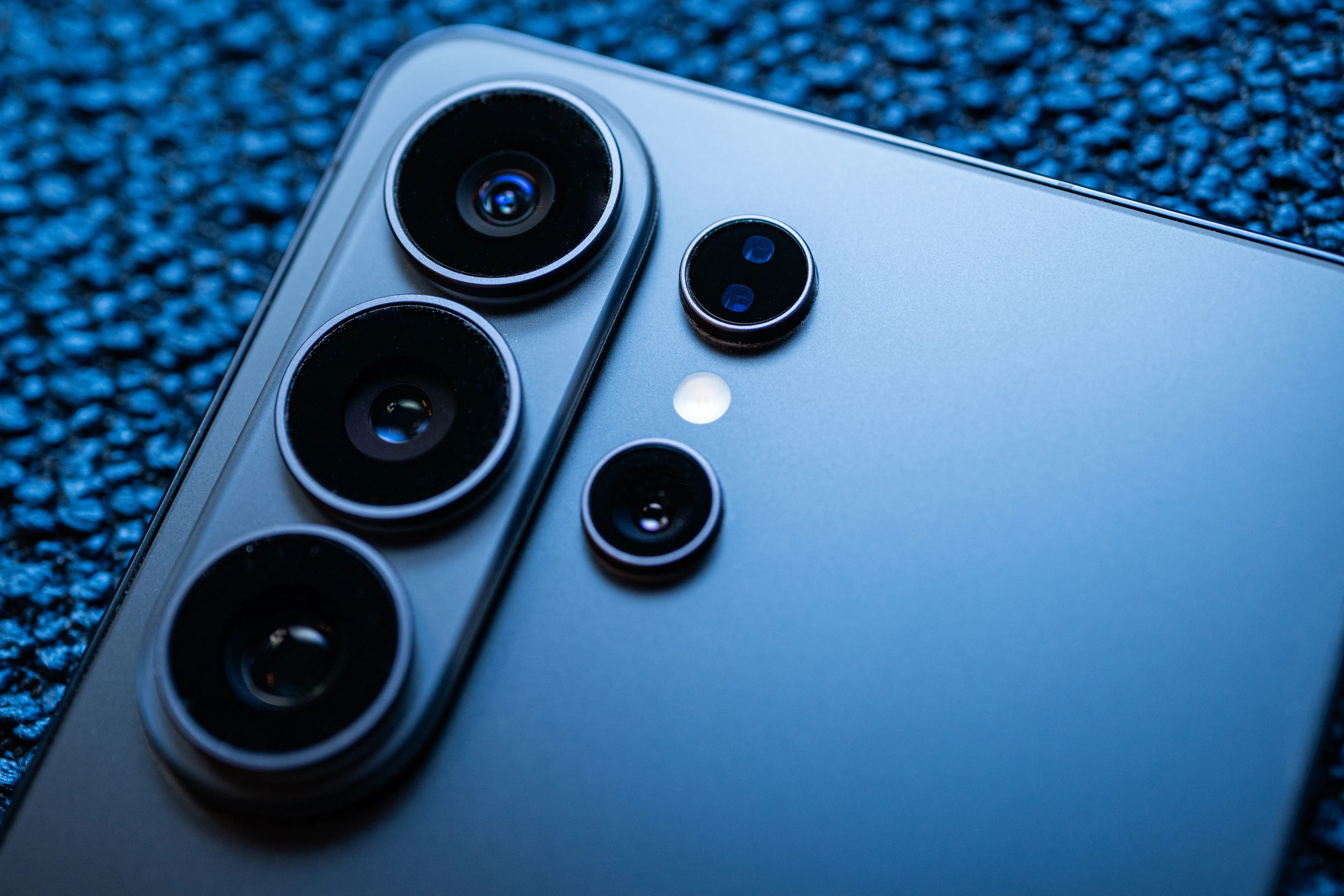
One of the most essential pieces of technology that makes your phone’s camera work was created in 1974, and it hasn’t changed much since.
When you snap a photo with your smartphone, the camera captures light and converts it into electrical signals to build a digital image. But the Bayer filter—a red, green, and blue layer that sits above the sensor and adds color to your images—absorbs and wastes around 60 percent of that light before it can reach the sensor. To make a red pixel, the filter blocks and throws away blue and green light.
Now, the Boston company Metalenz has acquired an Israeli startup called PxE Holographic Imaging, which has developed a new optical layer called a HoloCoder. This microscopic structure sits directly on top of the image sensor and diffracts light, bending the light waves rather than absorbing them.
With the HoloCoder redirecting the light waves toward the sensor’s pixels instead of blocking them, the camera sensor can collect up to a claimed 2.5 times more light. Such a leap in light-gathering ability could dramatically improve a smartphone's low-light photography and dynamic range.
There's a surprising secondary benefit too: HoloCoder technology can capture 3D depth information at the same time. Most smartphones use secondary cameras, dedicated depth sensors, or AI guesswork to figure out the distance between the camera and the subject in order to judge how much depth should be shown in features like portrait mode . By merging light sensing and depth sensing into one layer, the HoloCoder promises to simplify the electronics on the back of your smartphone, saving space and processing power.
Source link