
Around 250 million electric vehicles are expected to hit global roads by 2030. This is good, but at the same time, it also creates an impending wave of retired batteries that still hold massive untapped energy.
Testing those used power packs for a safe second life currently takes a 10 hours per unit. Plus, it costs roughly $120 and carries a real risk of triggering a chemical fire. A new $1.3 million partnership in Sydney is slashing that marathon diagnostic down to less than three minutes.
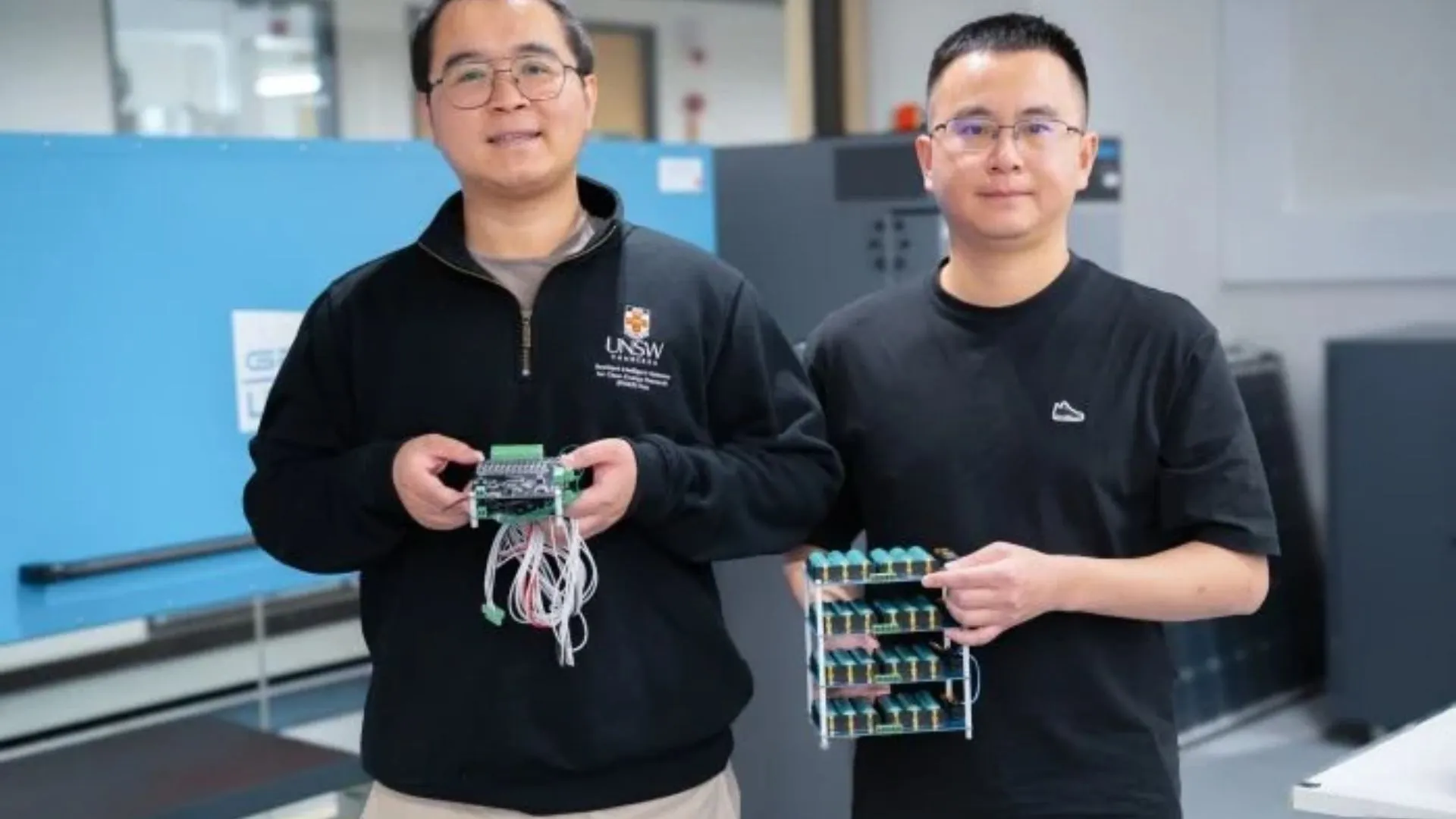
Researchers at UNSW Sydney have teamed up with battery recycling company DY New Energy to bring a rapid battery assessment platform out of the laboratory and onto the factory floor.
Supported by the Australian government’s Trailblazer for Recycling and Clean Energy (TRaCE) Lab to Market Fund, the technology replaces stressful full charge-discharge cycles with short, targeted electrical pulses. Statistical models then analyze how each cell responds, estimating battery health with over 90 percent accuracy, and keeping testing costs below $25 per pack.
Slow and expensive diagnostics often force operators to scrap viable batteries prematurely or dump them into landfill. Co-lead Associate Professor Huadong Mo pointed out a stark gap in the industry: up to 95 percent of a battery’s components are recoverable. But Australia currently collects only a tiny fraction of its lithium-ion cells for recycling.
“As more EVs reach the end of their first life, Australia has a real opportunity to build a local second-life battery industry, with retired batteries supporting grid and community energy storage.
Source link





