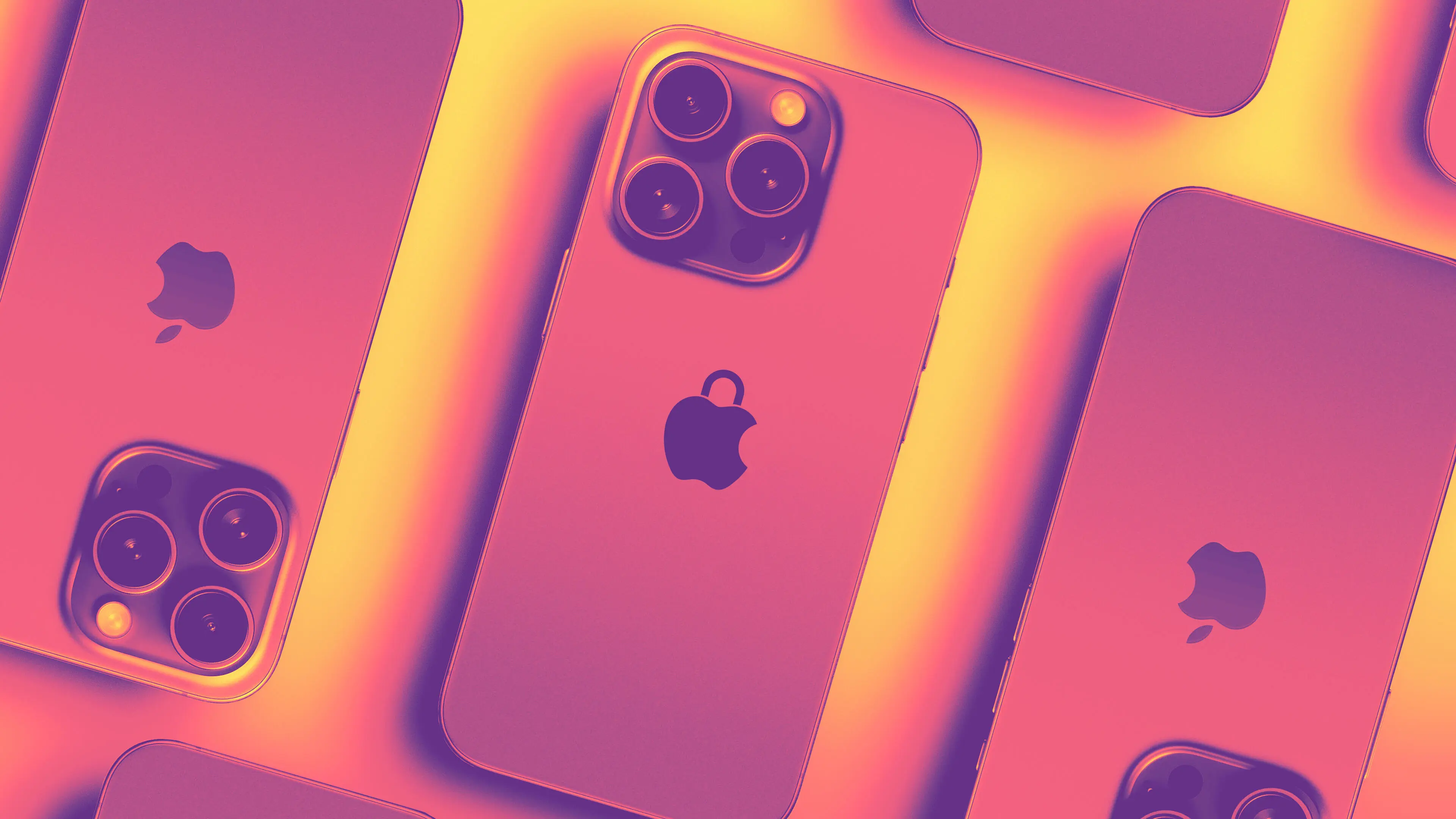
Impersonation Risk Detection uses on-device analysis and simple risk warnings to help protect you from scams.
When Apple released iOS 27 in September, everyone’s attention went to the new Siri AI, the splashiest feature of the new OS. However, Apple also introduced smaller features, such as Impersonation Risk Detection, which can help protect against certain scams that bypass traditional safeguards, including two-factor authentication.
The tool protects against active social engineering scams, which try to scoop up money or account information by posing as trusted entities, such as your bank or a government agency. Impersonation Risk Detection analyzes factors such as interaction patterns, timing and context to indicate one of three risk levels:
The analysis happens on-device, which means your personal data is never sent to Apple or the app you’re using. The app — not Apple — receives only the determined threat level and can decide any necessary actions to take. Based on the risk level, the app might show a warning, add a delay or ask you to verify your identity.
Here’s how to enable Impersonation Risk Detection for an extra layer of scam protection. But note that it’s only available in supported apps, so it won’t work with everything.
1. Open Settings.
2. Tap Privacy & Security.
3. Tap Impersonation Risk Detection.
4. Enable the Share with App Developers toggle.
After enabling or disabling this toggle, Apple notes it can take up to 24 hours for the feature to activate or deactivate. That delay serves as a barrier against scammers who might tell people to turn off the feature so they can keep their schemes moving.
Source link