

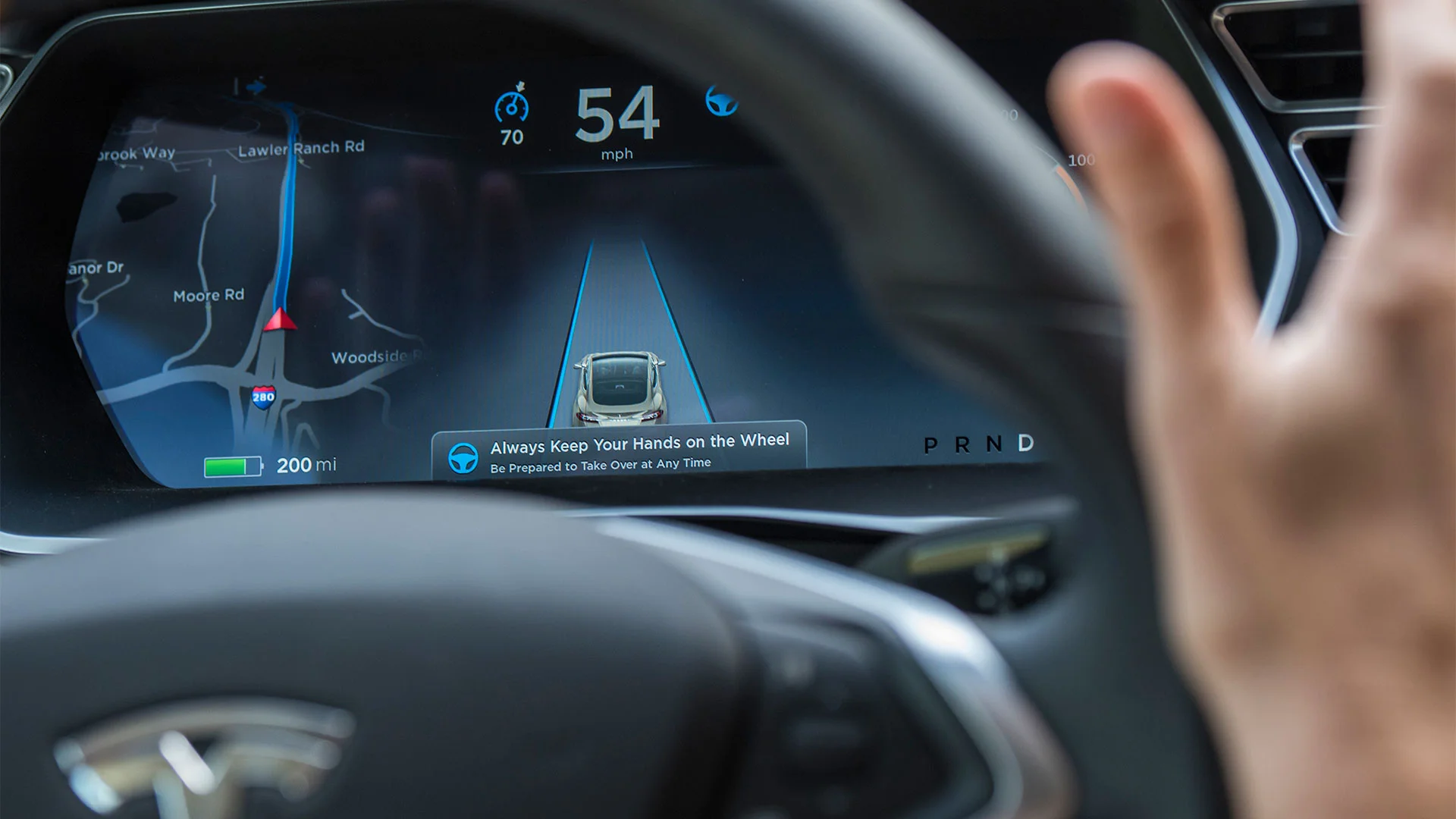
After retiring a few years ago, my parents moved into a wooded retirement community in North Carolina. One of their neighbors is a former physician, now in his 90s, who sensed that his reflexes had deteriorated. He no longer trusted himself behind the wheel, but he valued the independence that a car can provide.
His solution: Get a Tesla. He now relies on Full Self-Driving (Supervised), Tesla’s driver assistance system, to get around.
That decision is a dubious one at best. Tesla’s driver assistance system is just that: technology that can make the act of driving less onerous, but cannot replace it. A person operating Full Self-Driving (Supervised)—let’s call it FSD—must be able to intervene immediately if the system makes a mistake, which does happen. If not, their use of FSD endangers themselves along with everyone else on the road.
My parents’ neighbor is far from alone. A quick scan of Facebook or TikTok reveals numerous adults with declining health who depend on FSD to keep driving. And Tesla itself has amplified these narratives—despite officially claiming that drivers, not the company, are responsible for the vehicle while FSD is in operation. A post on X earlier this year featured a 71-year-old man who bought a Cybertruck “because my eyes are getting bad.” Tesla’s North America X account shared the clip with a one-word comment: “Freedom.”
Questions of whether and how older Americans can safely use driver assistance systems like FSD are devilishly tricky. But as the ranks of retired baby boomers expand, finding answers is increasingly urgent.
Source link





