

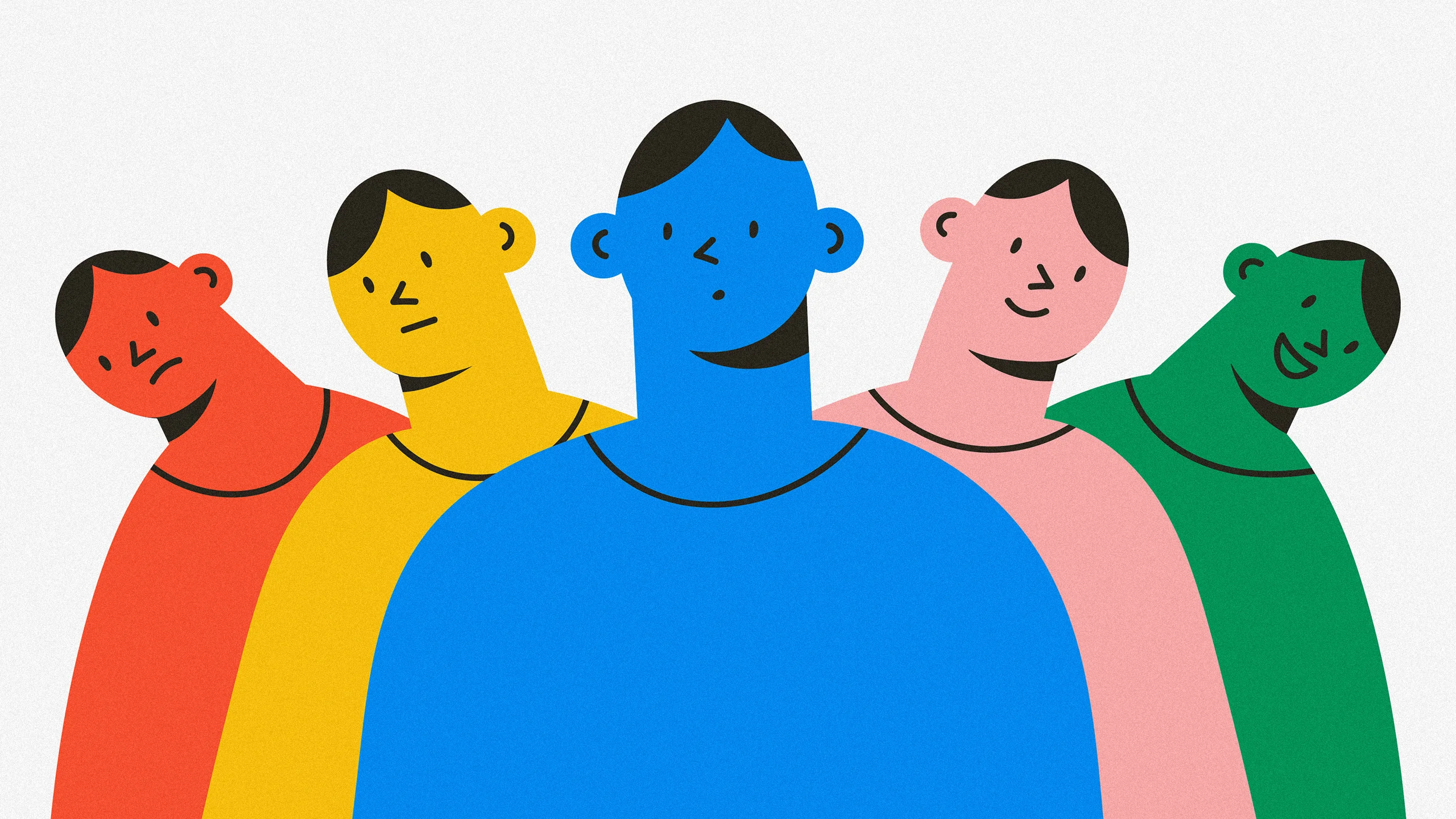
Personality is often misunderstood. For instance, people tend to think they are way more unpredictable and complex than they are according to others, to the point of mistakenly assuming that their “personality changes from one situation to the next”. In fact, everybody has a preferred pattern of reactions to different situations, and if you hang out with people long enough you will have no trouble predicting how they are likely to act in any given situation, or indeed understanding what makes them tick.
And yet, even if humans are predictable, that doesn’t mean that they are rigid or unable to flex according to the demands of the situation. One of the earliest findings in psychology is that behavior is always a function of both the person and the situation, which means that in order to predict how people will act you must take into account not just who they are but also what the situational requirements are.
At the micro -level, this explains why personality may be “suppressed” or inhibited in strong situations, that is contexts where there is a great deal of pressure to behave in a specific way or form: from a church (quiet, respectful, pensative) to a nightclub (loud, extraverted, energetic), to a lecture (focused, pensative, attentive), to a soccer game (depending on where you are, anywhere from excited and energized to aggressive and stressed). That is not to say that people stop being who they are when they are required to inhibit their personality; but rather, that personality becomes a weaker predictor of behavior when the strength of the situation temporarily eclipses it.
Source link





