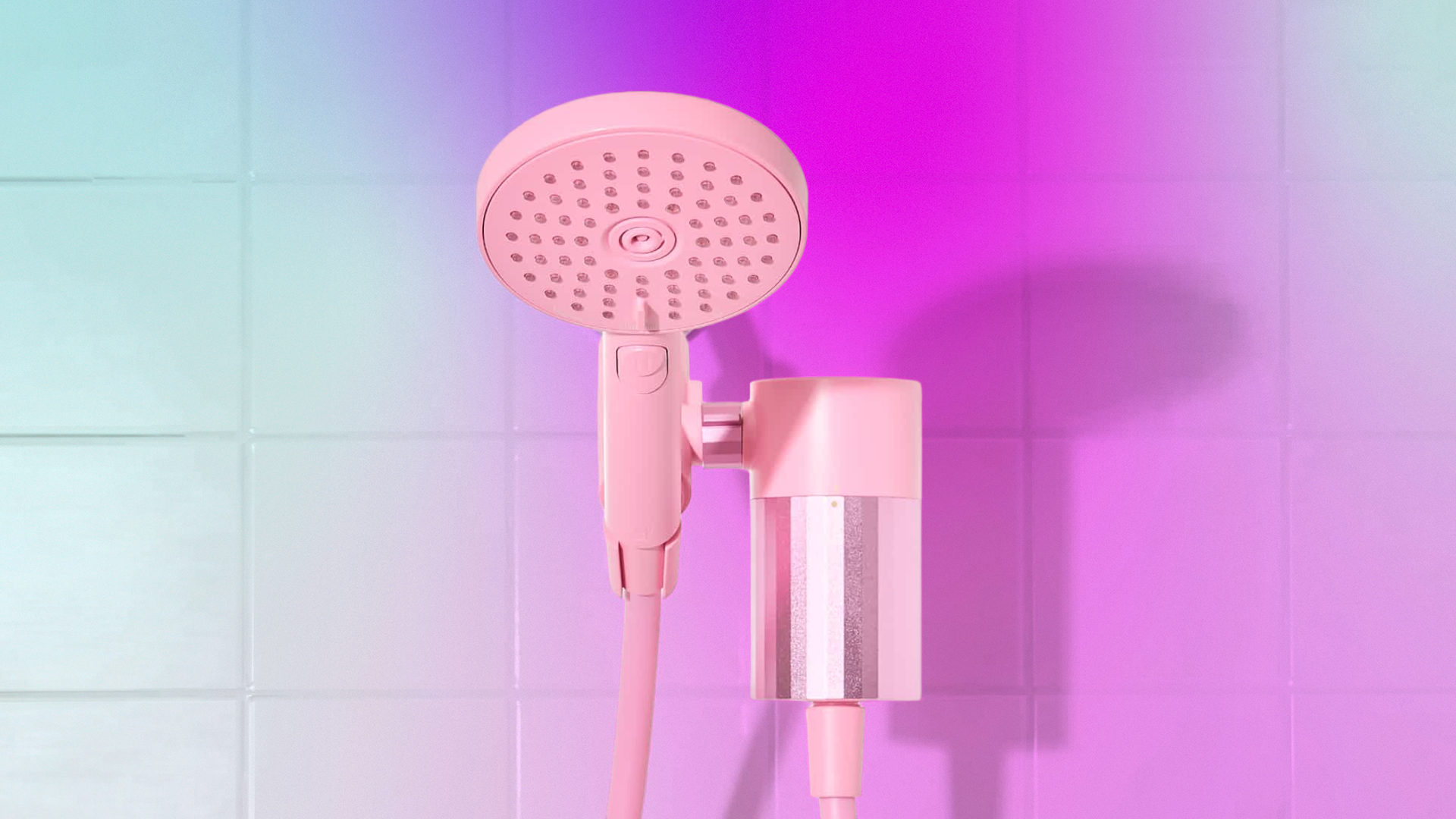
As someone who has been fed countless ads for filtered showerheads, I’ve always wondered what they actually do.
“Filtered showerheads work by using a filtration system to remove certain contaminants or minerals from the water before it reaches the skin and hair,” Dr. Marisa Garshick, a board-certified dermatologist in NYC and Englewood, NJ, and a clinical assistant professor of dermatology at Weill Cornell Medicine, told CNET.
But are filtered showerheads actually necessary, and do they have any real benefits? I already have a filter for the water I drink — do I need one for the water in my shower, too?
It all depends on the type of filter, as different filters are designed to remove different contaminants, such as chlorine or certain metals.
“Water runs through a small cartridge before it reaches you, and the material inside reacts with the chlorine and pulls it out,” Dr. Geeta Yadav, a board-certified dermatologist and founder of Facet Dermatology, told CNET. “Most use a copper and zinc blend or a form of vitamin C to do that, and some add a layer of carbon to catch odors and a bit of grit.”
In short, a filtered showerhead treats the water before it hits your skin and hair.
Most filtered showerheads are designed to remove chlorine and specific heavy metals.
Why chlorine? “Chlorine can be drying and irritating to both the skin and hair and filtering it out may help improve dryness, scalp irritation and hair health,” said Garshick.
Source link