

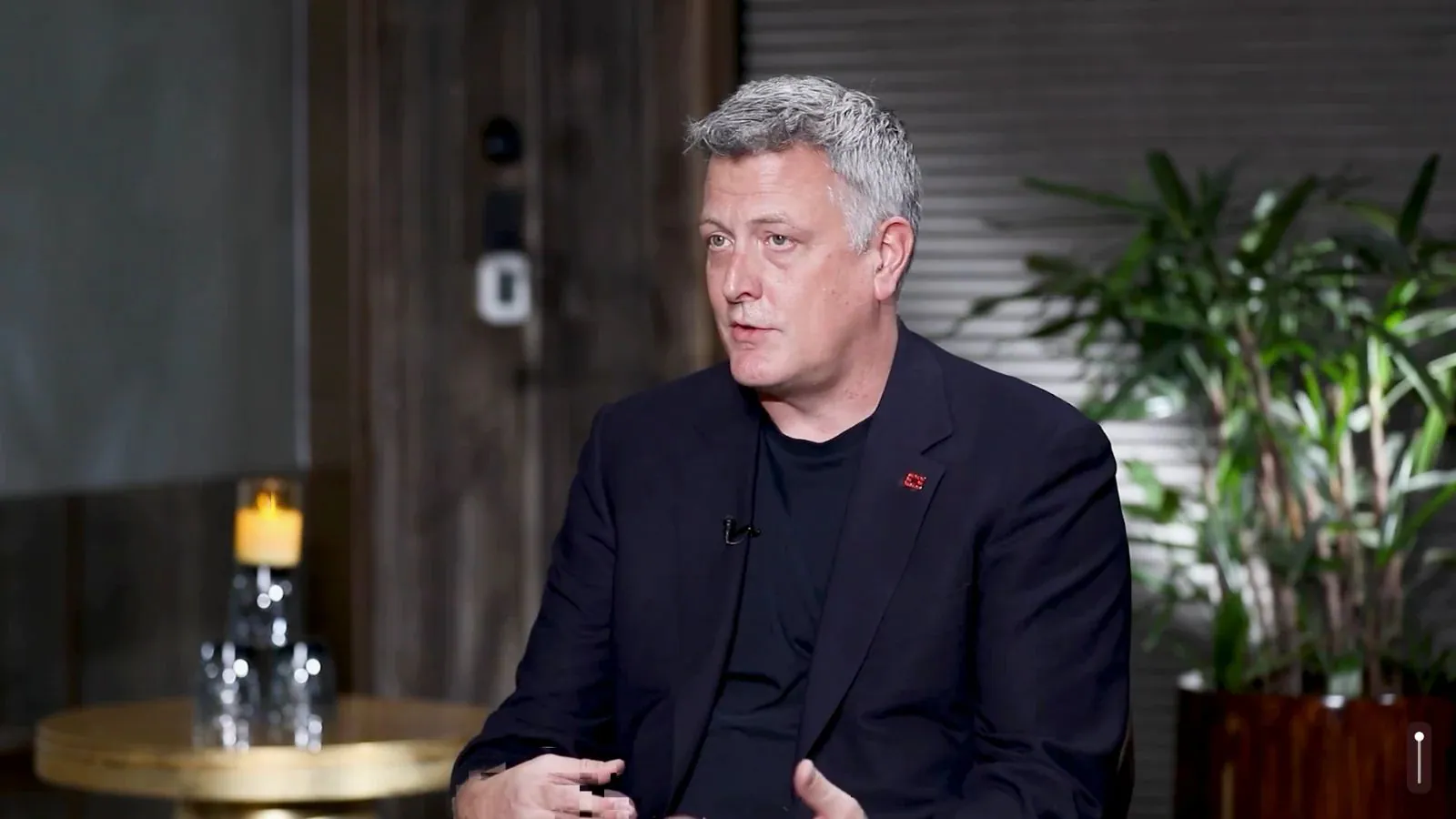
As artificial intelligence integrates deeply into modern enterprise operations, the demands placed on data centres and cloud networks are undergoing a fundamental transformation. Organisations are scaling their computational capabilities at an unprecedented rate to stay competitive. This rapid adoption raises critical concerns regarding the protection of sensitive information and underlying operating models. Cyber attackers are leveraging advanced algorithms to operate with significantly greater speed. Corporate defenses must evolve proportionately to keep pace with these emerging threats. A recent discussion presented by Fortinet and CNBC-TV18 titled Defenders of Digital Bharat explored the complex infrastructure supporting these technologies. The session highlighted the core requirements for building resilient systems in India. Robert May, Executive Vice President for Technology and Product Management at Fortinet, shared vital insights into this structural shift. Drawing on more than two decades of experience in technology and product development, May outlined how security architectures need to evolve to support increasingly AI-driven enterprises.
The rapid deployment of automated tools is fundamentally altering the enterprise nervous system. As organisations adopt AI applications and increasingly autonomous software agents, security teams face new challenges in maintaining visibility into how these technologies are being used, what information they can access and where that data is going. The pace of adoption is often faster than organisations' ability to assess and manage the associated risks. Software-as-a-service platforms have multiplied rapidly to create unforeseen vulnerabilities. As AI introduces new applications, workloads and data flows, security architectures must evolve to provide consistent visibility and protection across increasingly complex environments.
Source link





