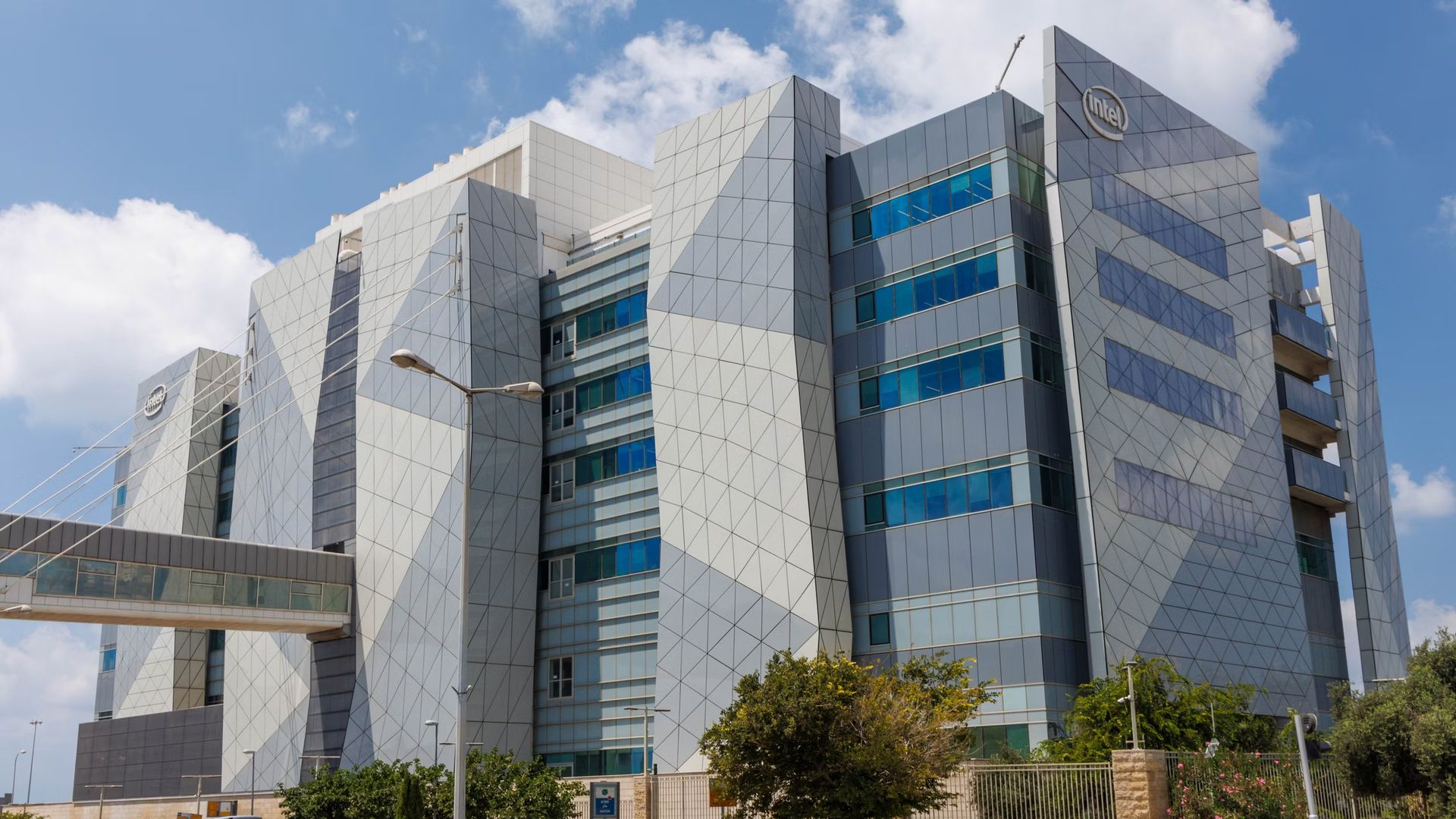
The explosion at Intel's Fab 28 near Kiryat Gat, Israel, that happened earlier this month forced Intel to shut down the whole facility for two weeks, and now the company expects that it will cost it approximately $600 million in lost revenue over two quarters. The disruption is expected to affect server processors manufactured using Intel's 10nm-class process technologies and will reduce the company's shipments in both the fourth quarter of 2026 and the first quarter of 2027.
"In Israel, we have been shut down for about two weeks," said Dave Zinsner, chief financial officer of Intel, during the company's earnings call. "We feel like we are going to be starting up production here by the end of this week."
The explosion occurred in mid-October, killed two, seriously injured one, and caused an extended shutdown of Fab 28, one of Intel's key manufacturing facilities for chips produced using its 10nm-class and Intel 7 process technologies (Intel 7 was formerly called 10nm Enhanced SuperFin). Intel expects the incident to reduce its Q4 2026 revenue by approximately $300 million, and a similar impact is anticipated in Q1 2027. The company also expects the accident to reduce its fourth-quarter non-GAAP gross margin by approximately 2%.
Intel has not identified the affected Xeon processor families, disclosed the number of wafers damaged, or specified when Fab 28 will return to full production capacity after it restarts this Friday.
Although Intel's latest Xeon 6 processors use compute dies produced on Intel 3 fabrication technology, they still use I/O dies fabricated on Intel 7 (aka 10nm ESF) fabrication process.
Source link