

Over decades of research, scientists have built up a partial picture of what specialized cells within the brain and spinal cord do. By studying how the brain develops, they could identify genes that were active in different populations of neurons and where in the brain those neurons resided. In some cases, these genes could then be used to genetically delete the neurons, allowing us to get some indication of what they might be doing, building on the information we've obtained from studies of brains with damaged regions.
But this approach has its limits. The brain is flexible enough to potentially adapt to the loss of some cells, and their loss early in development may alter the development of any neurons they would have normally formed connections with. It would be far more informative to activate and shut down the neurons in an otherwise intact brain.
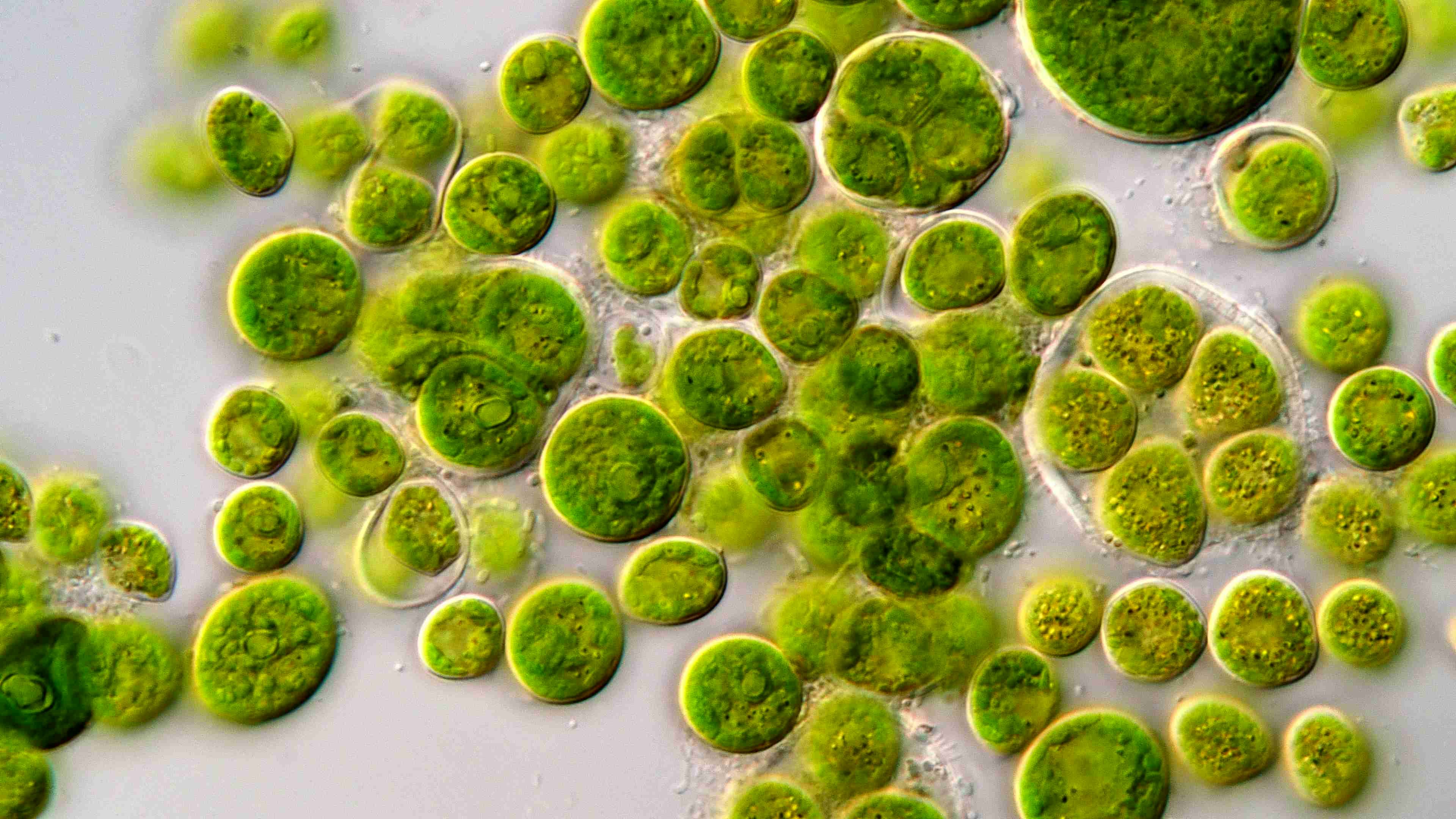
Today's Nobel Prize in Physiology or Medicine rewards three people—Karl Deisseroth, Peter Hegemann and Georg Nagel—who developed our ability to do precisely that. Starting from studies of single-celled algae that are attracted to light, these and many other researchers built an entire field of study that we now call optogenetics: using light to alter the behavior of nerve cells marked by the activity of individual genes.
Source link





