
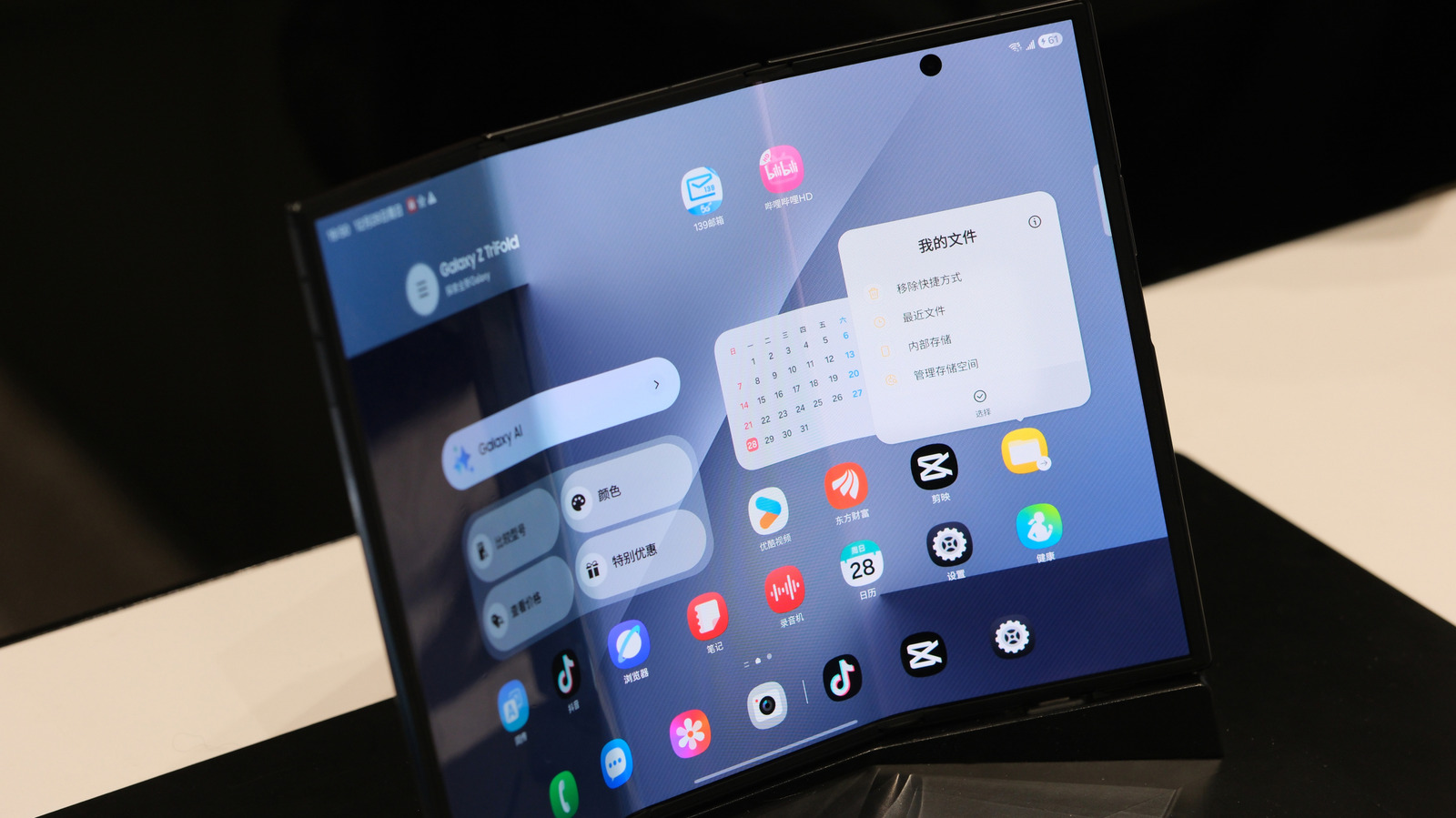
Your phone can fold in half, but your keys shouldn’t join it.
The most common mistake you should avoid when using foldable phones is dropping them. But that's common knowledge and doesn't make for a very exciting discussion. You're probably thinking about the inside foldable screen, where the most common way to damage it is closing it on something that shouldn't be there. Samsung's foldable care page warns that cards, coins or keys can scratch or even puncture a Galaxy foldable's inner display.
That seems straightforward enough; just make sure your car keys aren't sitting on top of your phone when you try to close it. But if you work a particularly dirty job or live near the beach, that complicates matters. You can't always spot dirt easily, and beach sand will find its way into absolutely anything.
Keep in mind that not all foldables are on equal footing. Some foldable screens are a bit softer and weaker than others. The Galaxy Z Fold8 and Fold8 Ultra, for instance, have an IP48 rating, whereas the new iPhone Duo boasts an IP68. The first digit describes the degree of protection against solid objects; a 4 means objects 1mm thick or larger can't enter, while 6 indicates a dust-tight device.
A foldable's inner screen is far from a conventional slab-phone display. It has to fold, after all, so don't assume you can press on it as firmly as you would on a standard phone's outer glass. That includes actions you've probably done without thinking, like scratching a speck from the screen with your nail.
Source link





